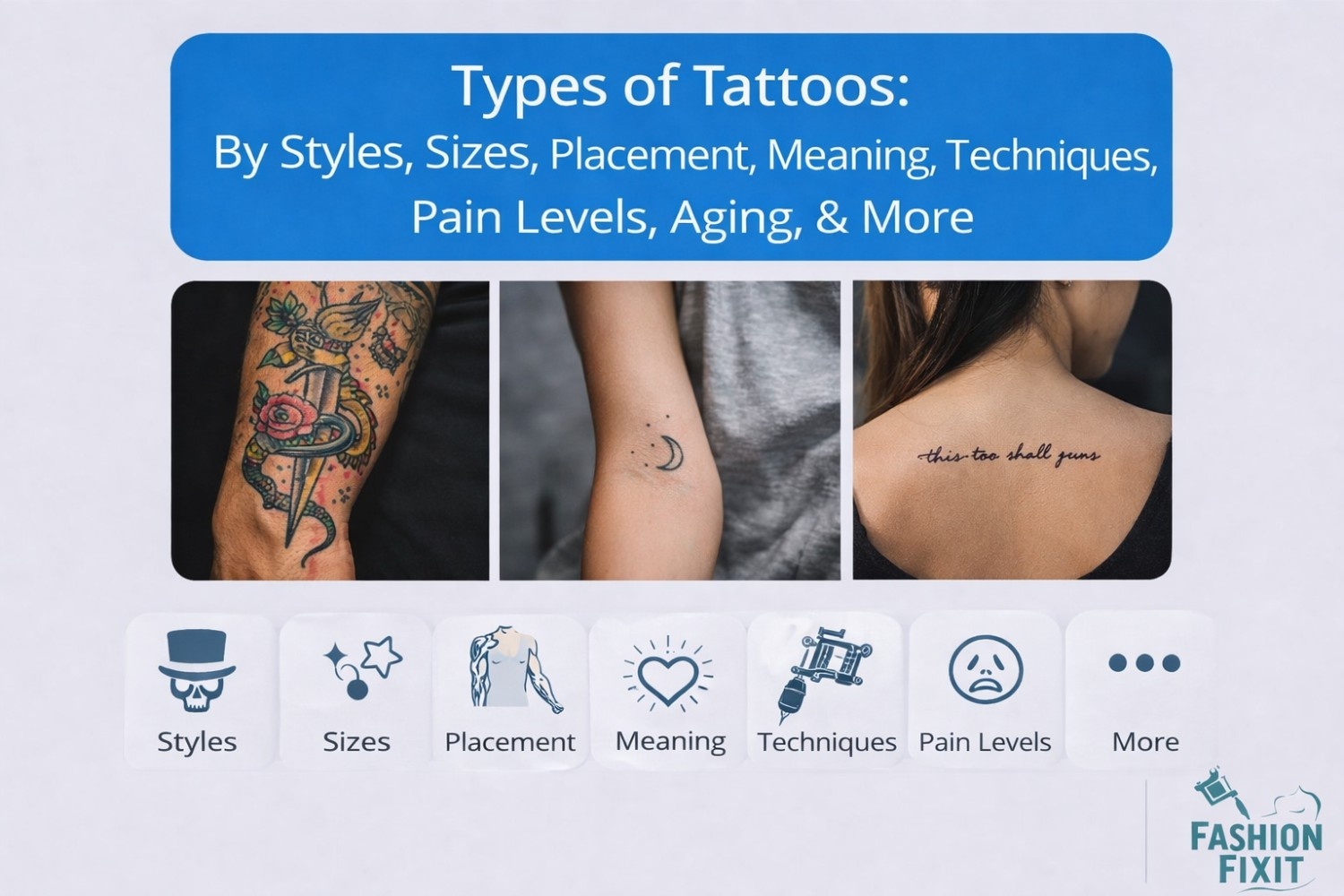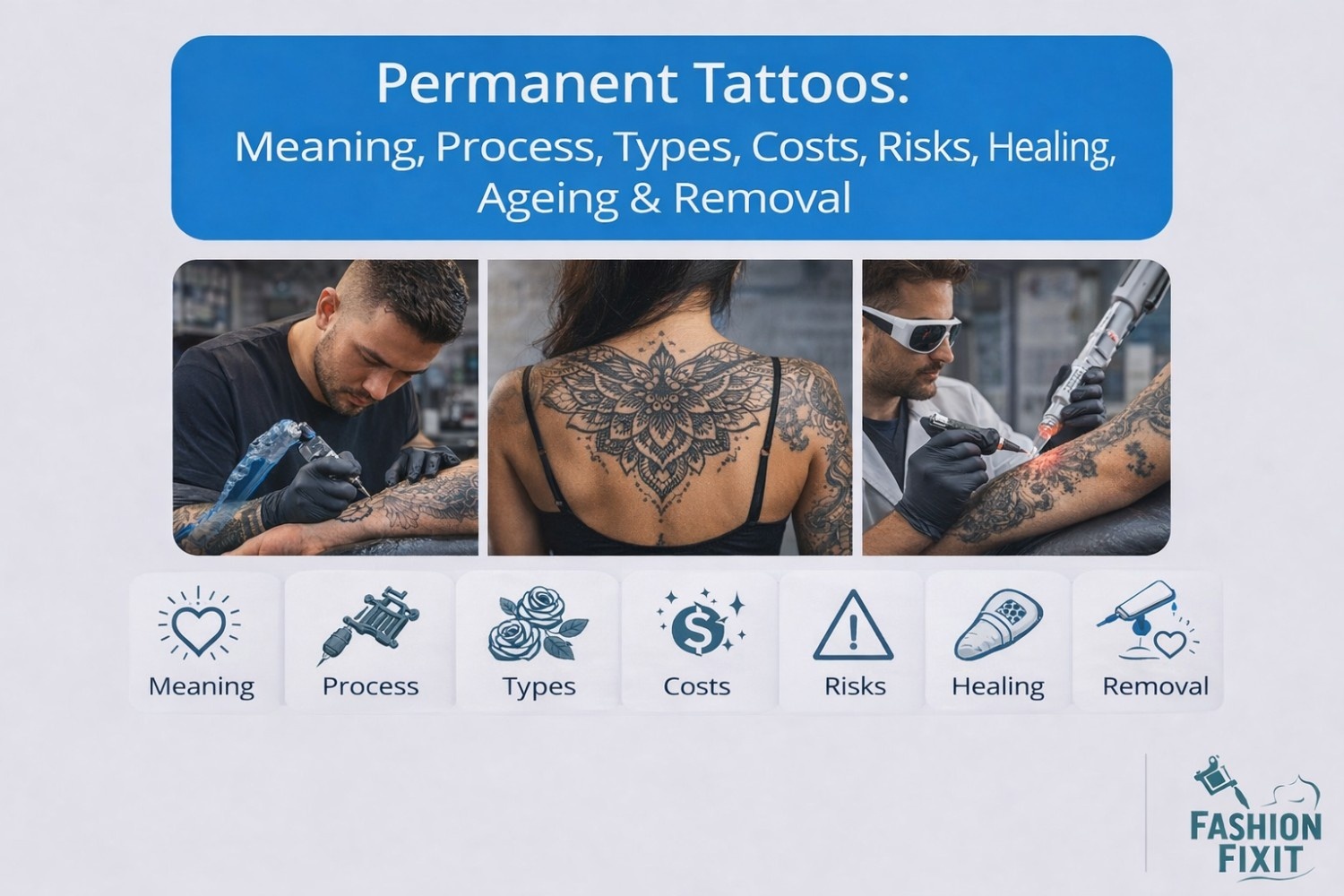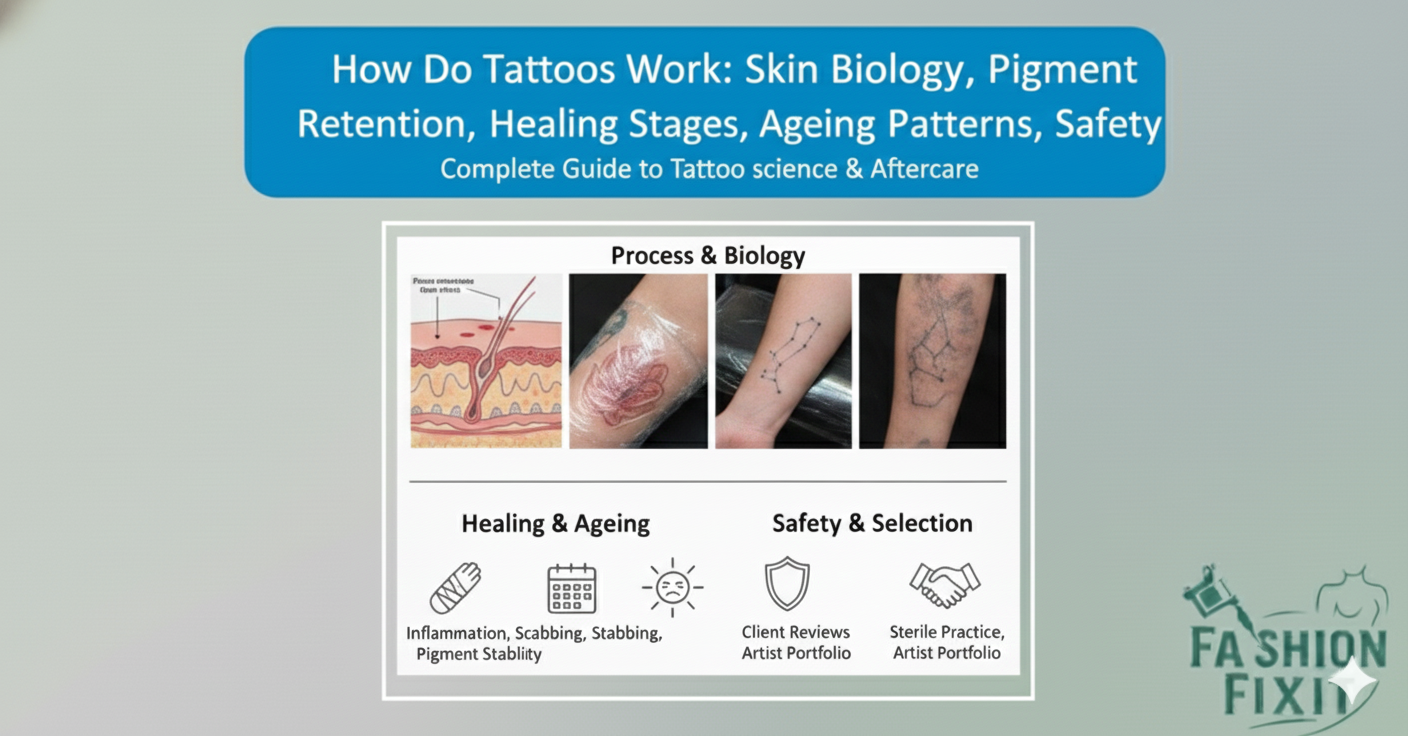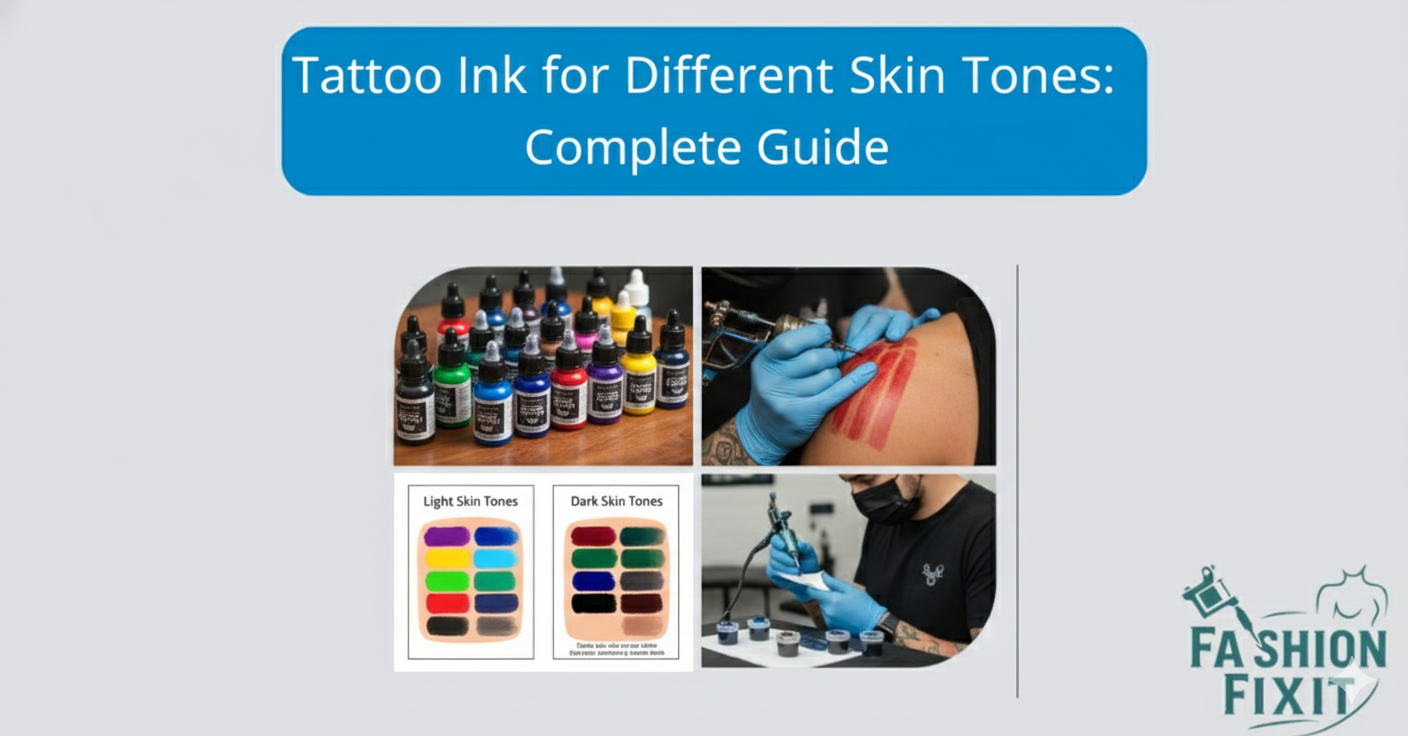

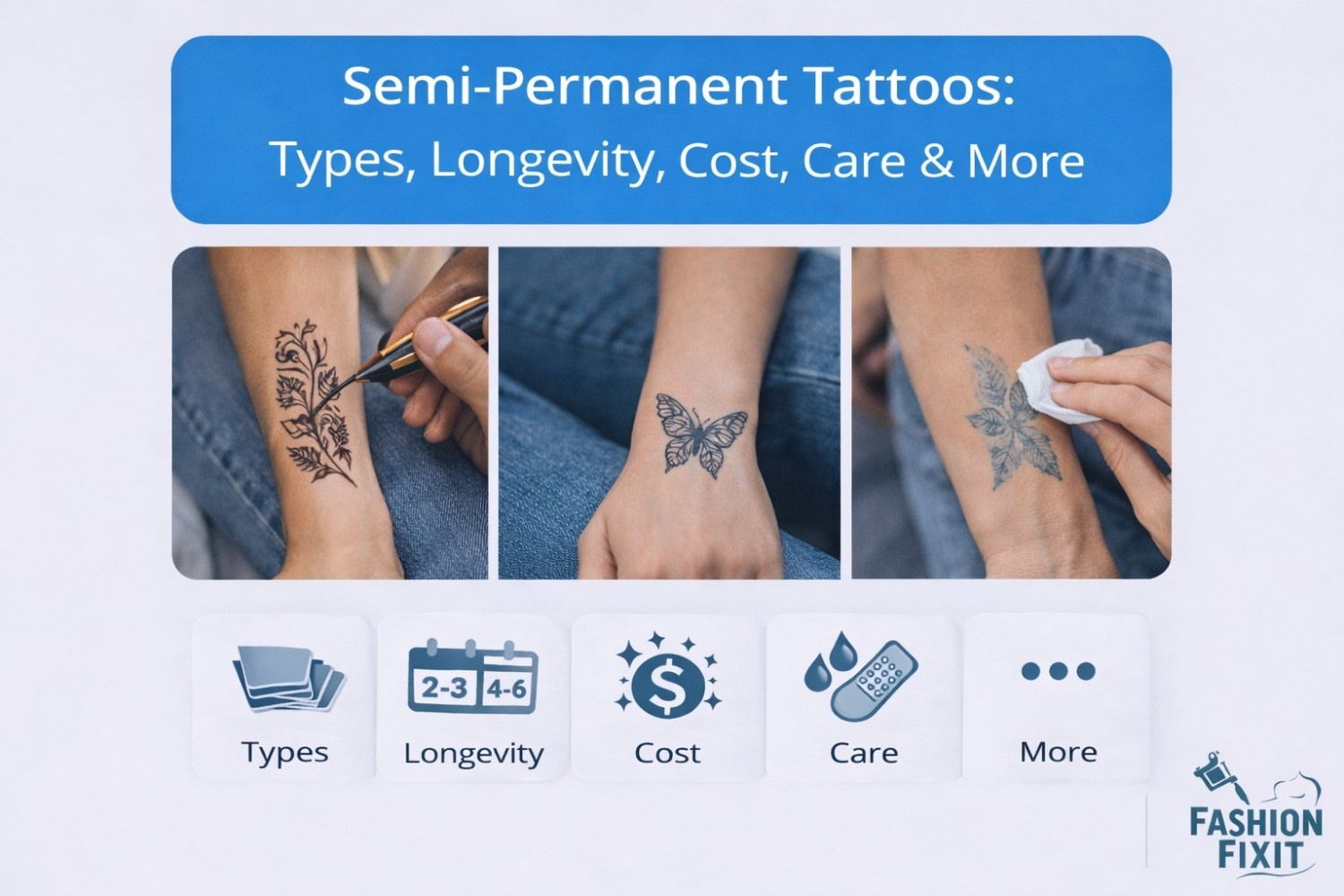
Semi-permanent tattoos are temporary body art designs created by placing cosmetic-grade pigment into the epidermis, producing realistic tattoo results that fade naturally within 7–28 days through normal skin renewal without needles, scarring, or permanent skin alteration. Semi-permanent tattoos bridge the gap between surface-level temporary tattoos and permanent tattoos by offering higher visual realism, controlled lifespan, and predictable fading.
Semi-permanent tattoos appeal to people seeking flexible self-expression, design testing, fashion-driven styling, or short-term body art for events and content creation. Common formats include plant-based dyes, jagua tattoos, cosmetic pigments, carbon-based pigments, airbrush applications, and film-transfer designs. Longevity varies by pigment type, placement, friction, skin turnover rate, and aftercare practices.
Costs in the United States typically range from low-cost DIY options to professionally applied designs, remaining significantly lower than permanent tattooing. Proper application, gentle aftercare, and informed brand selection support even fading, skin safety, and consistent results, making semi-permanent tattoos a practical choice for temporary yet realistic body art.
What Are Semi-Permanent Tattoos?
Semi-permanent tattoos are temporary body art markings created by depositing cosmetic-grade pigment into the epidermis and superficial dermal boundary, producing realistic tattoo-style designs that fade naturally within 7–28 days through epidermal cell turnover without clinical or laser-based removal.
Permanent tattoo ink penetrates the lower dermis at approximately 1.5–2.0 millimetres, where immune cell encapsulation prevents pigment clearance. Semi-permanent tattoo pigment remains within 0.04–0.12 millimetres of the skin surface, which aligns with epidermal renewal cycles measured at 21–28 days in dermatological skin biology literature.
Pigment systems used for semi-permanent tattoos consist of cosmetic-grade colorants, plant-derived dyes, or carbon-based compounds formulated for surface diffusion and gradual degradation. The U.S. Food and Drug Administration, Office of Cosmetics and Colors, classifies these pigments as topical cosmetic colorants rather than injectable tattoo inks, which explains predictable fading behavior and non-invasive application methods.
How Do Semi-Permanent Tattoos Work?
Semi-permanent tattoos work by transferring cosmetic-grade pigment into the epidermis and superficial dermal boundary, where pigment attaches to keratin-rich skin cells and disappears gradually as epidermal cell turnover replaces pigmented cells within an average 21–28 day renewal cycle.
The application process uses surface-level diffusion, controlled staining, or micro-abrasion instead of needle-based implantation. Pigment penetration stops above the lower dermis, which prevents immune encapsulation and permanent retention associated with traditional tattooing.
Pigment systems consist of cosmetic colorants, plant-derived dyes, or carbon-based compounds designed for molecular instability within epidermal tissue. Pigment removal occurs through natural desquamation, where pigmented corneocytes shed from the skin surface in sequential layers.
Fade duration varies by epidermal thickness, anatomical placement, and individual skin regeneration speed, while the biological fading mechanism remains constant across semi-permanent tattoo applications.
What Is the Difference Between Semi-Permanent, Temporary, and Permanent Tattoos?
The difference between semi-permanent, temporary, and permanent tattoos is defined by pigment depth, skin layer interaction, and biological retention, where temporary tattoos remain on the skin surface for 1–3 days, semi-permanent tattoos occupy the epidermis for 7–28 days, and permanent tattoos embed ink in the lower dermis for lifelong visibility.
Temporary Tattoos
Temporary tattoos remain on the stratum corneum without epidermal penetration, limiting visible duration to 24–72 hours under normal washing, friction, and sweat exposure. Pigment removal occurs through surface abrasion and cleansing. Common formats include transfer decals, cosmetic body paint, and henna stains restricted to outer keratin layers.
Semi-Permanent Tattoos
Semi-permanent tattoos place cosmetic-grade pigment within the epidermis and superficial dermal boundary, producing tattoo-like designs that fade naturally within 7–28 days through epidermal cell turnover. Pigment depth measures approximately 0.04–0.12 millimeters. Pigment loss occurs through desquamation rather than washing or immune encapsulation, which increases visual realism without permanent dermal retention.
Permanent Tattoos
Permanent tattoos inject ink into the lower dermis at approximately 1.5–2.0 millimeters, where immune cell encapsulation prevents pigment clearance and preserves designs indefinitely. Ink particles remain stabilized within dermal tissue by macrophage activity. Removal requires laser fragmentation or surgical procedures, which differentiates permanent tattoos from all non-invasive tattoo formats.
Why Are Semi-Permanent Tattoos Trending in Fashion and Beauty?
Semi-permanent tattoos are trending in fashion and beauty because body art consumption increasingly favors reversible aesthetic expression, where visual impact, short lifespan, and design flexibility align with rapid fashion cycles and non-permanent beauty preferences in the United States market.
Fashion Cycle Alignment
Fashion adoption increases because semi-permanent tattoos function as removable style elements that adapt to seasonal collections, outfit-specific styling, and short-term visual themes without permanent skin alteration. Fashion trend cycles average 3–6 months, which aligns with semi-permanent tattoo lifespan.
Beauty Preference for Reversible Enhancements
Beauty market demand grows because semi-permanent tattoos deliver high visual realism while avoiding invasive procedures, long-term commitment, and removal costs associated with permanent tattoos. Reversible enhancements dominate modern beauty categories, including hair color, nail design, and cosmetic treatments.
Social Media Visual Consumption
Social media influence accelerates adoption because semi-permanent tattoos provide high-contrast, camera-ready body art suitable for short-lived content cycles and rapid aesthetic changes. Visual platforms favor temporary identifiers that support frequent content refresh and stylistic variation.
Generational Identity Expression
Consumer behavior shifts support growth because younger demographics prioritize adaptable identity expression over permanent modification within fashion and beauty ecosystems. U.S. trend data indicates increased adoption of non-permanent aesthetic formats across apparel, cosmetics, and body art.
Reduced Entry Barriers
Market expansion occurs because semi-permanent tattoos lower financial, physical, and psychological barriers compared to permanent tattooing. Predictable fading, non-invasive application, and minimal aftercare requirements increase accessibility for first-time and trend-driven users.
What Are the Different Types of Semi-Permanent Tattoos?
The different types of semi-permanent tattoos are plant-based dye tattoos, jagua-based tattoos, cosmetic pigment tattoos, carbon-based tattoos, micro-abrasion tattoos, airbrush tattoos, cosmetic ink stain tattoos, and polymer film-transfer tattoos, each defined by pigment source, epidermal placement method, and controlled fade pathway.
Plant-Based Dye Semi-Permanent Tattoos
Plant-based dye semi-permanent tattoos use botanical pigments that bind to epidermal keratin proteins, producing natural-toned designs that fade evenly within 7–21 days through epidermal shedding. Common pigments include herbal dye compounds formulated for cosmetic skin staining rather than dermal injection.
Jagua-Based Semi-Permanent Tattoos
Jagua-based semi-permanent tattoos use genipin derived from Genipa americana fruit, creating blue-black designs through oxidation that fade within 10–18 days as pigmented keratinocytes are replaced. Color develops over 24–48 hours after application.
Cosmetic Pigment Semi-Permanent Tattoos
Cosmetic pigment semi-permanent tattoos rely on laboratory-formulated colorants deposited in the epidermis, delivering sharp line definition and broader color ranges with fade duration between 10–28 days. Pigment chemistry balances color intensity with molecular instability.
Carbon-Based Semi-Permanent Tattoos
Carbon-based semi-permanent tattoos use micronized carbon particles that adhere to superficial skin layers, producing high-contrast dark designs that fade gradually through desquamation without lower-dermal fixation. Particle size limits penetration depth.
Micro-Abrasion Semi-Permanent Tattoos
Micro-abrasion semi-permanent tattoos introduce pigment by controlled disruption of the stratum corneum, allowing epidermal pigment placement without needle penetration and fading through normal skin renewal cycles.
Airbrush Semi-Permanent Tattoos
Airbrush semi-permanent tattoos apply pigment through pressurized surface diffusion, enabling customizable designs that fade based on pigment density, skin oil production, and epidermal turnover rate.
Cosmetic Ink Stain Semi-Permanent Tattoos
Cosmetic ink stain semi-permanent tattoos use low-molecular-weight dyes that diffuse into the epidermis, creating subtle, skin-integrated designs that fade predictably as stained keratinocytes regenerate.
Polymer Film-Transfer Semi-Permanent Tattoos
Polymer film-transfer semi-permanent tattoos use pigment-embedded films that bond to upper epidermal layers, producing uniform designs that fade within 5–14 days through gradual surface shedding.
How Long Do Semi-Permanent Tattoos Last?
Semi-permanent tattoos last between 7 and 28 days, depending on pigment type, epidermal penetration depth, skin regeneration speed, and anatomical placement, with visible fading occurring progressively as epidermal cell turnover replaces pigmented keratinocytes.
Average Duration Range
The average visible duration of semi-permanent tattoos ranges from 10 to 21 days under normal skin conditions. Faster fading occurs on high-friction areas such as hands, wrists, and ankles. Slower fading occurs on low-friction areas such as the upper arm, shoulder, and calf.
Factors That Influence Longevity
Longevity varies based on skin cell turnover rate, pigment chemistry, application density, and daily exposure to water, sweat, and friction. Oily skin types and frequent exfoliation accelerate pigment loss. Thicker epidermal regions retain pigment longer.
Pigment Type and Fade Speed
Plant-based and jagua-derived pigments fade within 7–18 days, while cosmetic-grade and carbon-based pigments last up to 28 days due to higher molecular stability. All pigment types fade through epidermal shedding rather than immune encapsulation.
Fade Pattern Characteristics
Semi-permanent tattoos fade evenly and gradually rather than fragmenting or blurring, which distinguishes epidermal pigment loss from permanent tattoo degradation. Complete disappearance occurs without residual skin marking or color shadow.
What Designs and Styles Are Available in Semi-Permanent Tattoos?
Designs and styles available in semi-permanent tattoos include fine line minimalism, script lettering, floral and botanical motifs, geometric and abstract patterns, cultural symbolism, illustrative artwork, ornamental placements, and fully custom compositions, each adapted for epidermal pigment placement and predictable fade behavior.
Fine Line and Minimalist Styles
Fine line and minimalist styles use thin strokes, reduced detail density, and simple geometry, which preserve clarity at shallow pigment depth and ensure uniform fading during epidermal turnover. Common executions include micro symbols, outlines, stars, arrows, and single-line icons.
Script and Lettering Styles
Script and lettering styles present words, initials, dates, and short phrases using cursive, serif, sans-serif, or handwritten typography optimized for legibility within epidermal pigment limits. Stroke weight and spacing support clean fade without letter distortion.
Floral and Botanical Motifs
Floral and botanical motifs depict leaves, vines, roses, lotuses, and wildflowers, which align with organic line flow and gradual epidermal shedding patterns. Designs range from single-stem illustrations to compact botanical clusters.
Geometric and Abstract Patterns
Geometric and abstract patterns use symmetry, repetition, dots, and linear structures that maintain visual coherence as pigment density decreases. Popular forms include mandalas, triangles, circles, grids, and line-based abstractions.
Cultural and Symbolic Imagery
Cultural and symbolic imagery includes zodiac signs, celestial icons, numerology marks, spiritual symbols, and heritage-inspired emblems scaled for non-permanent application. Contrast and size support short-term visibility without deep dermal fixation.
Illustrative and Artistic Designs
Illustrative and artistic designs feature sketch-style lines, simplified realism, and hand-drawn aesthetics adapted to controlled pigment diffusion. Common subjects include animals, faces, objects, and conceptual visuals rendered with limited shading.
Ornamental and Accessory-Style Designs
Ornamental and accessory-style designs replicate jewelry aesthetics through bands, chains, cuffs, and decorative accents placed on wrists, ankles, collarbones, and fingers. Layout emphasizes symmetry and proportional balance.
Custom and Personalized Designs
Custom and personalized designs combine multiple elements, layout adjustments, and size scaling tailored to epidermal pigment behavior and fade consistency. Customization prioritizes clarity, contrast, and predictable disappearance.
What Sizes and Placements Work Best for Semi-Permanent Tattoos?
The sizes and placements that work best for semi-permanent tattoos are small-to-medium designs measuring 2–8 centimeters placed on low-friction, low-flexion skin areas, where epidermal pigment retention remains stable and fading occurs evenly within the normal 7–28 day renewal cycle.
Optimal Tattoo Sizes
Optimal semi-permanent tattoo sizes range from 2 to 5 centimeters for fine line designs and from 5 to 8 centimeters for moderate-detail designs, which preserves line clarity and prevents premature pigment loss during epidermal shedding. Designs below 2 centimeters lose definition faster due to limited pigment density. Designs above 8 centimeters fade unevenly due to differential skin movement and friction.
Best Low-Friction Placements
Low-friction placements provide the longest visible duration and cleanest fade for semi-permanent tattoos because reduced abrasion slows pigment loss from the epidermis. Common low-friction areas include the upper arm, outer shoulder, upper back, collarbone, rib side, calf, and outer thigh, where daily contact and joint movement remain limited.
Moderate-Friction Placements
Moderate-friction placements support acceptable longevity when pigment density and line weight are adjusted for skin movement. Common areas include the forearm, ankle side, and lower leg front, where clothing contact and motion moderately accelerate epidermal turnover.
High-Friction Placements
High-friction placements reduce longevity and visual clarity because frequent abrasion accelerates epidermal cell replacement. Common high-friction areas include fingers, palms, wrists, feet, neck folds, and inner elbows, where designs fade within 5–10 days under normal activity.
Placement and Design Compatibility
Placement success increases when design complexity matches skin behavior, where fine line art suits flat, low-movement areas and bold line designs perform better on curved or mobile skin zones. Matching size, line weight, and placement maintains consistent fade progression.
Visibility and Aesthetic Balance
Aesthetic balance improves when semi-permanent tattoos are placed on visually stable body regions that align with natural contours and clothing exposure patterns. Upper-arm outer panels, collarbone lines, and ankle sides support clear presentation without distortion.
Are Semi-Permanent Tattoos Safe for Your Skin?
Semi-permanent tattoos are safe for skin when cosmetic-grade pigments are used and pigment placement remains confined to the epidermis, where natural skin renewal removes color without dermal injury, immune encapsulation, or permanent tissue alteration.
Epidermal Skin Interaction
Skin safety remains high because semi-permanent tattoos deposit pigment above the lower dermis, avoiding blood vessels, nerve endings, and fibroblast-dense tissue associated with scarring and chronic inflammation. Epidermal turnover replaces pigmented keratinocytes naturally within normal skin regeneration cycles.
Pigment Composition Safety
Safety depends on pigment formulation, where cosmetic-grade colorants, plant-derived dyes, and regulated carbon compounds exhibit lower toxicity profiles than injectable tattoo inks. These pigments are designed for surface or epidermal exposure rather than long-term tissue retention.
Common Skin Responses
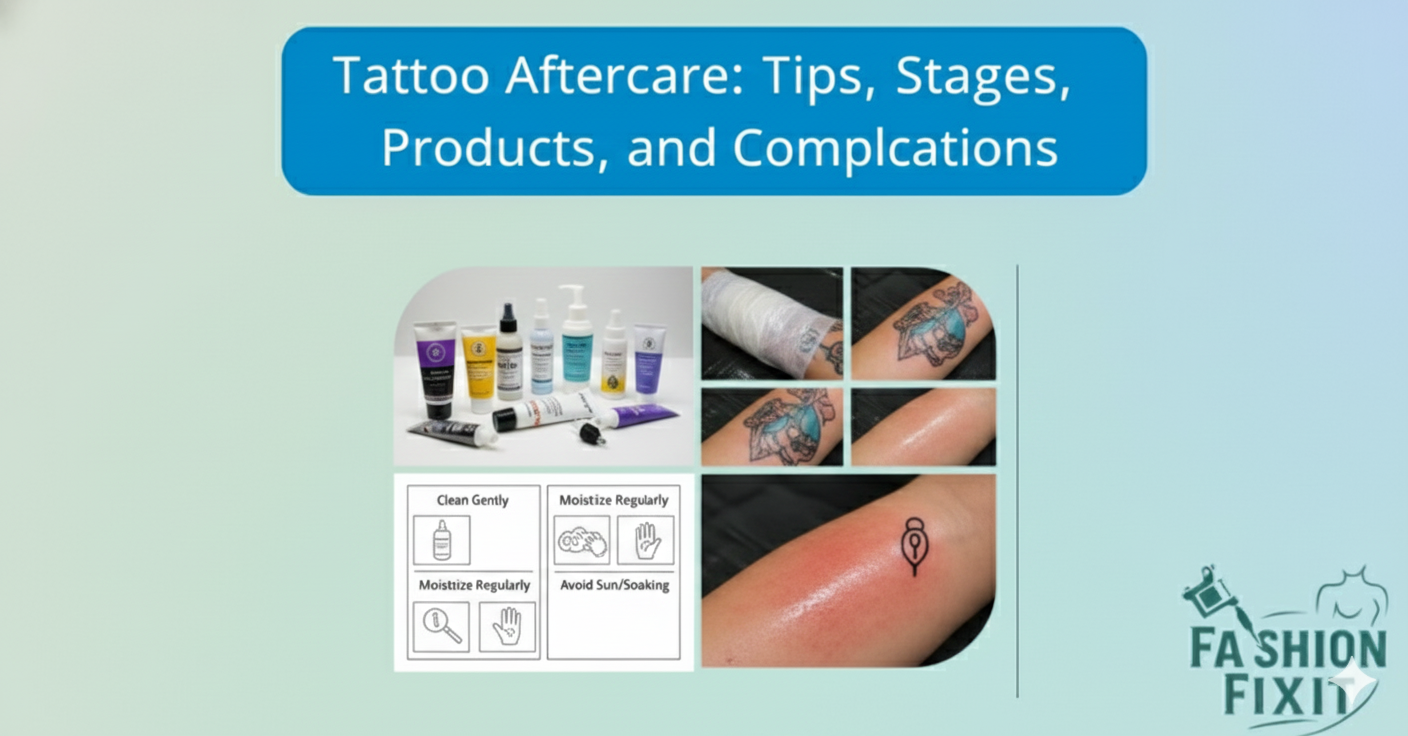
Typical skin responses include mild redness, dryness, or itching limited to the application site, resolving without intervention as epidermal layers regenerate. Adverse reactions increase when pigments contact compromised skin or pre-existing irritation.
Allergy and Sensitivity Risk
Allergic reactions occur infrequently and relate to individual sensitivity to botanical dyes, preservatives, or fragrance additives used in some formulations. Patch testing reduces reaction probability before full application.
Application and Hygiene Factors
Safe outcomes require intact skin, clean application tools, and avoidance of broken, inflamed, or infected skin areas. Poor hygiene increases irritation and localized infection risk despite non-invasive application.
Safety Compared to Permanent Tattoos
Overall risk remains lower than permanent tattooing because semi-permanent tattoos avoid needles, deep dermal trauma, pigment migration, and long-term immune response activation. Reduced penetration minimizes scarring and chronic pigment retention.
How Are Semi-Permanent Tattoos Applied Step by Step?
Semi-permanent tattoos are applied through a controlled epidermal process that includes skin assessment, cleansing, surface preparation, precise placement, pigment transfer, development stabilization, and structured aftercare, ensuring consistent pigment adhesion, predictable color development, and uniform fading within the normal epidermal renewal cycle.
Step 1: Skin Assessment and Area Selection
Skin assessment confirms intact, irritation-free epidermis and selects low-friction, low-flexion areas to support even pigment retention and stable fade progression. Areas with cuts, dermatitis, sunburn, or active acne reduce pigment adherence and increase irritation risk.
Step 2: Skin Cleansing and Degreasing
Skin cleansing removes oils, sweat, bacteria, and residue using soap-based washing followed by alcohol-based degreasing to create a dry, oil-free surface. Clean epidermis improves pigment-to-keratin binding efficiency.
Step 3: Hair Removal and Surface Smoothing
Hair removal improves stencil contact by shaving the area flush with the skin surface and eliminating hair lift that disrupts pigment transfer. Smooth skin improves line sharpness and edge definition.
Step 4: Skin Drying and Rest Period
Skin drying stabilizes surface conditions by allowing the cleansed area to air-dry completely for several minutes without applying lotion, sunscreen, deodorant, or oils. Residual moisture interferes with pigment diffusion.
Step 5: Design Alignment and Placement
Design alignment establishes accurate positioning by applying the stencil, film, or transfer medium evenly and pressing firmly to eliminate air pockets and movement. Flat placement ensures consistent pigment penetration across the design.
Step 6: Pigment Activation and Transfer
Pigment activation transfers color into the epidermis by maintaining direct contact between pigment medium and skin for a controlled duration, typically 30–120 minutes depending on formulation type. Transfer occurs through diffusion, staining, or surface binding rather than needle penetration.
Step 7: Stencil or Film Removal
Stencil or film removal completes pigment delivery by carefully lifting the transfer medium without rubbing or stretching the skin. Early disturbance reduces line clarity and pigment density.
Step 8: Initial Pigment Setting Phase
Initial pigment setting stabilizes epidermal binding by keeping the area dry and uncovered for 6–24 hours to allow molecular bonding and oxidation processes to complete. Color intensity increases gradually during this phase.
Step 9: Controlled First Wash
Controlled first wash protects pigment retention by delaying water exposure for 8–24 hours, then using gentle rinsing without soap, scrubbing, or exfoliating agents. Early abrasion accelerates pigment loss.
Step 10: Short-Term Aftercare Stabilization
Short-term aftercare maintains fade uniformity by avoiding heavy sweating, swimming, exfoliation, oils, and tight clothing for 48–72 hours following application. Reduced friction supports even pigment degradation.
Step 11: Normal Skin Cycle Integration
Normal skin cycle integration occurs as pigmented keratinocytes shed gradually through epidermal turnover, producing even fading without residue, shadowing, or dermal trauma. Complete disappearance aligns with individual skin regeneration rates.
How Do You Care for a Semi-Permanent Tattoo?
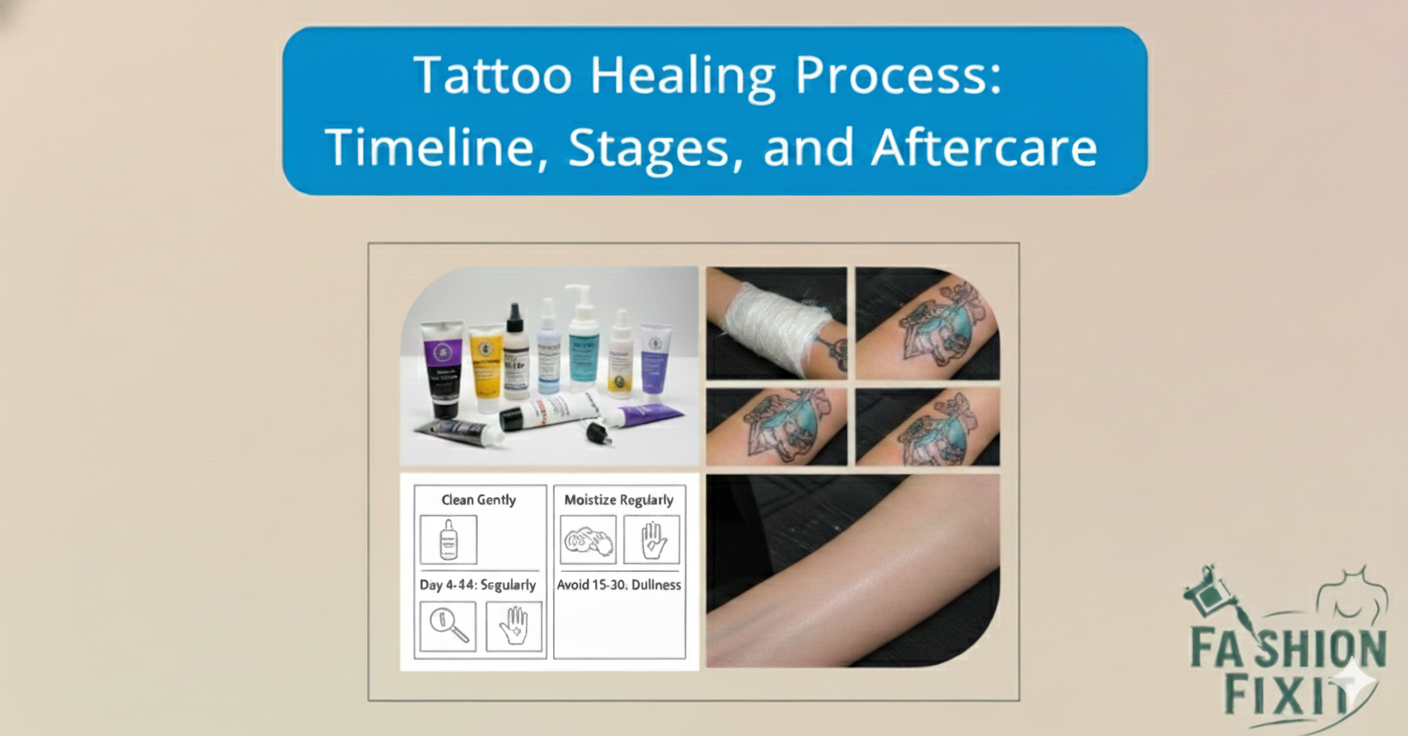
Care for a semi-permanent tattoo by keeping the area dry during initial pigment setting, minimizing friction and exfoliation for 48–72 hours, and maintaining gentle skin hygiene to support even epidermal fading across the 7–28 day renewal cycle.
Immediate Post-Application Care
Immediate post-application care stabilizes epidermal pigment binding by keeping the area dry and uncovered for 6–24 hours after transfer. Water exposure, oils, and occlusion disrupt early pigment adhesion and reduce color density.
First Wash Protocol
First wash protocol preserves pigment retention by delaying washing for 8–24 hours, then rinsing gently with water without soap, scrubbing, or exfoliating agents. Pat drying maintains surface integrity.
Short-Term Aftercare
Short-term aftercare supports uniform fading by avoiding exfoliation, shaving, loofahs, chemical peels, and tight clothing for 48–72 hours. Reduced abrasion limits premature epidermal pigment loss.
Moisture and Product Use
Moisture management improves fade consistency by applying light, fragrance-free moisturizer only after the first wash and avoiding oils, acids, retinoids, and alcohol-based products on the tattooed area. Active ingredients accelerate keratinocyte turnover.
Activity and Exposure Control
Activity control extends visible duration by limiting heavy sweating, swimming, sauna exposure, and prolonged sun exposure during the first 72 hours. Heat, chlorine, and UV increase epidermal shedding rates.
Long-Term Maintenance
Long-term maintenance ensures clean fade progression by maintaining gentle cleansing, avoiding mechanical exfoliation, and allowing natural epidermal turnover to remove pigment evenly. No removal procedures are required.
How Do You Remove Semi-Permanent Tattoos Faster?
Semi-permanent tattoos fade faster by accelerating epidermal cell turnover through controlled exfoliation, increased skin hydration, friction exposure, and frequent cleansing, which removes pigmented keratinocytes more rapidly than the natural 7–28 day skin renewal cycle.
Mechanical Exfoliation
Mechanical exfoliation removes semi-permanent tattoo pigment faster by physically shedding pigmented skin cells using exfoliating gloves, loofahs, or textured cloths applied once daily. Increased abrasion accelerates desquamation in the epidermis.
Chemical Exfoliation
Chemical exfoliation speeds removal by increasing keratinocyte turnover using alpha hydroxy acids, beta hydroxy acids, or enzyme-based exfoliants applied to intact skin. Acid concentration and application frequency directly influence fade speed.
Frequent Washing and Friction
Frequent washing accelerates pigment loss by increasing surface abrasion and hydration cycles that loosen pigment-bound keratin. Warm water and mild cleansers enhance epidermal shedding without dermal penetration.
Heat and Sweat Exposure
Heat and sweat exposure increase fade rate by stimulating skin turnover and moisture-driven desquamation. Exercise, saunas, and hot showers increase epidermal renewal activity.
Moisturization and Occlusion
Moisturization followed by occlusion softens the stratum corneum, which increases exfoliation efficiency and pigment release. Hydrated skin sheds pigmented cells faster than dry skin.
Sunlight Exposure
Ultraviolet exposure accelerates fading by increasing epidermal cell replacement and pigment oxidation. Direct sun exposure shortens visible duration but increases skin sensitivity risk.
High-Friction Body Placement
Natural friction from clothing and movement removes pigment faster when tattoos are placed on joints, hands, wrists, or feet. Constant mechanical stress accelerates epidermal turnover.
How Much Do Semi-Permanent Tattoos Cost in the United States?
Semi-permanent tattoos in the United States cost between $15 and $60 per design, depending on application method, design size, complexity level, pigment type, and whether the tattoo is professionally applied or self-applied using consumer kits.
Entry-Level and Small Designs
Small semi-permanent tattoos measuring 2–4 centimeters typically cost between $15 and $25, reflecting minimal pigment usage, simple line work, and short application time. Common examples include symbols, initials, numbers, and minimalist icons.
Medium and Detailed Designs
Medium semi-permanent tattoos measuring 5–8 centimeters generally cost between $25 and $45, influenced by increased line density, shading complexity, and longer pigment transfer duration. Floral motifs, script lettering, and geometric patterns fall within this range.
Large or Custom Designs
Large or highly customized semi-permanent tattoos cost between $40 and $60, reflecting extended preparation time, custom layout work, and higher pigment density. Pricing increases with design personalization and placement complexity.
Professional Application Pricing
Professionally applied semi-permanent tattoos command higher prices due to artist expertise, hygiene standards, placement accuracy, and consistent pigment results. Event-based services, pop-up studios, and fashion activations typically price at the upper end of the range.
DIY and At-Home Kit Costs
DIY semi-permanent tattoo kits cost between $10 and $35 and support multiple applications, lowering per-design cost while requiring user-applied placement and preparation. Kit pricing varies by pigment formulation, design count, and brand quality.
Cost Influencing Factors
Pricing variation depends on geographic location, artist experience, pigment formulation, design complexity, and application method. Urban markets charge higher average rates than suburban or rural areas due to service demand and overhead.
Who Should Consider Semi-Permanent Tattoos?
Semi-permanent tattoos are suitable for individuals seeking temporary body art with realistic appearance, controlled duration, and no permanent skin modification, particularly where flexibility, low commitment, and reversible aesthetic expression are primary requirements.
First-Time Tattoo Wearers
First-time tattoo wearers benefit from semi-permanent tattoos because the format allows experience of tattoo placement, size, and visibility without lifelong commitment or removal procedures. Short lifespan reduces decision risk.
Fashion- and Trend-Focused Individuals
Fashion- and trend-focused individuals consider semi-permanent tattoos to match seasonal styles, outfits, campaigns, or short-term aesthetic themes that change within weeks rather than years. Design rotation aligns with fashion cycles.
Beauty and Content Creators
Beauty professionals and content creators use semi-permanent tattoos for photoshoots, social media content, and brand collaborations where visual impact is required temporarily. Predictable fading supports frequent visual updates.
Event and Occasion Participants
Event-based users consider semi-permanent tattoos for weddings, festivals, performances, and themed events that require temporary body art aligned with a specific date or concept. Time-limited visibility suits occasion-based use.
Individuals Avoiding Permanent Modification
Individuals avoiding permanent modification choose semi-permanent tattoos due to personal, professional, cultural, or lifestyle considerations that restrict permanent tattoos. Epidermal placement avoids long-term skin alteration.
Sensitive or Commitment-Conscious Users
Commitment-conscious users consider semi-permanent tattoos to avoid pain intensity, healing downtime, and removal costs associated with permanent tattooing. Non-invasive application reduces physical and psychological barriers.
Design Testing and Placement Evaluation
Design-testing users apply semi-permanent tattoos to evaluate size, placement, and visibility before deciding on permanent tattoo execution. Short duration supports informed long-term decisions.
What Are the Pros and Cons of Semi-Permanent Tattoos?
The pros and cons of semi-permanent tattoos are defined by epidermal pigment placement, temporary durability, visual realism, and lifestyle adaptability, where benefits emphasize reversibility and low commitment, and limitations relate to shorter lifespan and sensitivity to friction and skin turnover.
Pros of Semi-Permanent Tattoos
The advantages of semi-permanent tattoos are given below:
- Reversible body art, where pigment fades naturally within 7–28 days through epidermal cell turnover
- Non-invasive application, avoiding needles, dermal trauma, scarring, and prolonged healing phases
- Realistic visual appearance, delivering clear line definition comparable to permanent tattoos
- Low commitment requirement, suitable for first-time users, design testing, and placement evaluation
- Predictable fade behavior, where pigment disappears evenly without residual shadowing
- Lower cost range, compared to permanent tattooing due to simplified materials and application time
- Professional and lifestyle compatibility, supporting temporary body art where permanent tattoos are restricted
Cons of Semi-Permanent Tattoos
The limitations of semi-permanent tattoos are given below:
- Limited lifespan, with visibility restricted to days or weeks rather than years
- High friction sensitivity, where joints, hands, wrists, and clothing contact accelerate fading
- Environmental exposure impact, including sweat, water immersion, heat, and exfoliating products
- Reduced color saturation, especially for dense shading and highly detailed designs
- Skin-type variability, where oily skin and rapid epidermal turnover shorten visible duration
- Design constraints, requiring controlled line weight and simplified detail for consistent fading
Why Do People Choose Semi-Permanent Tattoos Over Permanent Ones?
People choose semi-permanent tattoos over permanent ones because semi-permanent tattoos provide realistic body art with limited duration, lower commitment, reduced physical risk, and predictable fading, which aligns with flexible lifestyle, professional, and aesthetic requirements.
Low Commitment and Reversibility
Low commitment drives preference because semi-permanent tattoos fade naturally within 7–28 days, allowing body art experimentation without lifelong skin alteration or removal procedures. Reversibility reduces decision risk associated with permanent tattoo regret.
Reduced Physical and Skin Risk
Reduced physical risk influences choice because semi-permanent tattoos avoid needles, deep dermal penetration, scarring potential, and long healing periods. Epidermal pigment placement prevents immune encapsulation and permanent tissue response.
Design and Placement Testing
Design and placement testing motivates adoption because semi-permanent tattoos allow evaluation of size, visibility, and body placement before committing to permanent tattoo execution. Temporary duration supports informed long-term decisions.
Lifestyle and Professional Compatibility
Lifestyle compatibility increases appeal because semi-permanent tattoos suit professions, cultural norms, and personal circumstances that restrict permanent body modifications. Temporary visibility aligns with changing personal and professional conditions.
Fashion and Trend Alignment
Fashion alignment explains preference because semi-permanent tattoos adapt to seasonal trends, aesthetic shifts, and short-term style cycles common in fashion and beauty culture. Visual updates occur without permanent commitment.
Cost and Accessibility Advantages
Cost accessibility supports adoption because semi-permanent tattoos cost significantly less than permanent tattoos and require no removal expenses. Lower financial barriers expand access for first-time and casual users.
Psychological Comfort and Flexibility
Psychological comfort influences choice because semi-permanent tattoos reduce anxiety related to permanence, pain, and long-term consequences. Flexible duration supports confidence in aesthetic experimentation.
What Should You Do If Your Semi-Permanent Tattoo Looks Wrong?
Correcting a semi-permanent tattoo that looks wrong involves reducing pigment density, accelerating epidermal shedding, adjusting visual balance, or allowing natural fade progression, depending on alignment error, color intensity, or placement dissatisfaction.
Assess the Issue Type
Assessment determines the correction approach by identifying whether the issue relates to placement misalignment, excessive darkness, blurred edges, or design proportion. Misplacement requires visual balancing. Excess pigment requires accelerated fading.
Reduce Pigment Intensity Safely
Pigment intensity reduces faster through controlled exfoliation using textured cloths or exfoliating gloves applied once daily to intact skin. Increased epidermal shedding removes pigmented keratinocytes without skin damage.
Accelerate Natural Fading
Fade acceleration occurs by increasing washing frequency, friction exposure, and hydration cycles that soften the stratum corneum. Warm showers and gentle cleansers increase desquamation speed.
Avoid Color Lock-In
Avoidance of occlusive products prevents pigment stabilization by stopping oils, balms, and sealants that prolong epidermal pigment retention. Early occlusion preserves unwanted intensity.
Visually Balance the Design
Visual balance improves appearance by adding surrounding elements, symmetry accents, or complementary designs that redirect focus from alignment or proportion issues. Balance adjustments remain within epidermal application limits.
Use Makeup or Coverage
Temporary coverage corrects appearance by applying body makeup, concealer, or tinted lotions matched to skin tone. Coverage masks visual errors during fade progression.
Allow Complete Natural Fade
Natural fade resolves all visual issues as epidermal renewal replaces pigmented cells within 7–28 days without intervention. No residual marking remains after full turnover.
Avoid Aggressive Removal Methods
Avoidance of harsh chemicals, scraping, or skin trauma prevents irritation, scarring, and uneven pigment loss. Aggressive removal increases skin damage risk without improving outcome.
Semi-Permanent Tattoos vs Other Tattoo Options: Which Is Right for You?
The right tattoo option depends on desired commitment level, duration, skin interaction depth, and lifestyle needs, where semi-permanent tattoos suit short-term flexibility, temporary tattoos suit single-use occasions, and permanent tattoos suit long-term identity expression.
Semi-Permanent Tattoos
Semi-permanent tattoos suit individuals seeking realistic body art with controlled duration, fading naturally within 7–28 days through epidermal cell turnover without needles or permanent skin alteration. This option fits design testing, fashion alignment, professional flexibility, and reversible aesthetic expression.
Temporary Tattoos
Temporary tattoos suit short-term or single-day use cases where designs remain on the skin surface for 1–3 days and remove through washing or abrasion. This option fits events, children’s use, costumes, and novelty body art without visual realism expectations.
Permanent Tattoos
Permanent tattoos suit individuals seeking lifelong body art, where ink deposits into the lower dermis at approximately 1.5–2.0 millimeters and remains indefinitely through immune encapsulation. This option fits long-term symbolism, identity marking, and permanent aesthetic commitment.
Commitment and Risk Comparison
Commitment level increases from temporary to semi-permanent to permanent tattoos, while physical risk, removal complexity, and cost increase in the same order. Semi-permanent tattoos occupy a middle position by balancing realism with reversibility.
Lifestyle and Professional Considerations
Lifestyle compatibility favors semi-permanent tattoos where workplaces, cultural norms, or personal preferences restrict permanent body modification. Temporary tattoos suit occasional use. Permanent tattoos suit unrestricted personal expression.
Cost and Accessibility Differences
Cost accessibility remains highest for temporary tattoos, moderate for semi-permanent tattoos, and highest for permanent tattoos due to application time, expertise, and removal expenses. Semi-permanent tattoos provide aesthetic value without long-term financial commitment.
How Do You Choose the Best Semi-Permanent Tattoo Brand?
Choosing the best semi-permanent tattoo brand involves evaluating pigment quality, safety standards, formulation transparency, application support, and performance consistency, where top brands provide cosmetic-grade pigments, clear ingredient disclosure, consistent fade behavior, and reliable guidance for safe epidermal use.
Pigment Quality and Formulation
Top semi-permanent tattoo brands provide high-grade pigments designed for epidermal placement and predictable fade patterns, where molecular stability supports visual intensity yet breaks down through natural skin turnover without deep dermal retention. Premium pigments balance color saturation with controlled fade timelines.
Safety Standards and Ingredient Transparency
Trusted brands disclose all pigment and additive ingredients, support patch testing protocols, and adhere to cosmetic safety guidelines, which minimizes allergic reactions and irritation risk. Ingredient clarity signals formulation integrity and supports informed consumer choice.
Application Guidance and Aftercare Support
Comprehensive application instructions and aftercare recommendations support consistent outcomes because precise skin preparation, contact timing, and hygiene practices influence pigment transfer efficiency. Clear guidance reduces user error and uneven fading.
Fade Consistency and Duration Reliability
Reliable brand performance demonstrates predictable fade behavior across multiple uses, where pigment loss aligns with expected epidermal renewal cycles and does not persist as uneven shadows or residual marks. Consistency indicates formulation stability.
Design Tools and Accessory Quality
High-quality design tools and accessories, including films, stencils, applicators, and protective materials, improve placement accuracy and pigment transfer control. Superior tools reduce application variability.
Consumer Reviews and Expert Endorsements
Positive consumer feedback and professional stylist endorsements reflect real-world performance, user satisfaction, and overall reliability of semi-permanent tattoo brands. Consistent reviews reduce purchase uncertainty.
Regulatory Compliance and Safety Certification
Brands that comply with cosmetic regulatory guidelines and safety certifications provide added assurance of non-toxic, skin-appropriate formulations. Third-party verification supports consumer confidence.
Price-to-Performance Balance
Cost-effectiveness is determined by pigment longevity, application success rate, and included accessories rather than lowest price alone. Balanced value emphasizes performance quality over temporary savings.
Conclusion
Semi-permanent tattoos provide realistic body art through epidermal pigment placement that fades predictably within 7–28 days, combining visual clarity, non-invasive application, and reversible duration without permanent dermal retention.
Semi-permanent tattoos suit flexible self-expression across fashion, beauty, events, and professional settings. Outcomes depend on pigment chemistry, application accuracy, placement friction, skin renewal rate, and aftercare discipline. Compared with temporary and permanent tattoos, semi-permanent tattoos balance realism, safety, cost accessibility, and controlled lifespan, supporting informed design experimentation without long-term skin alteration.