
The main types of tattoos are artistic tattoos, placement-based tattoos, size-based tattoos, meaning-based tattoos, technique-based tattoos, cultural-origin tattoos, and commitment-based tattoos, classified by how tattoos look, where tattoos are placed, why tattoos are chosen, and how tattoos behave over time.
Tattoo types vary across multiple decision layers, including style, art form, size, placement, visibility, meaning, theme, cultural origin, technique, ink density, line quality, shading style, colour use, layout, orientation, surface coverage, layering, motion effect, emotional tone, energy, trend status, generation, professional use, pain level, maintenance demand, aging behaviour, commitment level, time investment, personalisation level, and lifecycle stage.
Tattoo selection depends on aligning personal intent, social visibility tolerance, pain capacity, maintenance willingness, long-term aging expectations, lifestyle constraints, and professional context. Bold, high-contrast tattoos age more predictably than fine-line or pastel designs. Larger, denser, and more visible tattoos require higher commitment, time, and care. Cultural background, emotional purpose, and life stage influence symbolism and design direction. Choosing the right tattoo requires balancing visual preference with skin behaviour, durability, and long-term relevance.
What are Tattoos?
Tattoos are permanent body markings created by embedding pigmented ink into the dermis layer of human skin using needles, producing stable visual designs that persist beyond epidermal regeneration cycles. Dermal pigment permanence occurs because ink particles remain trapped within dermal tissue structures, preventing natural skin turnover from removing pigmentation.
What are the Main Types of Tattoos?
The main types of tattoos are defined by ink application method, line structure, shading behavior, and visual composition used by professional tattoo artists in the United States. Tattoo types differ by needle technique, pigment density, and design execution.
Traditional Tattoos
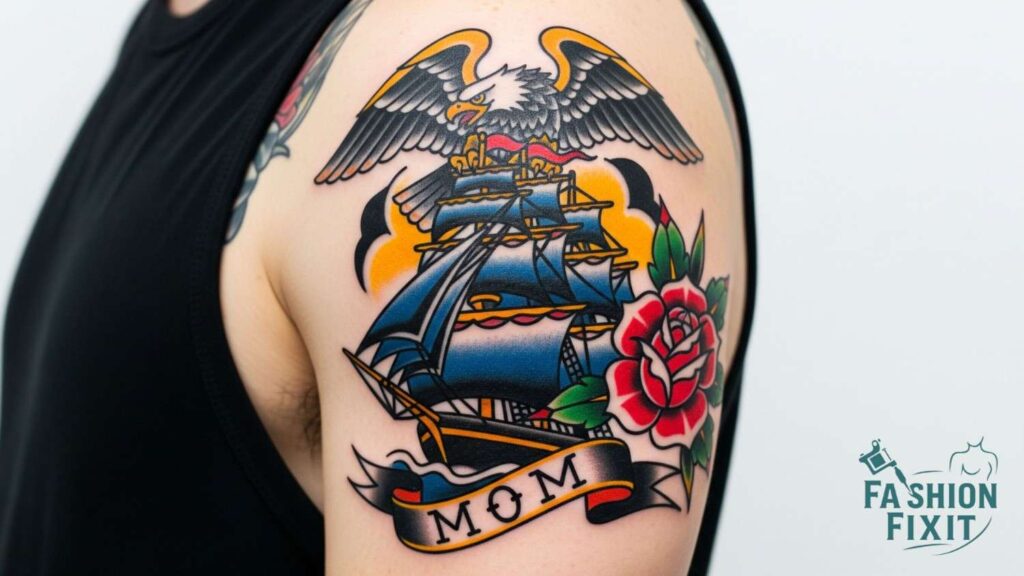
Traditional tattoos use thick black outlines, solid color fills, and a restricted palette limited to red, yellow, green, and black ink. Traditional tattoo designs include anchors, roses, daggers, skulls, pin-up figures, and eagles commonly observed in early American tattooing.
Neo-Traditional Tattoos
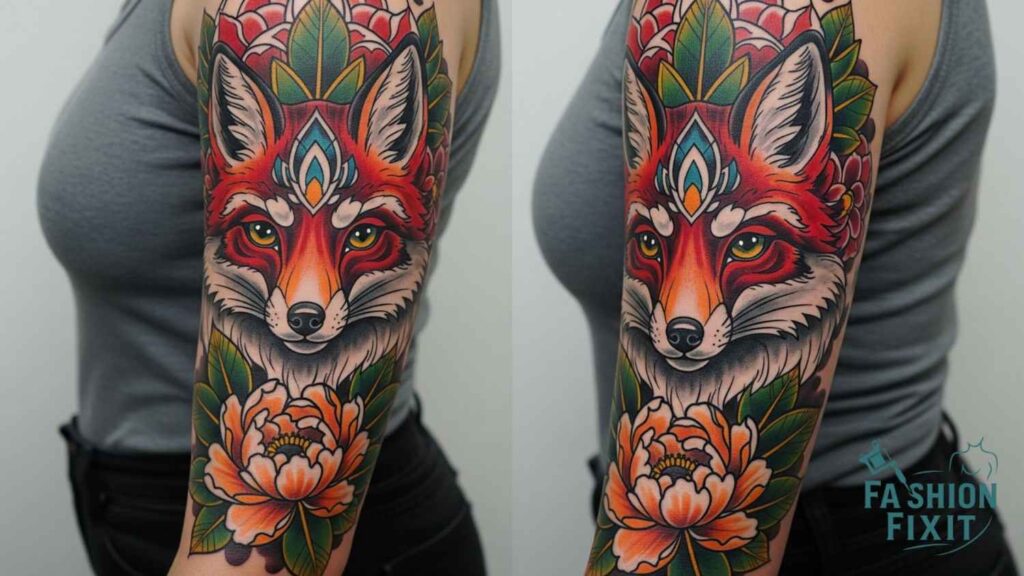
Neo-traditional tattoos expand traditional tattoo structure by increasing shading depth, color variation, and decorative detailing while preserving bold outlines. Neo-traditional tattoo designs feature animals, portraits, and ornamental motifs with enhanced dimensionality.
Realism Tattoos
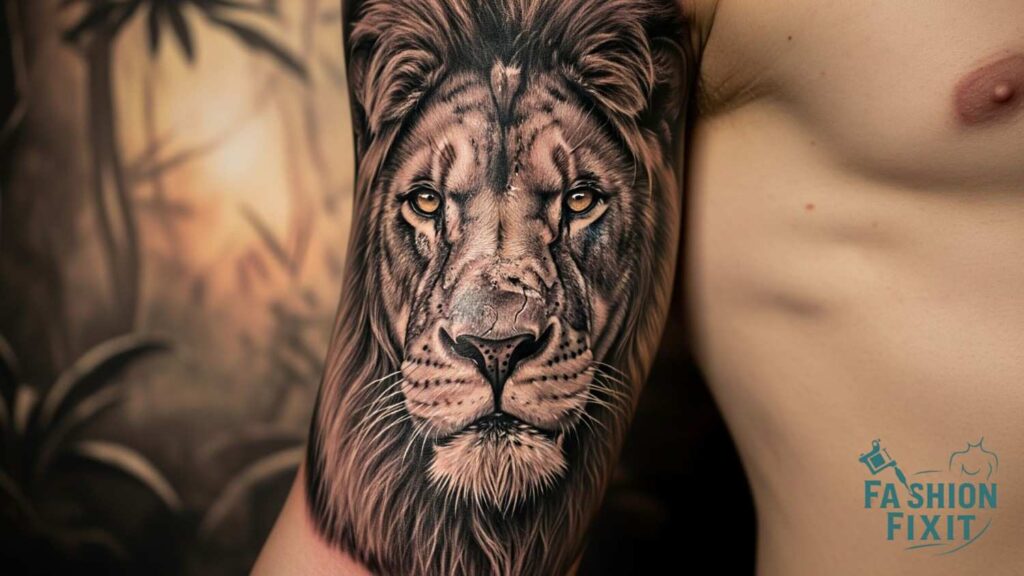
Realism tattoos reproduce photographic subjects through precise proportions, smooth gradient shading, and controlled tonal contrast. Realism tattoo subjects include human portraits, animals, landscapes, and objects rendered with lifelike accuracy.
Hyperrealism Tattoos
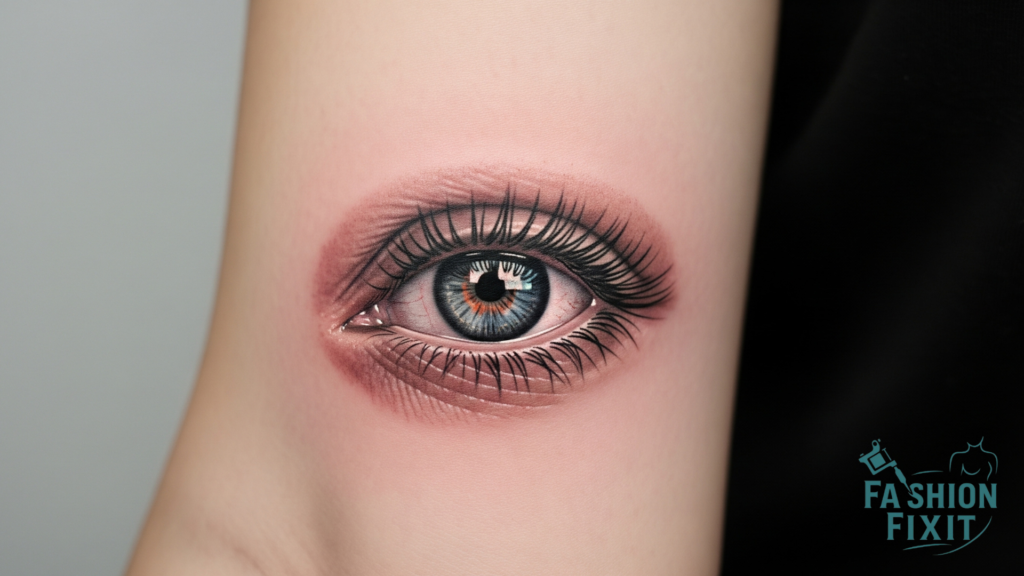
Hyperrealism tattoos intensify realism tattoo techniques by adding extreme detail density, surface texture simulation, and optical depth effects. Hyperrealism tattoo designs emphasize pores, reflections, wrinkles, and three-dimensional realism.
Blackwork Tattoos
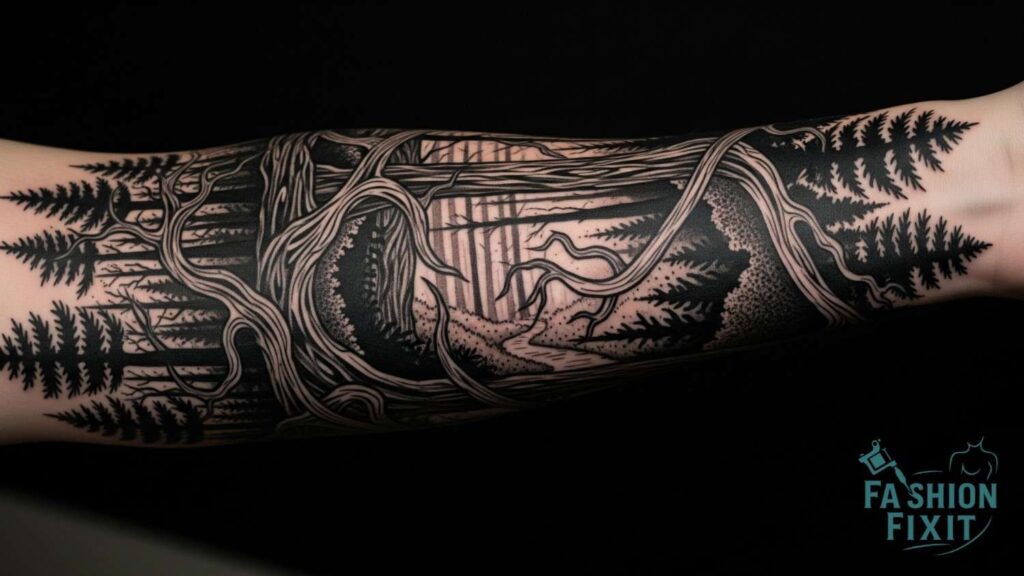
Blackwork tattoos use exclusively black ink to create high-contrast designs based on solid fills, line density, and negative space. Blackwork tattoo designs include symbols, ornamental patterns, and large-scale compositions.
Fine Line Tattoos
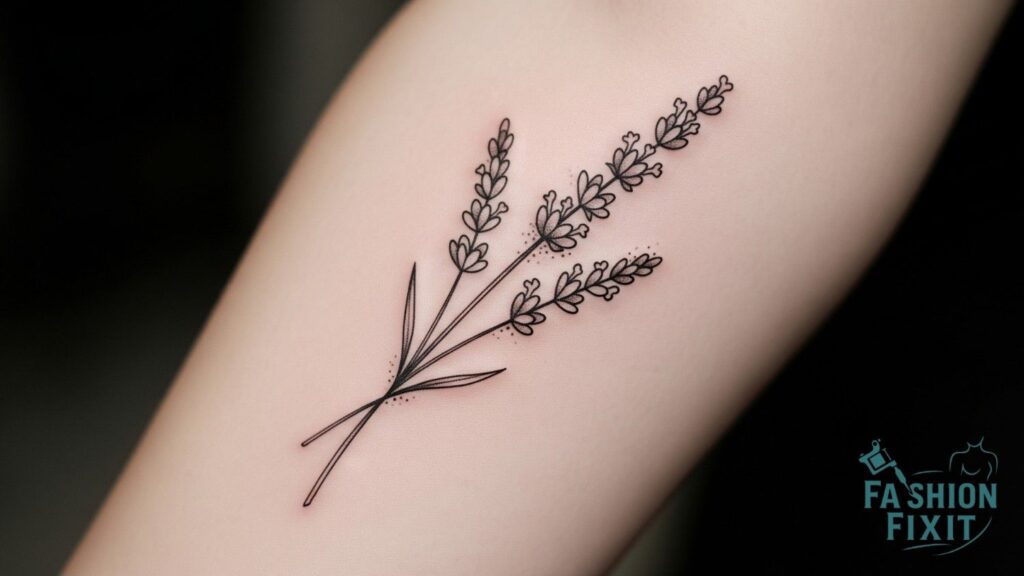
Fine line tattoos use thin, precise lines created with small needle groupings and minimal pigment saturation. Fine line tattoo designs include minimalist symbols, florals, and delicate line illustrations.
Minimalist Tattoos
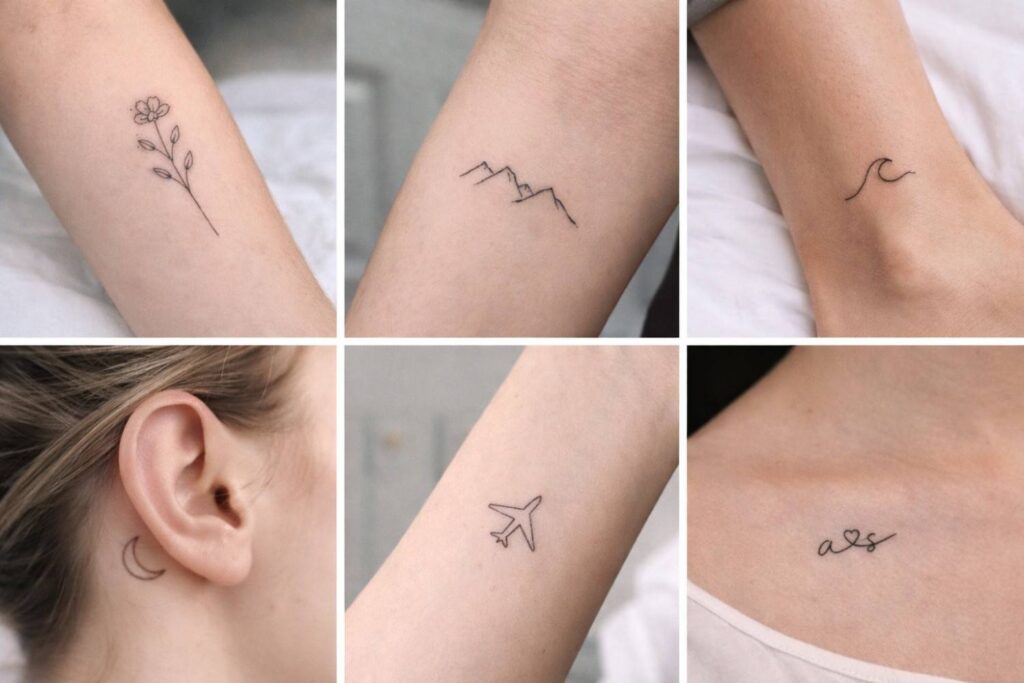
Minimalist tattoos reduce tattoo design to simplified shapes, minimal lines, and limited visual elements. Minimalist tattoo designs focus on clarity, spacing, and restrained composition.
Watercolor Tattoos
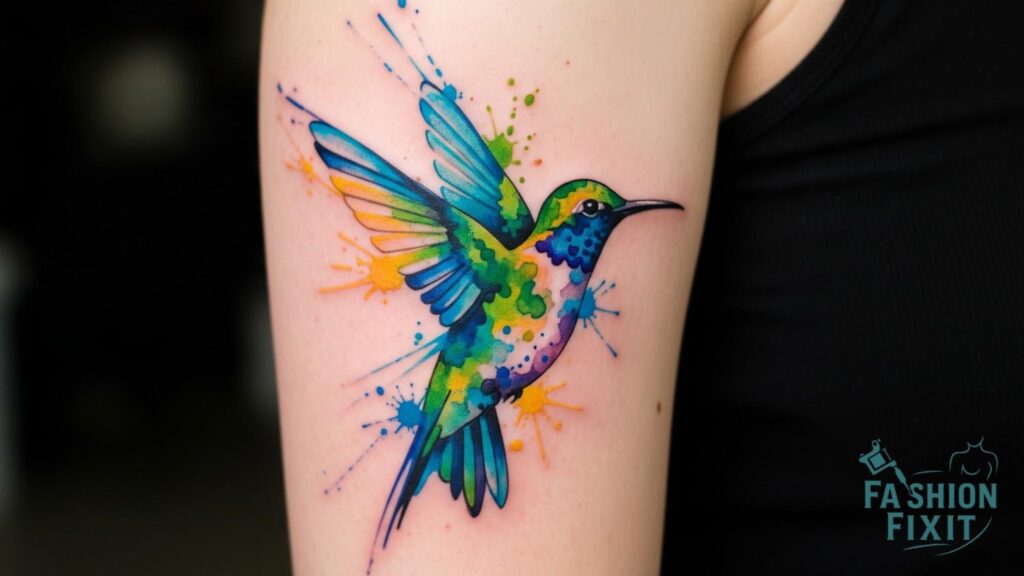
Watercolor tattoos replicate watercolor painting effects using diluted pigments, soft gradients, and color diffusion without heavy outlines. Watercolor tattoo designs emphasize fluid color transitions and painterly appearance.
Abstract Tattoos
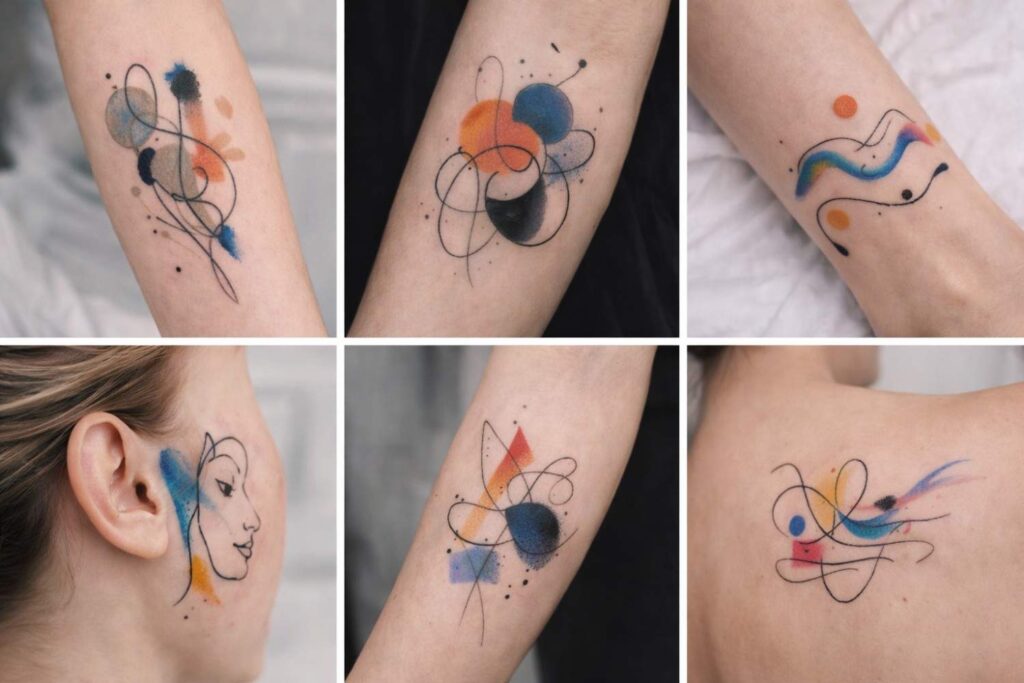
Abstract tattoos express concepts through non-literal forms, color placement, and free-flowing shapes rather than representational imagery. Abstract tattoo designs prioritize visual interpretation over realism.
Geometric Tattoos
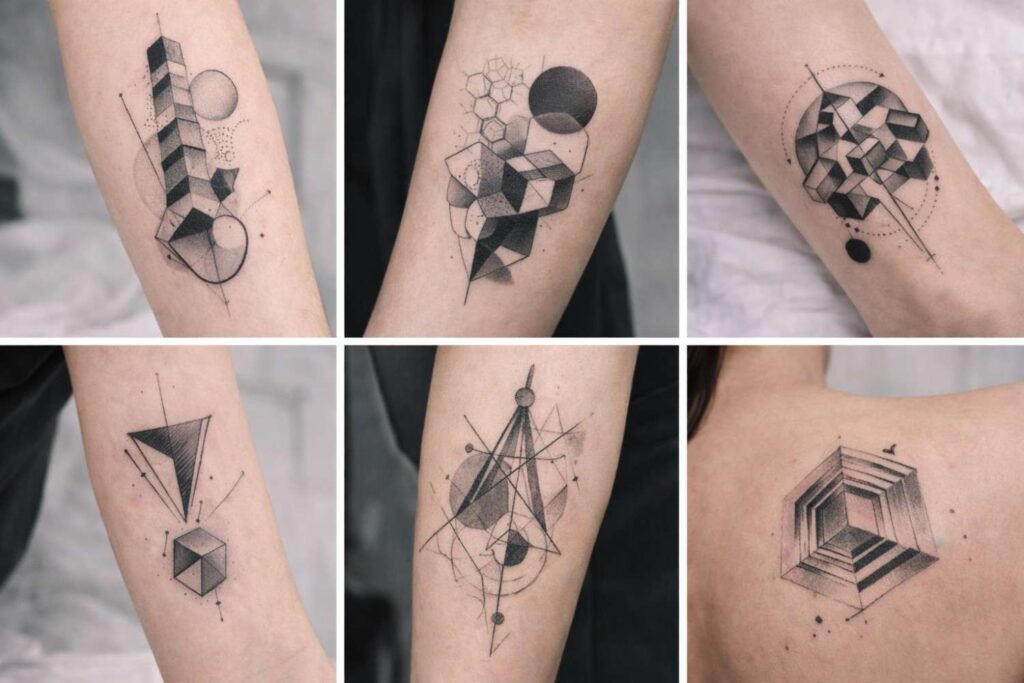
Geometric tattoos construct designs using precise shapes, symmetry, and repeated mathematical patterns. Geometric tattoo designs include mandalas, line grids, sacred geometry, and structured motifs.
Tribal Tattoos
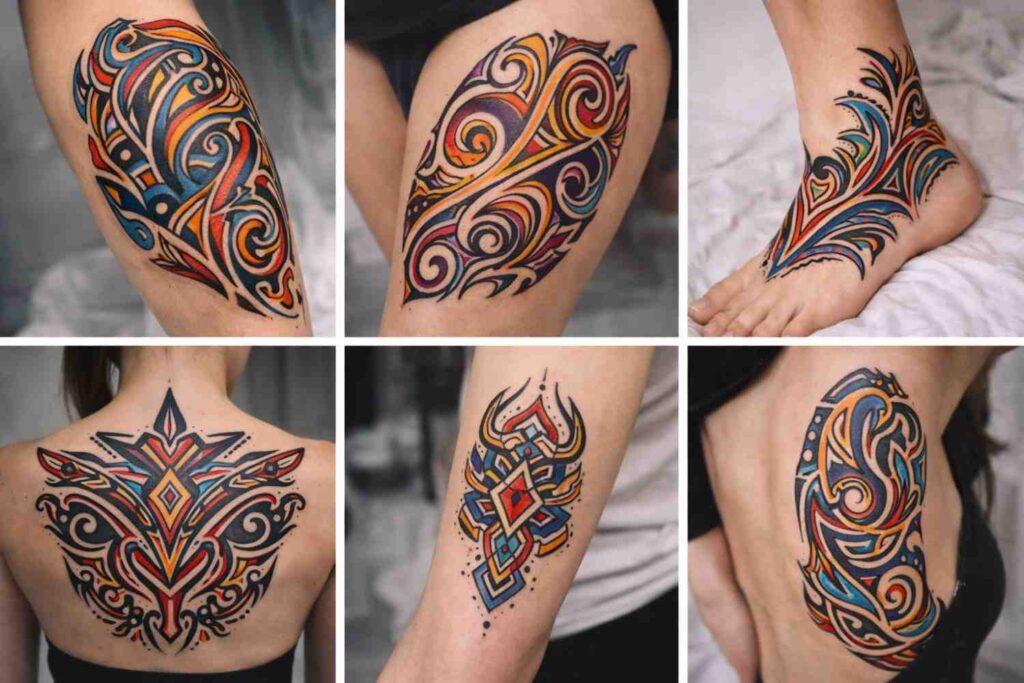
Tribal tattoos consist of bold black patterns derived from indigenous cultural designs and symbolic line systems. Tribal tattoo traditions include Polynesian, Maori, Samoan, and Native American pattern structures.
Japanese Tattoos
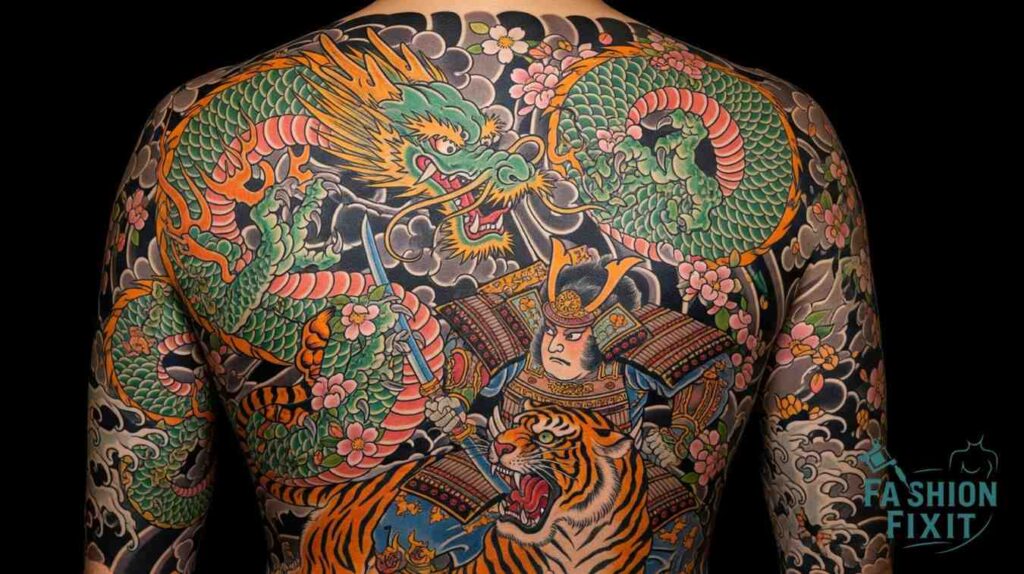
Japanese tattoos follow Irezumi traditions featuring large compositions with koi fish, dragons, warriors, and floral elements. Japanese tattoo designs emphasize body flow, balance, and symbolic storytelling.
Script Tattoos
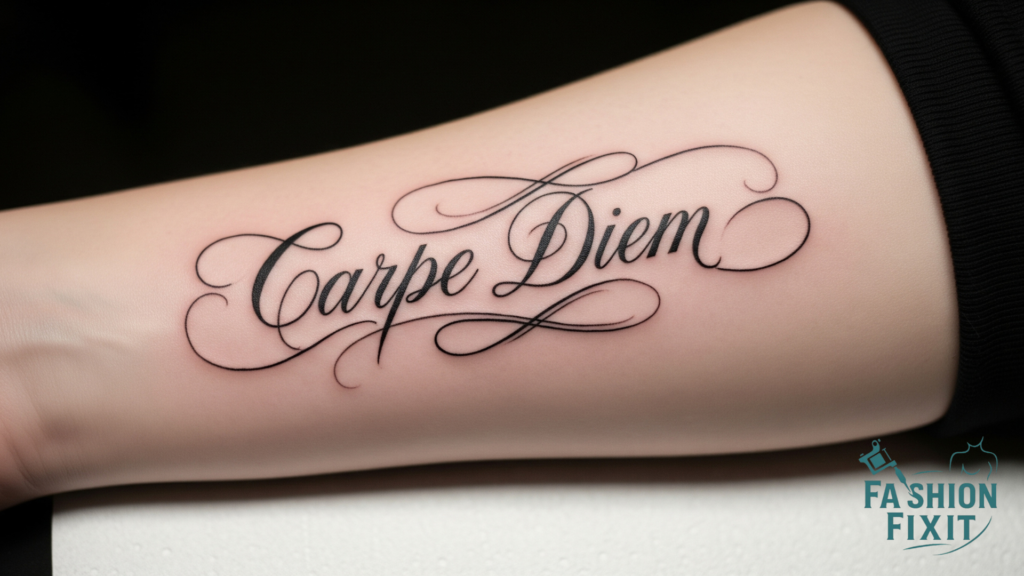
Script tattoos present words, phrases, or names using stylized lettering forms such as cursive, calligraphy, or serif typography. Script tattoo designs focus on stroke consistency, spacing accuracy, and long-term readability.
Portrait Tattoos
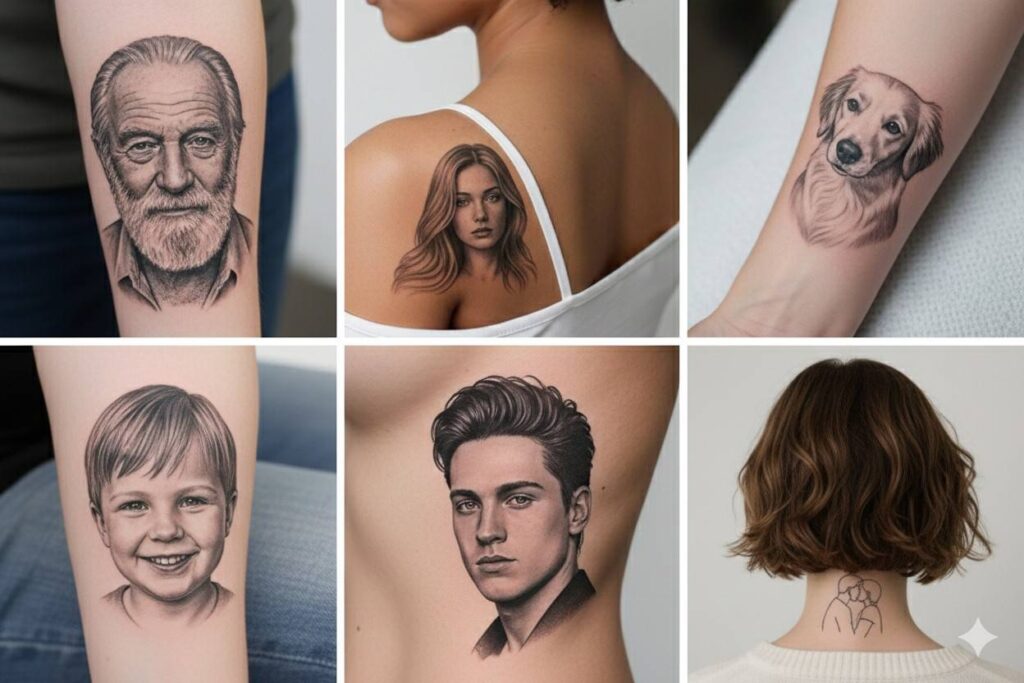
Portrait tattoos depict identifiable human faces using realism-based tattoo techniques focused on facial proportion and tonal control. Portrait tattoo accuracy depends on anatomical precision and shading balance.
What are the Types of Tattoos by Size?
The types of tattoos by size are micro tattoos, small tattoos, medium tattoos, large tattoos, extra-large tattoos, and full-coverage tattoos, classified by skin surface area, design density, and visual dominance rather than tattoo style or tattoo theme. Tattoo size classification explains how much of the body a tattoo occupies.
Micro Tattoos
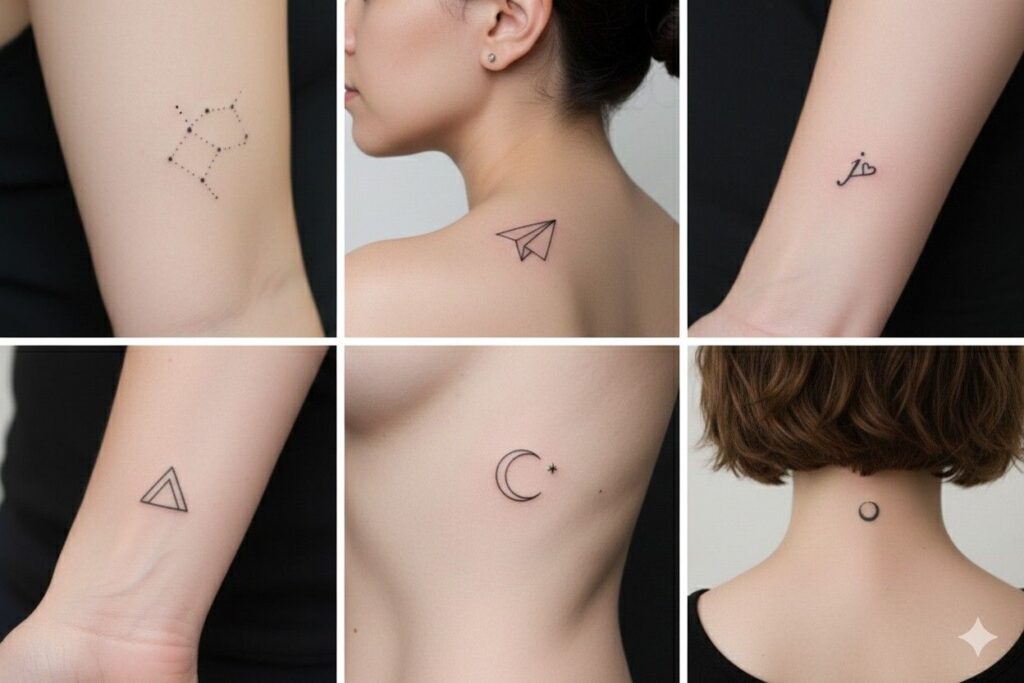
Micro tattoos are tattoo designs that cover less than 1 square inch of skin and use ultra-fine lines with minimal visual elements. Micro tattoo designs include tiny symbols, dots, numbers, minimal icons, and single-line imagery requiring high precision at reduced scale.
Small Tattoos
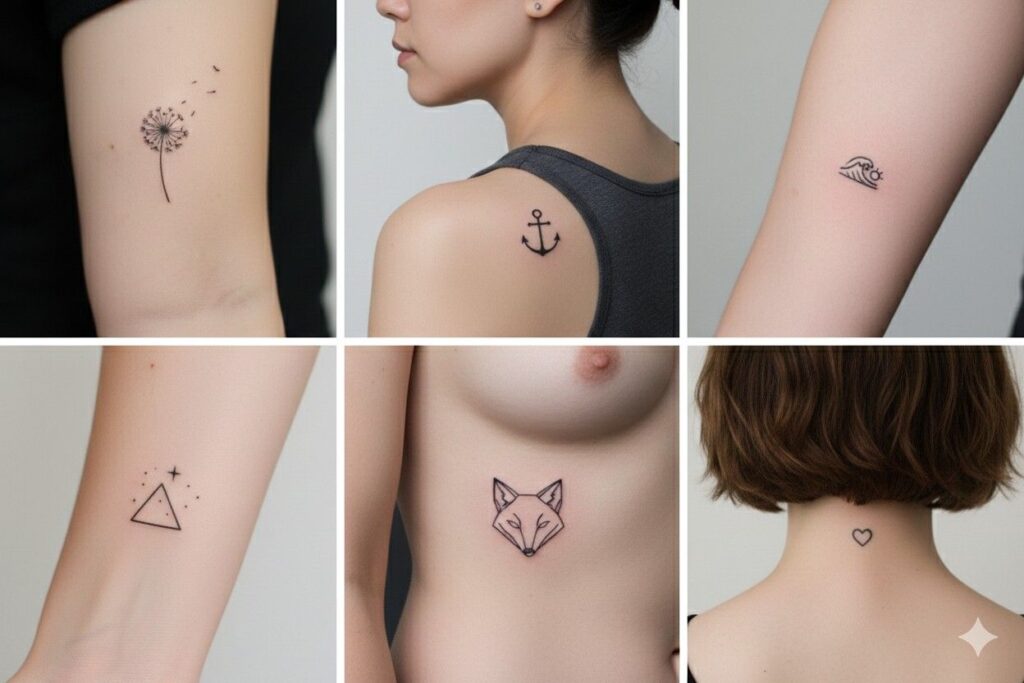
Small tattoos are tattoo designs that cover approximately 1 to 5 square inches of skin and maintain clear visibility with limited detail. Small tattoo designs include initials, short words, symbols, dates, minimal florals, and simple geometric forms.
Medium Tattoos
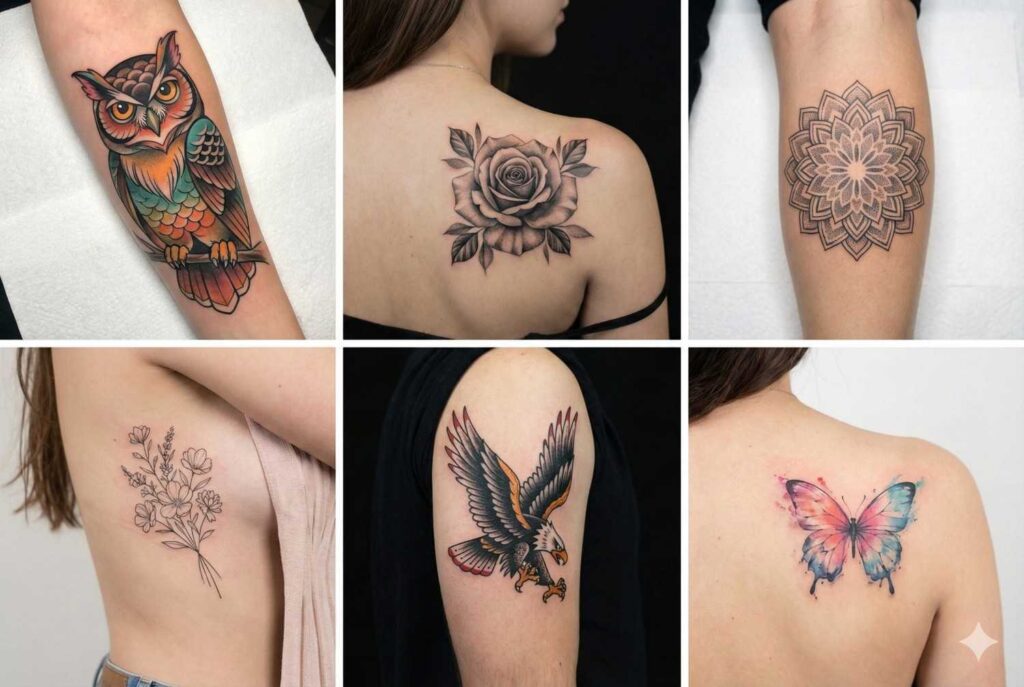
Medium tattoos are tattoo designs that cover roughly 5 to 20 square inches of skin and allow moderate detail, shading, and compositional balance. Medium tattoo designs include flowers, animals, mandalas, script combinations, and illustrative motifs.
Large Tattoos
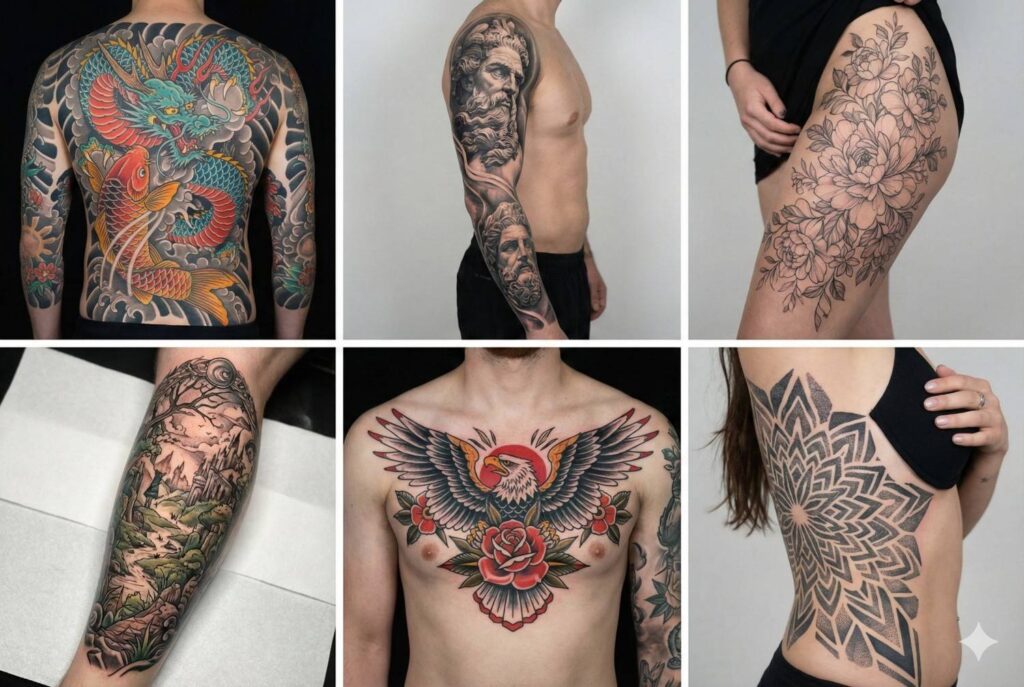
Large tattoos are tattoo designs that cover more than 20 square inches of skin and support complex imagery, layered shading, and multiple visual elements. Large tattoo designs include half sleeves, thigh pieces, shoulder panels, and chest tattoos.
Extra-Large Tattoos
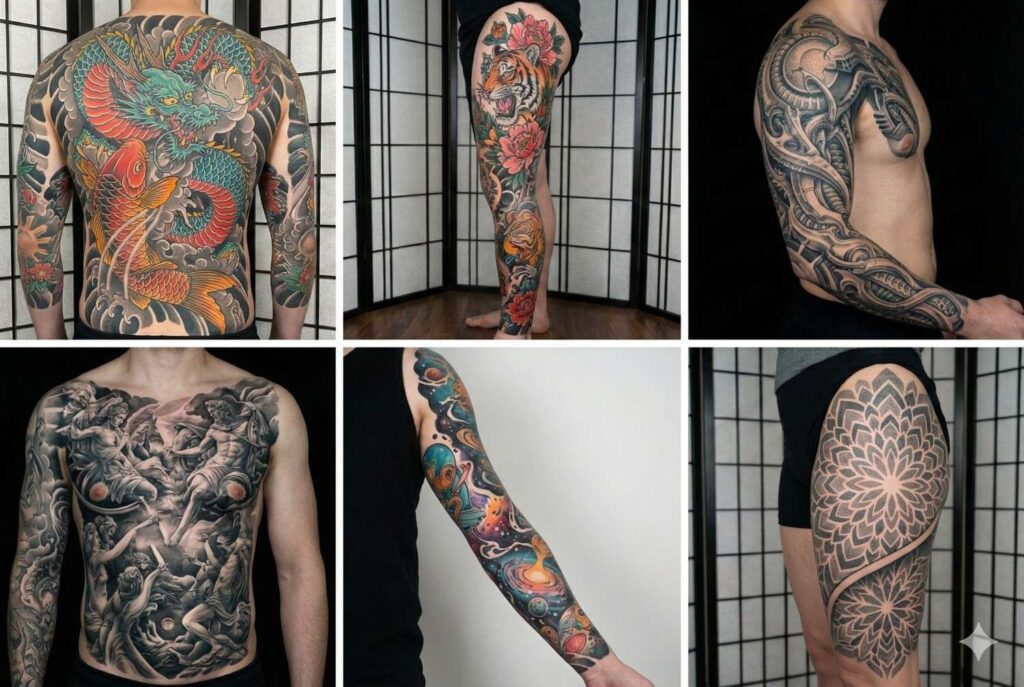
Extra-large tattoos are tattoo designs that span major body sections and exceed standard large tattoo dimensions. Extra-large tattoo designs include back pieces, torso panels, extended leg tattoos, and multi-section compositions.
Full-Coverage Tattoos
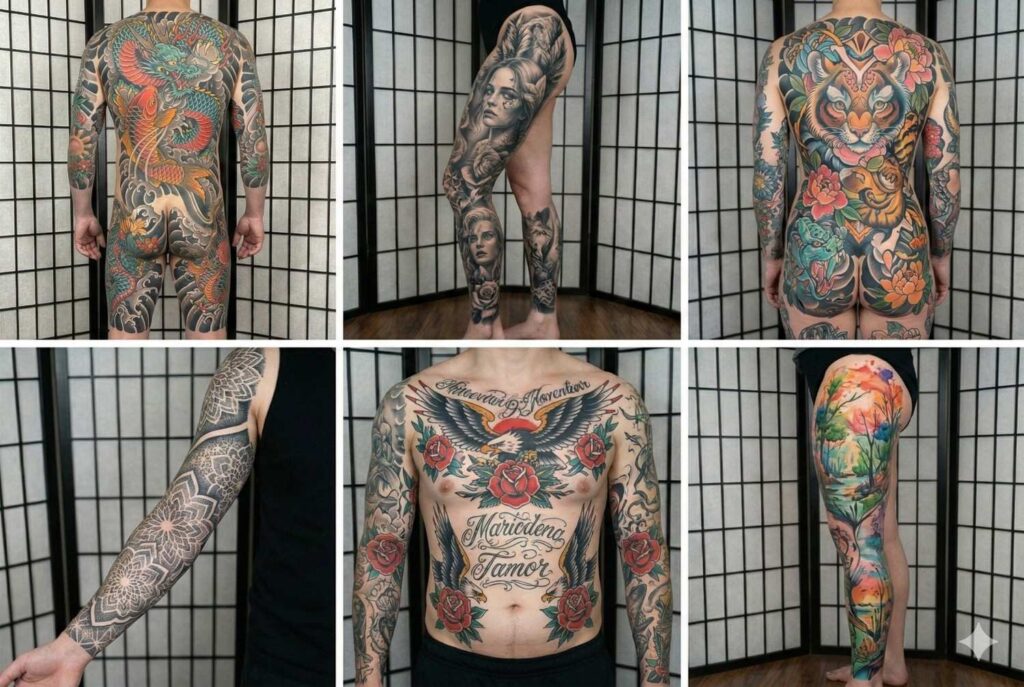
Full-coverage tattoos are tattoo designs that cover entire body regions such as full sleeves, full backs, full legs, or full torso areas. Full-coverage tattoo designs integrate multiple elements into a continuous visual structure across the skin.
What are the Types of Tattoos by Placement (Body Area)?
The types of tattoos by placement are classified by the specific body areas where tattoo designs are applied, including head, neck, face, chest, back, arms, hands, torso, hips, legs, feet, and full-body areas and genital, with each placement defined by skin surface, visibility level, movement frequency, and anatomical structure. Tattoo placement classification explains where tattoos exist on the body.
Head Tattoos
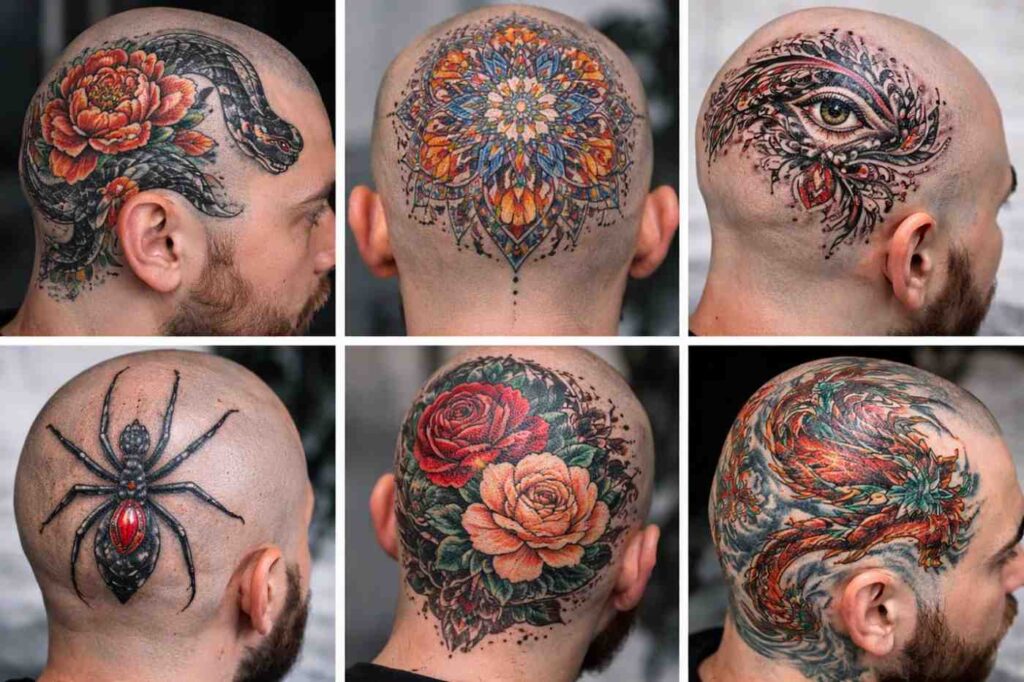
Head tattoos are tattoo designs placed on the scalp or shaved head areas with curved bone structure and limited skin elasticity. Head tattoo placements include full scalp tattoos, side scalp tattoos, and crown tattoos requiring simplified line structure.
Face Tattoos
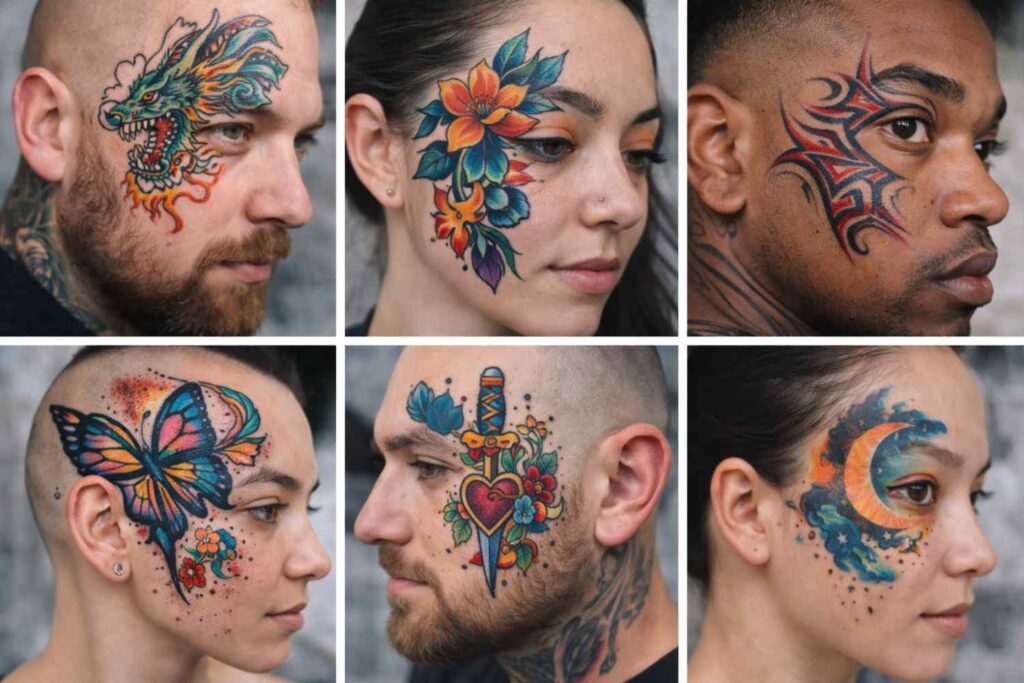
Face tattoos are tattoo designs applied to facial skin areas with constant movement and thin tissue layers. Face tattoo placements include eyebrow tattoos, temple tattoos, cheek tattoos, under-eye tattoos, and facial symbol tattoos executed at small scale.
Neck Tattoos
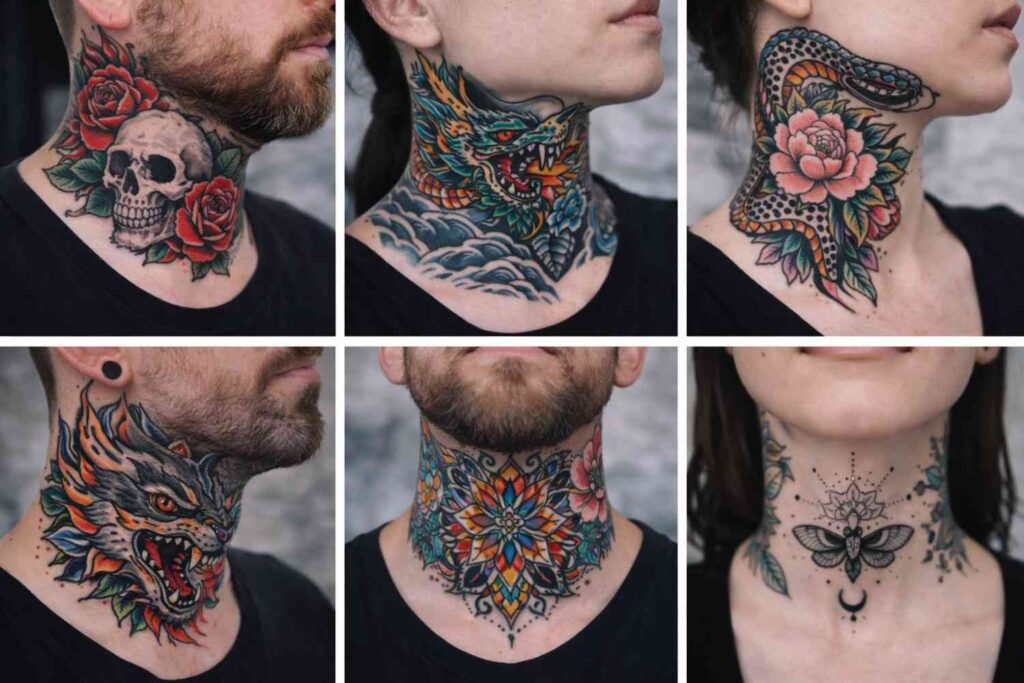
Neck tattoos are tattoo designs positioned on front, side, or back neck areas with high visibility and moderate curvature. Neck tattoo placements include throat tattoos, side-neck tattoos, and nape tattoos following vertical body lines.
Chest Tattoos
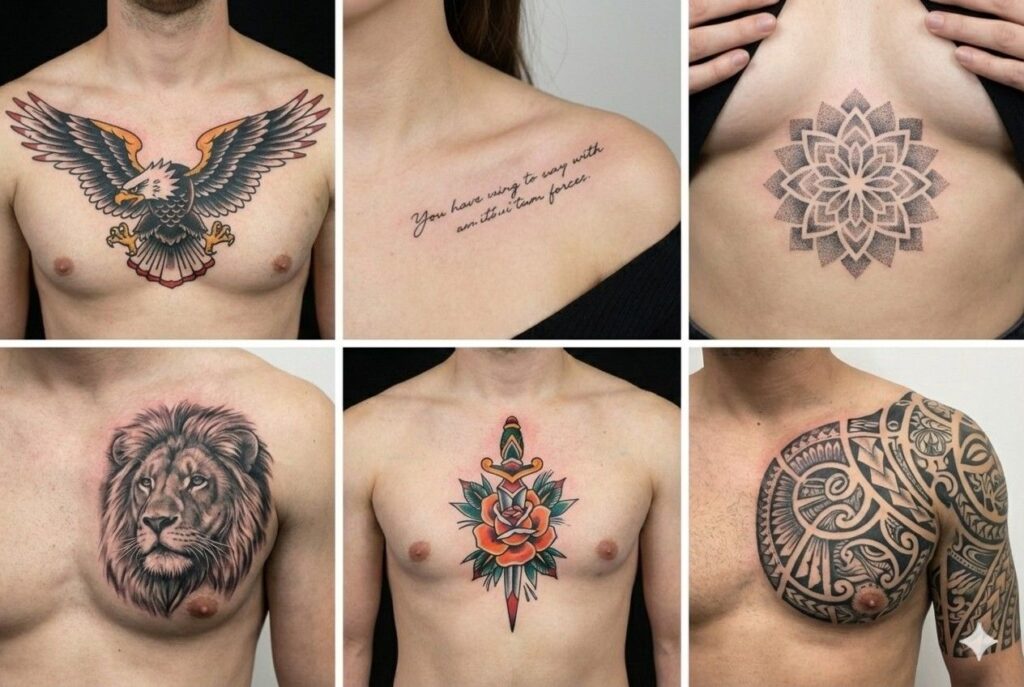
Chest tattoos are tattoo designs placed across the pectoral region with wide horizontal surface and symmetry potential. Chest tattoo placements include sternum tattoos, collarbone tattoos, center chest tattoos, and full chest panels.
Back Tattoos
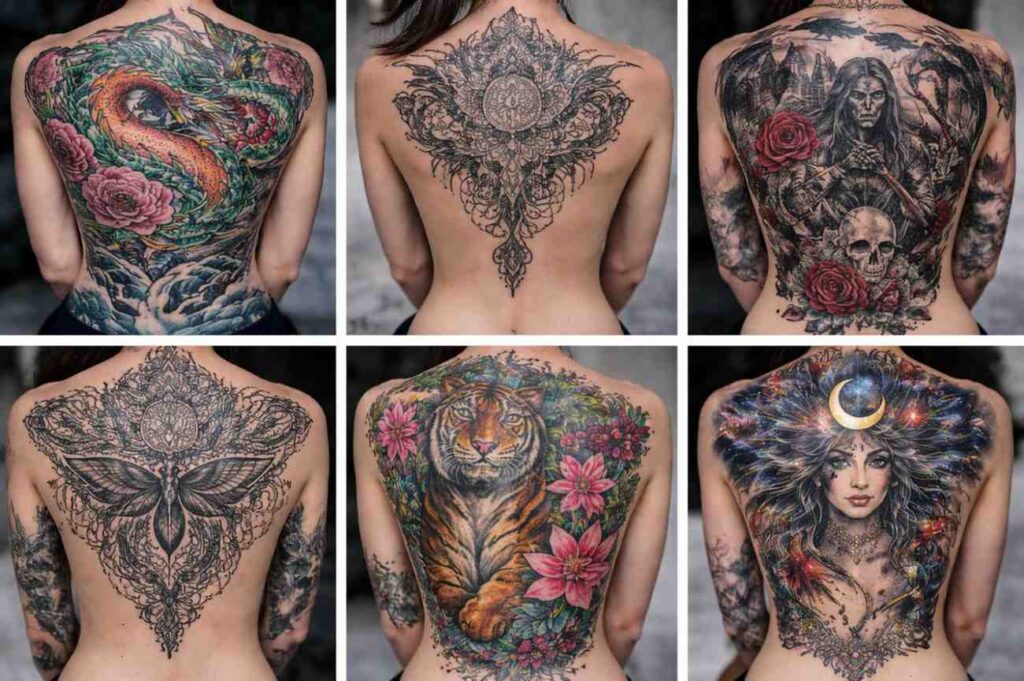
Back tattoos are tattoo designs applied to the largest flat body surface supporting complex and large-scale compositions. Back tattoo placements include upper back tattoos, lower back tattoos, spine tattoos, shoulder blade tattoos, and full back pieces.
Shoulder Tattoos
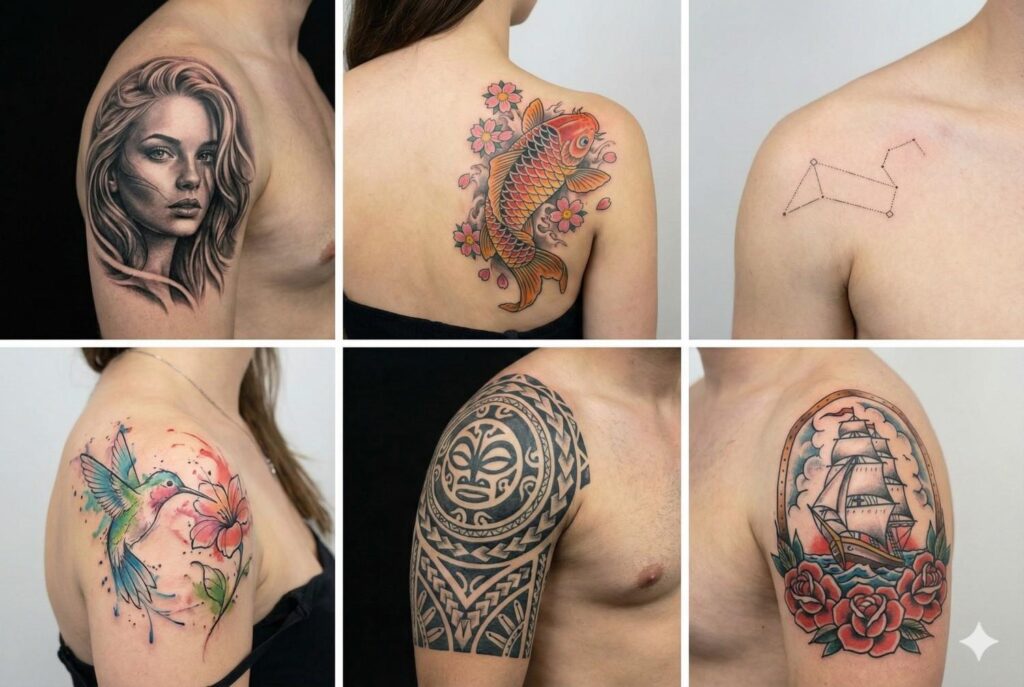
Shoulder tattoos are tattoo designs positioned on rounded upper-body areas allowing balanced medium to large compositions. Shoulder tattoo placements include shoulder cap tattoos and upper deltoid tattoos.
Arm Tattoos
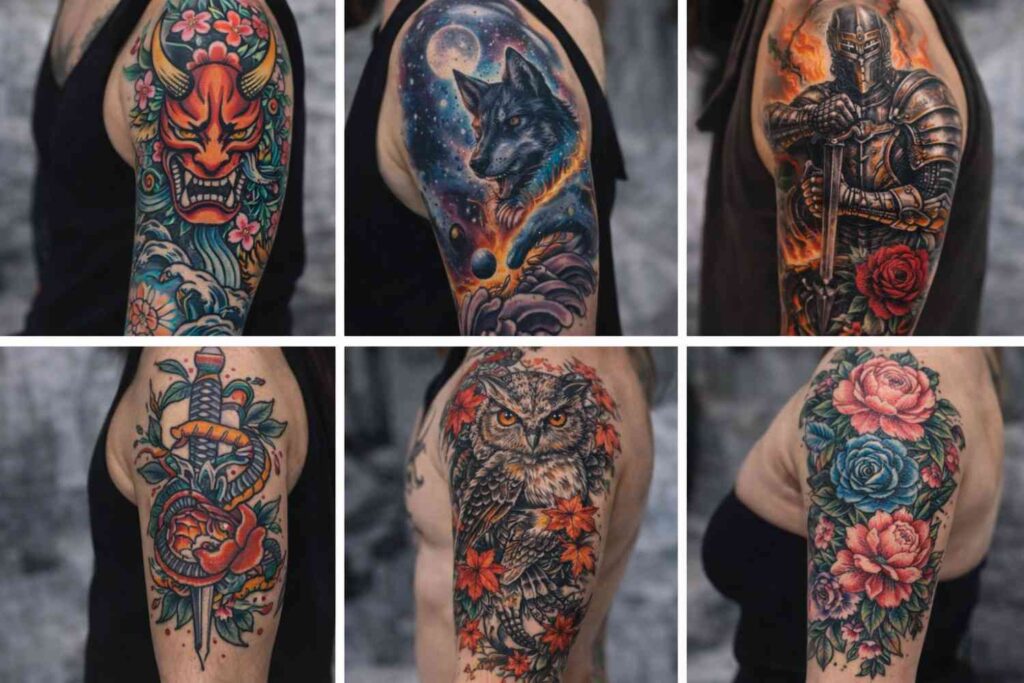
Arm tattoos are tattoo designs placed along cylindrical limb surfaces suitable for vertical and wrap-around layouts. Arm tattoo placements include upper arm tattoos, forearm tattoos, inner arm tattoos, outer arm tattoos, and armband tattoos.
Sleeve Tattoos
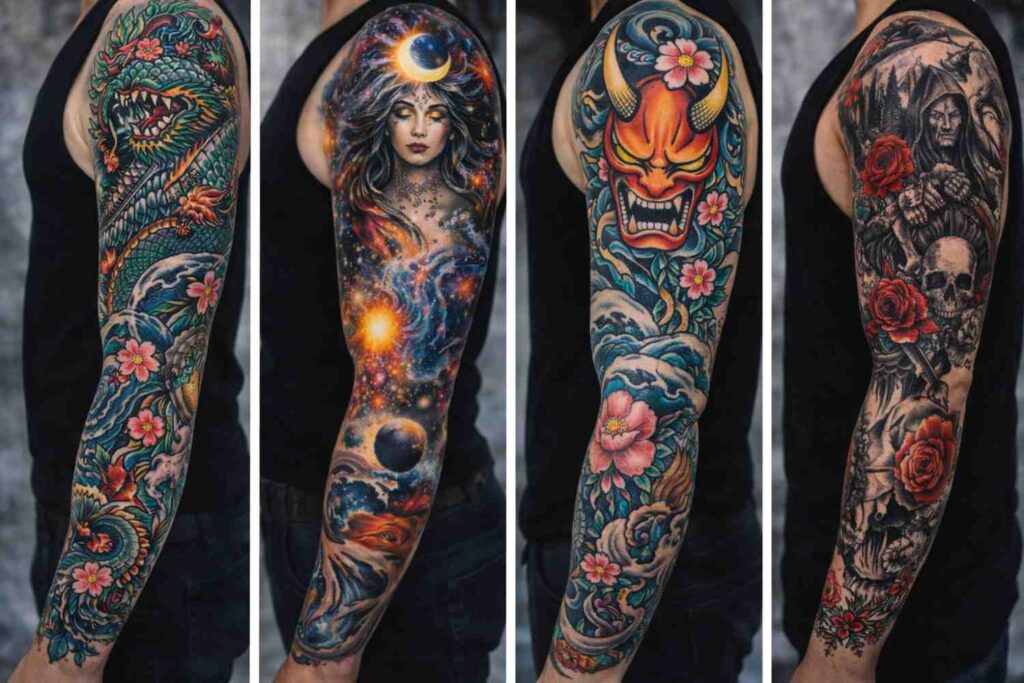
Sleeve tattoos are tattoo designs covering a significant portion or the entire arm in a continuous visual flow. Sleeve tattoo placements include quarter sleeve tattoos, half sleeve tattoos, three-quarter sleeve tattoos, and full sleeve tattoos.
Hand Tattoos
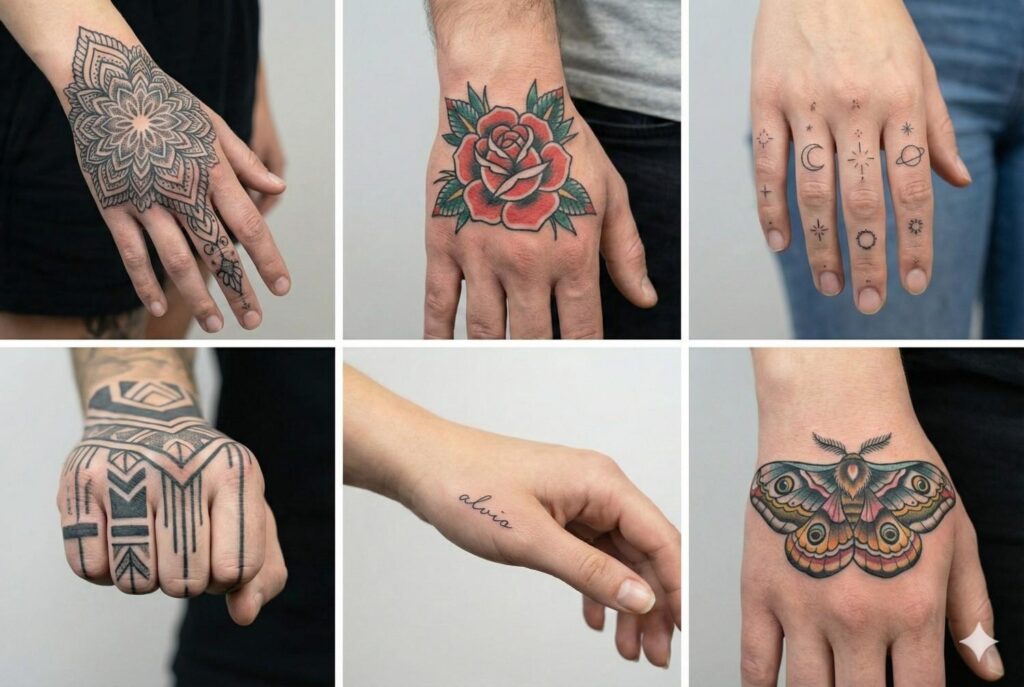
Hand tattoos are tattoo designs applied to high-movement areas with limited skin surface. Hand tattoo placements include finger tattoos, knuckle tattoos, palm tattoos, and back-of-hand tattoos requiring minimal detail.
Rib Tattoos
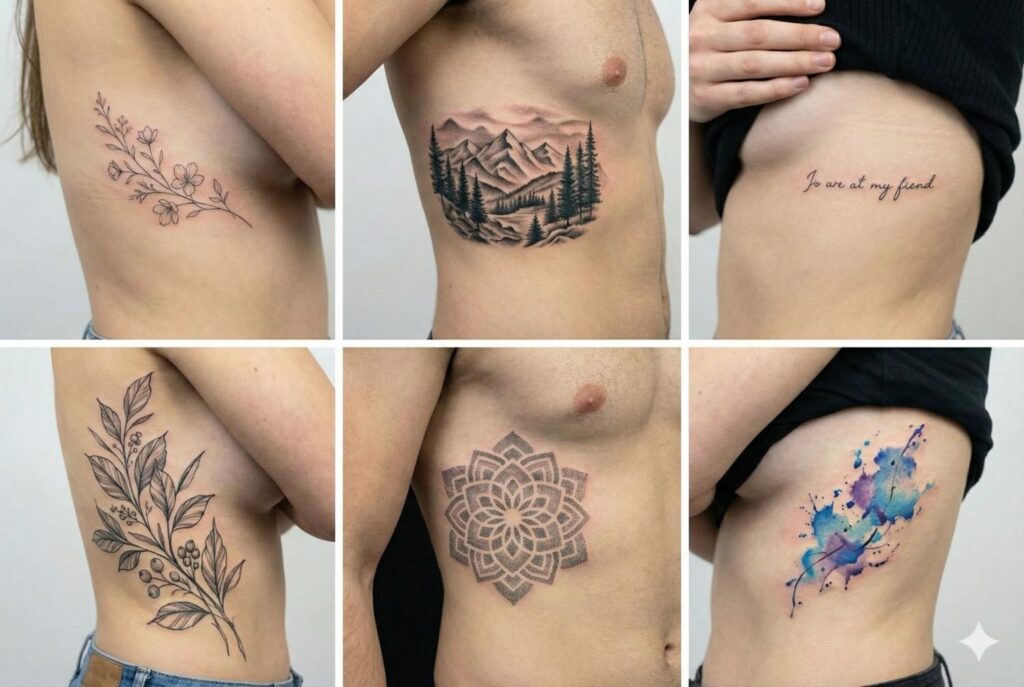
Rib tattoos are tattoo designs positioned along the rib cage following elongated vertical body lines. Rib tattoo placements include side rib tattoos and under-breast tattoos with narrow design width.
Stomach Tattoos
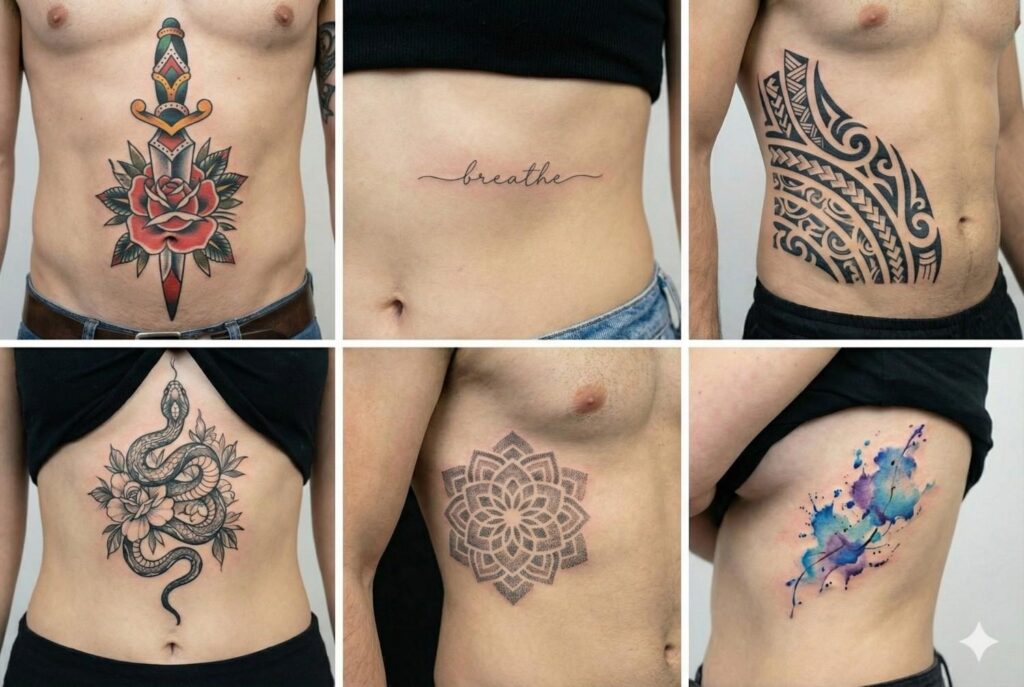
Stomach tattoos are tattoo designs placed on abdominal areas with flexible skin and moderate surface size. Stomach tattoo placements include upper abdomen tattoos, lower abdomen tattoos, and navel-centered tattoos.
Hip Tattoos
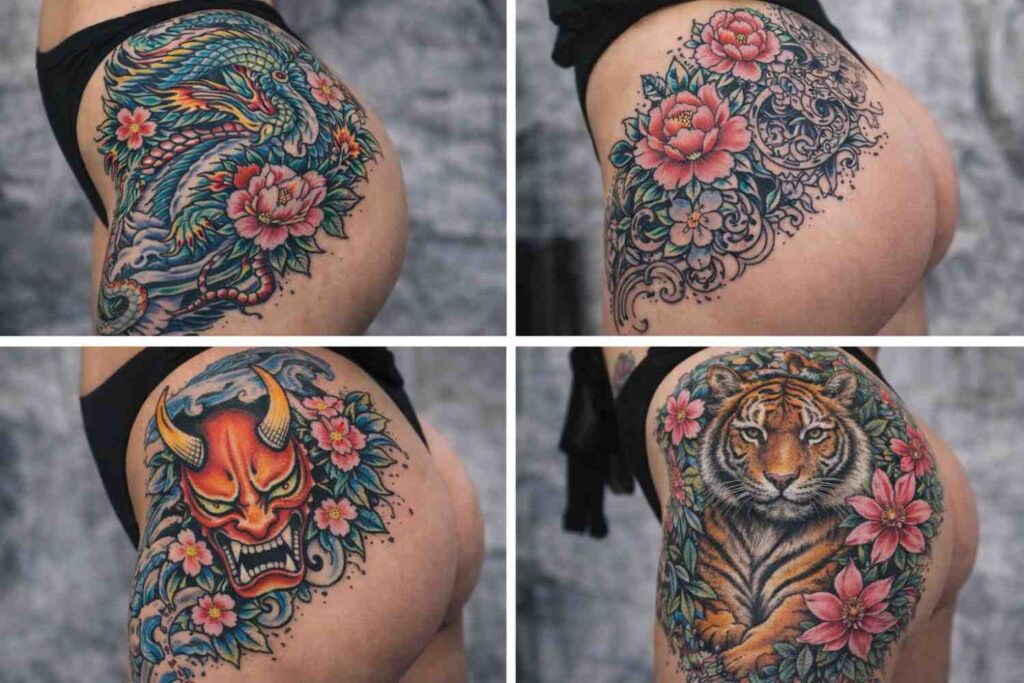
Hip tattoos are tattoo designs located along curved lateral body contours emphasizing horizontal or diagonal flow. Hip tattoo placements include hip bone tattoos and side waist tattoos.
Leg Tattoos
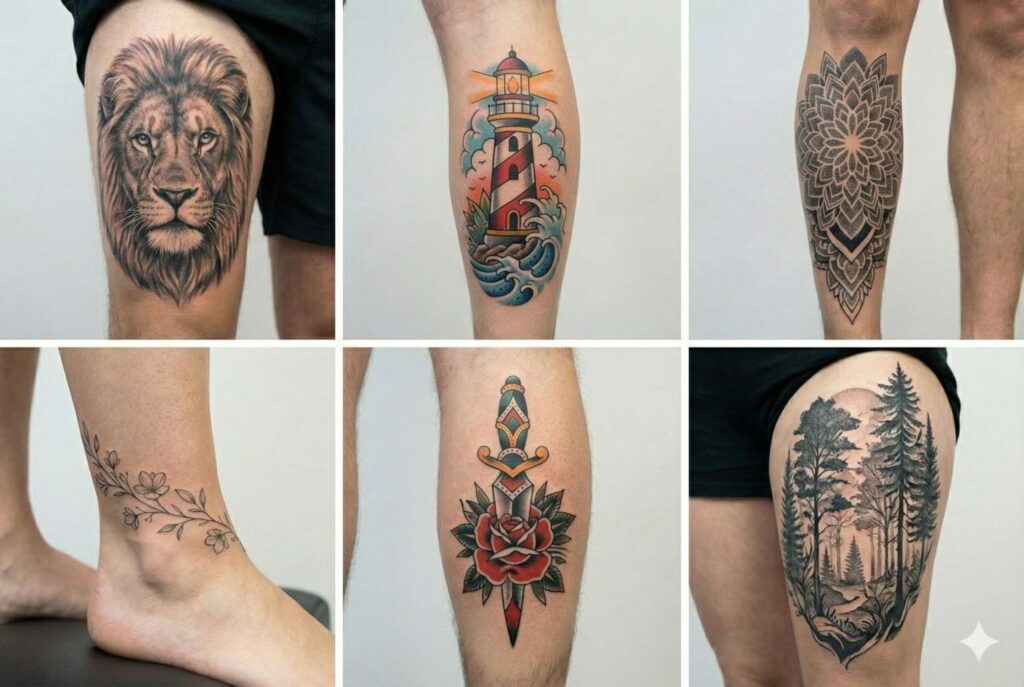
Leg tattoos are tattoo designs placed on long vertical body surfaces supporting varied scale and detail. Leg tattoo placements include thigh tattoos, calf tattoos, shin tattoos, knee tattoos, and back-of-leg tattoos.
Ankle Tattoos
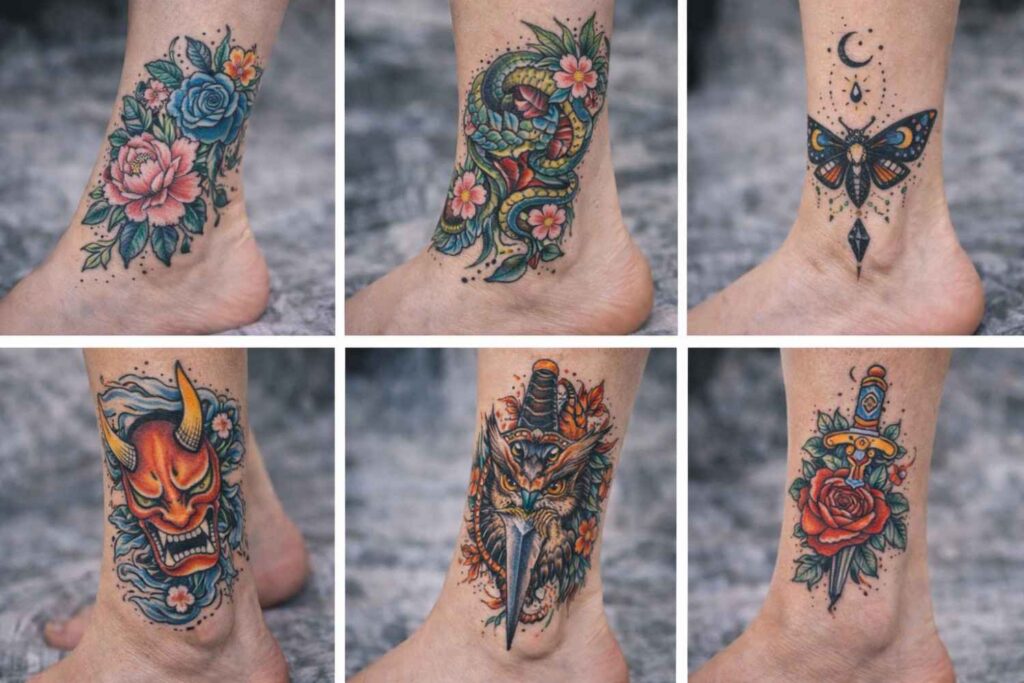
Ankle tattoos are tattoo designs applied near joint areas with compact surface and bone prominence. Ankle tattoo placements include inner ankle tattoos, outer ankle tattoos, and Achilles-area tattoos.
Foot Tattoos
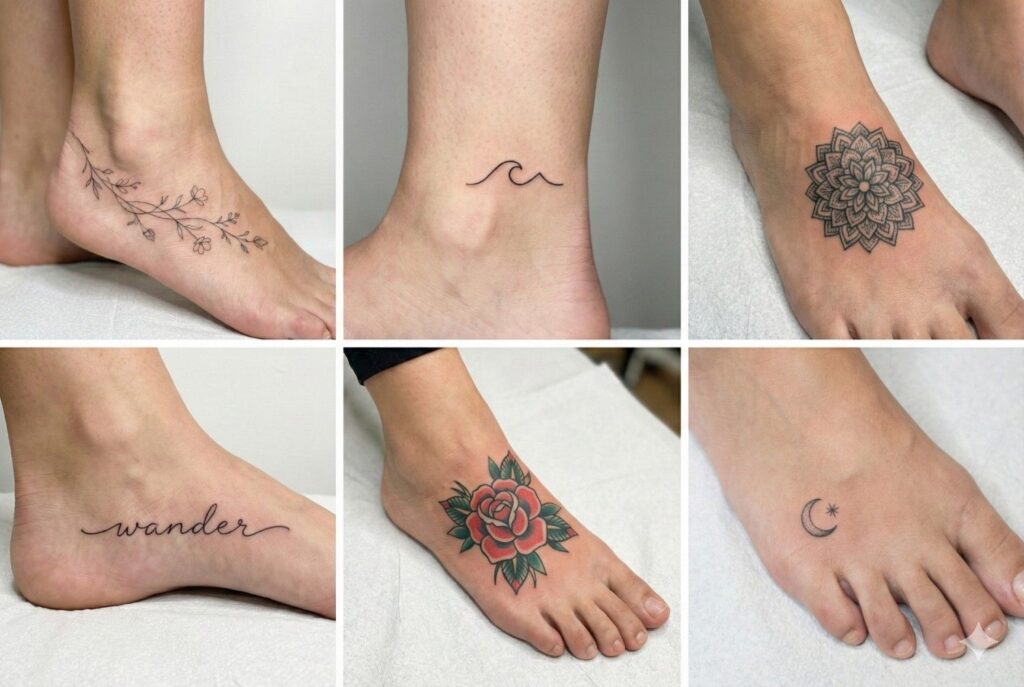
Foot tattoos are tattoo designs placed on the top, side, or heel of the foot with high movement exposure. Foot tattoo placements include top-of-foot tattoos, side-foot tattoos, and heel tattoos.
Full-Body Tattoos
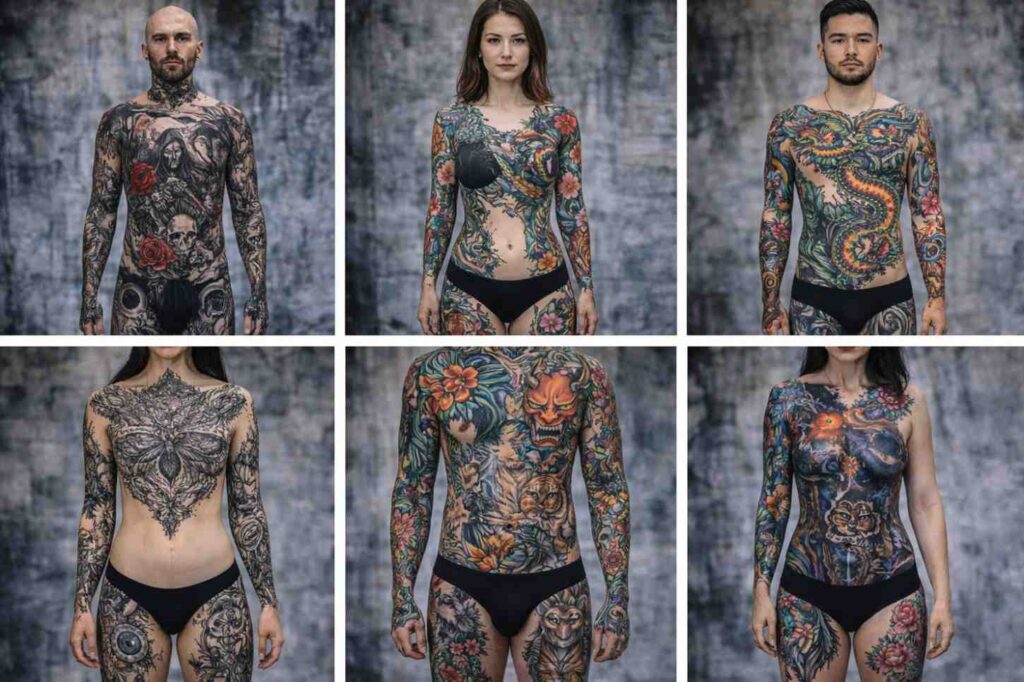
Full-body tattoos are tattoo designs spanning multiple body areas in a unified continuous composition. Full-body tattoo placements include bodysuits, interconnected torso-leg designs, and multi-region tattoo coverage.
Genital Tattoos
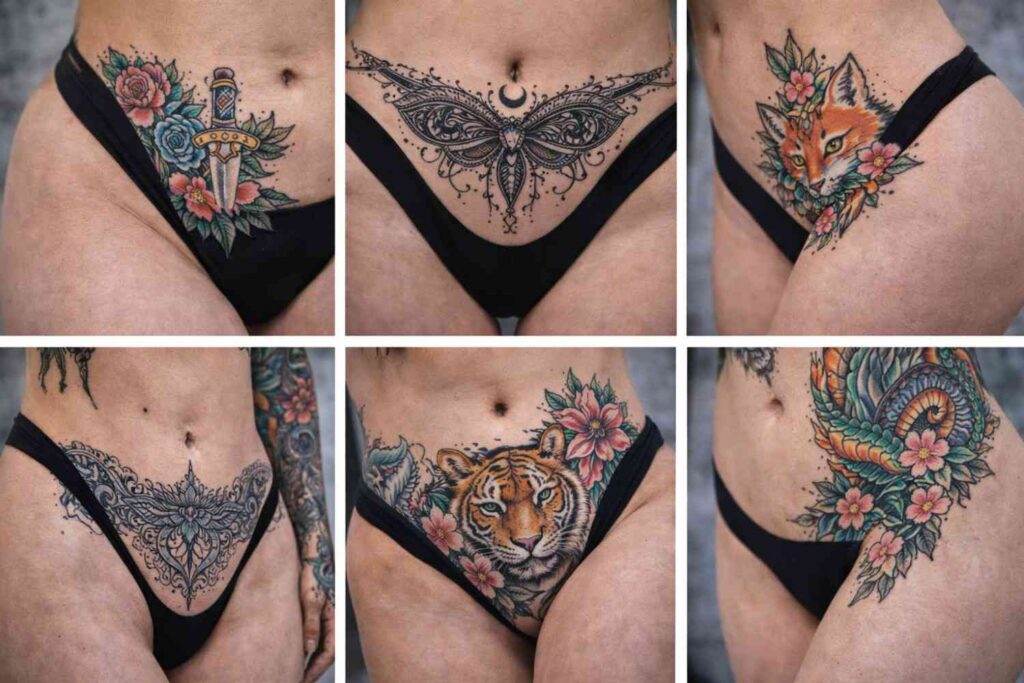
Genital tattoos are a type of tattoo placed on the sensitive skin of the genital area, such as the penis, scrotum, pubic region, vulva, or outer labia. This form of tattooing has ancient origins, like Samoan scrotum tattooing. In modern times, genital tattoos are done for personal reasons such as erotic expression, symbolic meanings, or to complete full-body tattoo designs.
What are the Types of Tattoos by Style / Art Form?
The types of tattoos by style or art form are traditional, neo-traditional, realism, hyperrealism, blackwork, fine line, minimalist, watercolor, abstract, geometric, tribal, Japanese, script, calligraphy, illustrative, and surrealism tattoos, each defined by distinct visual execution, line structure, shading behavior, and color usage. Tattoo style classification explains how tattoo art is visually constructed rather than tattoo meaning or placement.
Traditional Tattoo Style
Traditional tattoo style uses thick black outlines, flat color fills, and a limited color range dominated by red, yellow, green, and black ink. Traditional tattoo designs include anchors, roses, daggers, skulls, pin-up figures, and eagles with simplified shading and high contrast.
Neo-Traditional Tattoo Style
Neo-traditional tattoo style expands traditional tattoo visuals by increasing shading depth, decorative detail, and color variation while maintaining bold outlines. Neo-traditional tattoo designs commonly feature animals, portraits, and floral compositions with enhanced dimensionality.
Realism Tattoo Style
Realism tattoo style reproduces photographic subjects using accurate proportions, smooth tonal gradients, and controlled contrast. Realism tattoo designs include portraits, animals, landscapes, and objects rendered with lifelike visual precision.
Hyperrealism Tattoo Style
Hyperrealism tattoo style intensifies realism tattoo execution through extreme detail density, surface texture replication, and heightened depth perception. Hyperrealism tattoo designs emphasize pores, reflections, wrinkles, and three-dimensional realism.
Blackwork Tattoo Style
Blackwork tattoo style uses only black ink to create high-contrast designs through solid fills, dense linework, and negative space. Blackwork tattoo designs include symbols, ornamental patterns, and large-scale visual compositions.
Fine Line Tattoo Style
Fine line tattoo style relies on very thin, precise lines created with small needle groupings and minimal shading. Fine line tattoo designs include delicate florals, symbols, and subtle illustrative elements.
Minimalist Tattoo Style
Minimalist tattoo style reduces tattoo design to simplified shapes, minimal lines, and limited visual elements. Minimalist tattoo designs focus on clarity, spacing, and restrained form.
Watercolor Tattoo Style
Watercolor tattoo style imitates watercolor painting using blended pigments, soft gradients, and fluid color diffusion without heavy outlines. Watercolor tattoo designs emphasize movement and painterly expression.
Abstract Tattoo Style
Abstract tattoo style represents concepts through non-literal shapes, color placement, and free-flowing composition. Abstract tattoo designs prioritize artistic interpretation over realistic depiction.
Geometric Tattoo Style
Geometric tattoo style constructs designs using precise shapes, symmetry, and repeated pattern systems. Geometric tattoo designs include mandalas, line grids, and structured visual forms.
Tribal Tattoo Style
Tribal tattoo style features bold black patterns derived from indigenous cultural design traditions. Tribal tattoo designs communicate identity and symbolism through repetitive line structures.
Japanese Tattoo Style
Japanese tattoo style follows traditional Irezumi principles using large-scale compositions featuring koi fish, dragons, warriors, and floral imagery. Japanese tattoo designs emphasize flow, balance, and symbolic storytelling.
Script Tattoo Style
Script tattoo style presents words or phrases using stylized lettering such as cursive, serif, or calligraphic forms. Script tattoo designs focus on spacing accuracy and long-term readability.
Calligraphy Tattoo Style
Calligraphy tattoo style applies expressive handwriting techniques using controlled stroke contrast and decorative letterforms. Calligraphy tattoo designs emphasize artistic lettering structure.
Illustrative Tattoo Style
Illustrative tattoo style combines drawing and illustration techniques to create tattoo designs with visible line quality and artistic character. Illustrative tattoo designs remain intentionally stylized rather than photorealistic.
Surrealism Tattoo Style
Surrealism tattoo style blends realistic elements with dream-like, symbolic, or distorted imagery. Surrealism tattoo designs emphasize conceptual contrast and imaginative visual narratives.
What are the Types of Tattoos by Meaning / Purpose?
The types of tattoos by meaning or purpose are symbolic tattoos, memorial tattoos, cultural tattoos, spiritual tattoos, identity tattoos, commemorative tattoos, aesthetic tattoos, protective tattoos, healing tattoos, and storytelling tattoos, each defined by intention, emotional function, or social significance rather than size, style, or placement. Tattoo meaning classification explains why tattoos are chosen.
Symbolic Tattoos
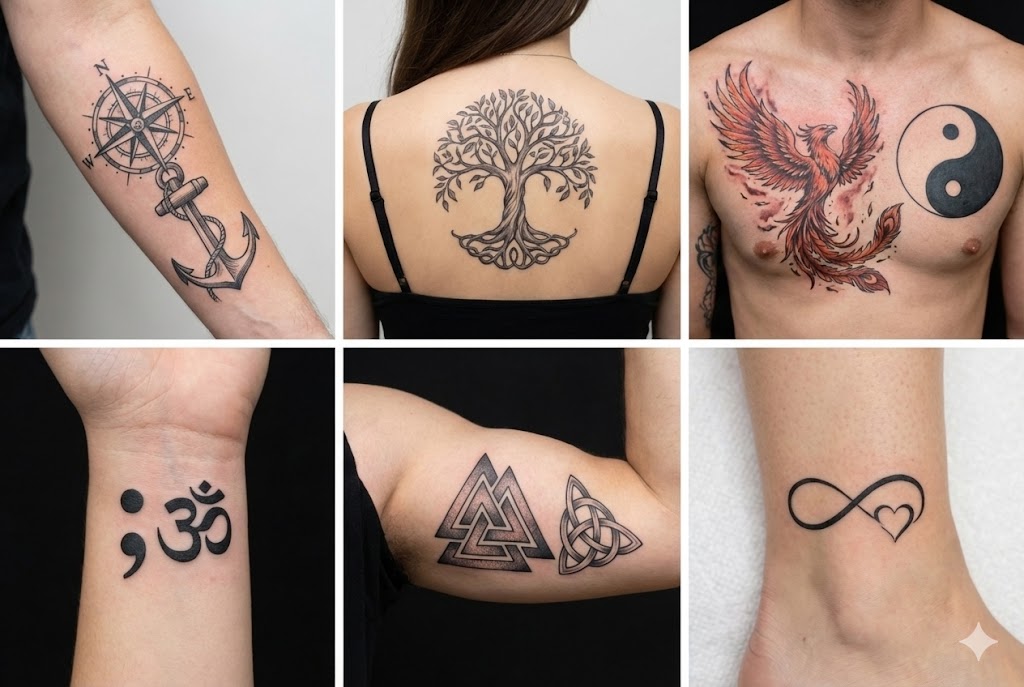
Symbolic tattoos communicate abstract ideas or values using widely recognized symbols. Symbolic tattoo examples include infinity symbols for continuity, anchors for stability, hearts for affection, and arrows for direction, with meaning derived from shared cultural interpretation.
Memorial Tattoos
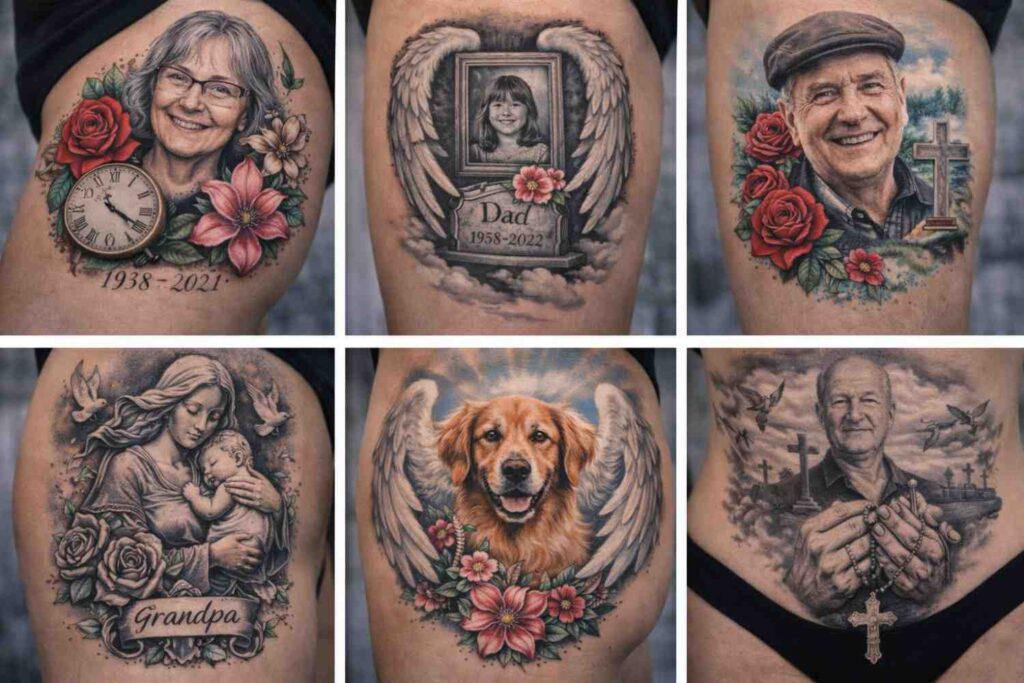
Memorial tattoos preserve remembrance of deceased individuals through permanent visual markers. Memorial tattoo examples include names, birth–death dates, portraits, handwriting samples, and symbolic objects connected to personal memory.
Cultural Tattoos
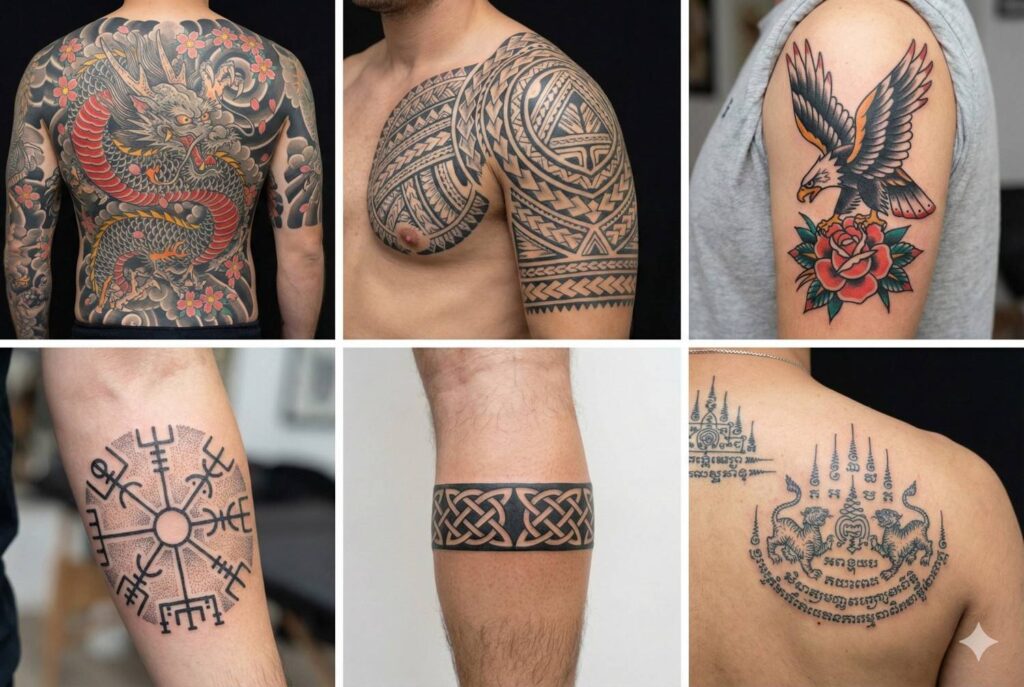
Cultural tattoos express heritage, ancestry, and collective identity through traditional visual systems. Cultural tattoo examples include Polynesian tatau patterns, Māori moko motifs, Celtic knotwork, and indigenous lineage markings tied to social status.
Spiritual Tattoos
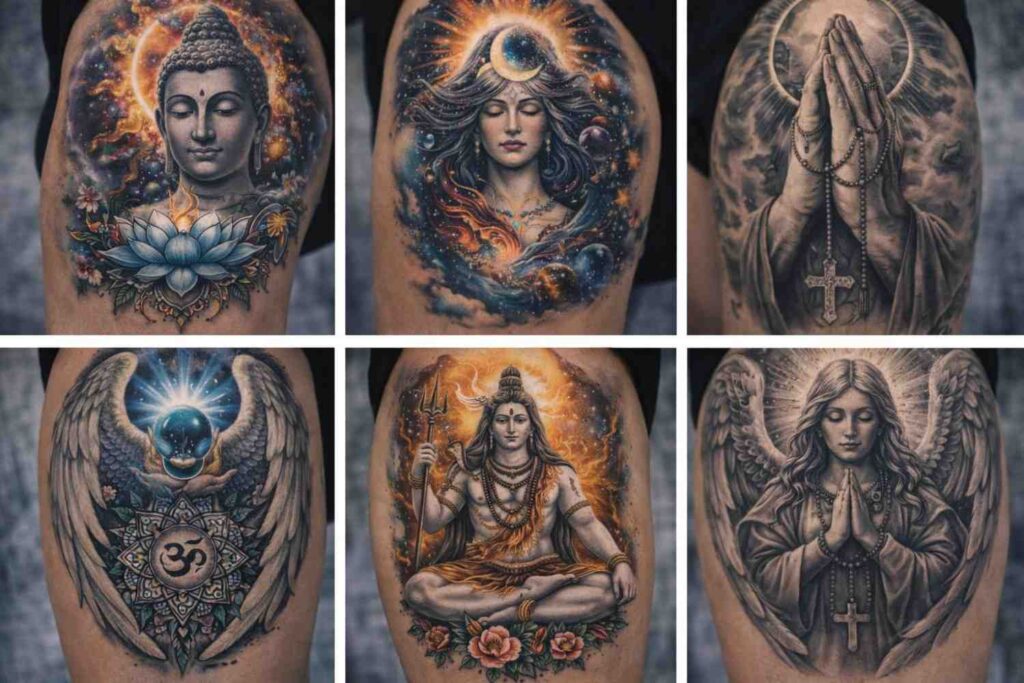
Spiritual tattoos represent belief systems, faith practices, or metaphysical concepts using sacred imagery. Spiritual tattoo examples include mandalas, chakras, crosses, deities, prayer symbols, and sacred geometric forms linked to spiritual traditions.
Identity Tattoos
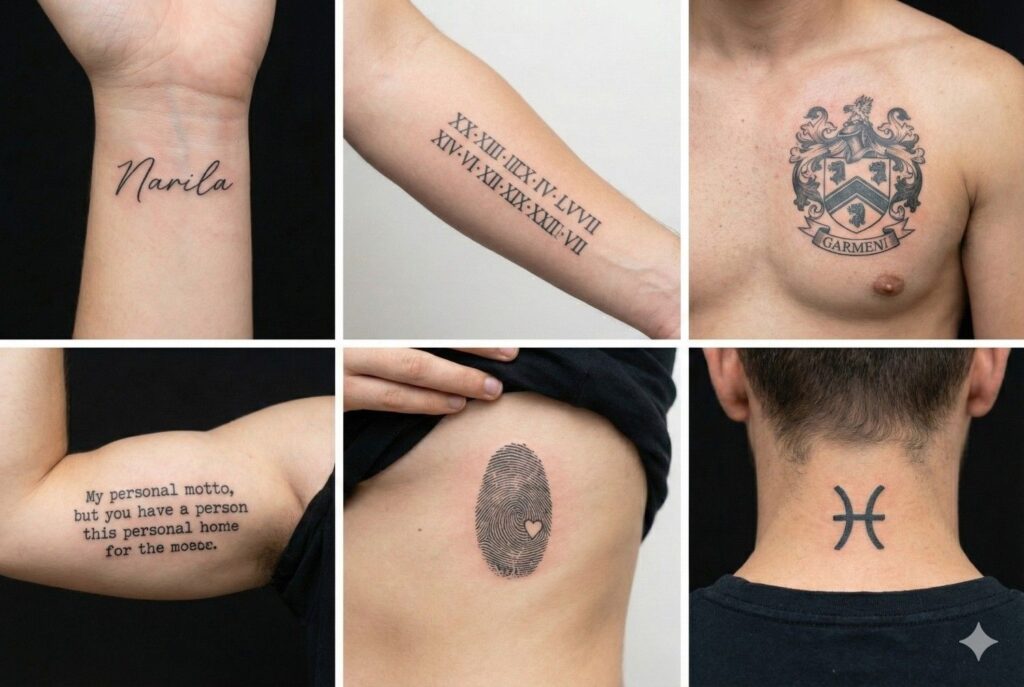
Identity tattoos communicate personal self-definition, roles, or core characteristics. Identity tattoo examples include zodiac signs, gender symbols, profession-related imagery, initials, and personal emblems associated with self-representation.
Commemorative Tattoos
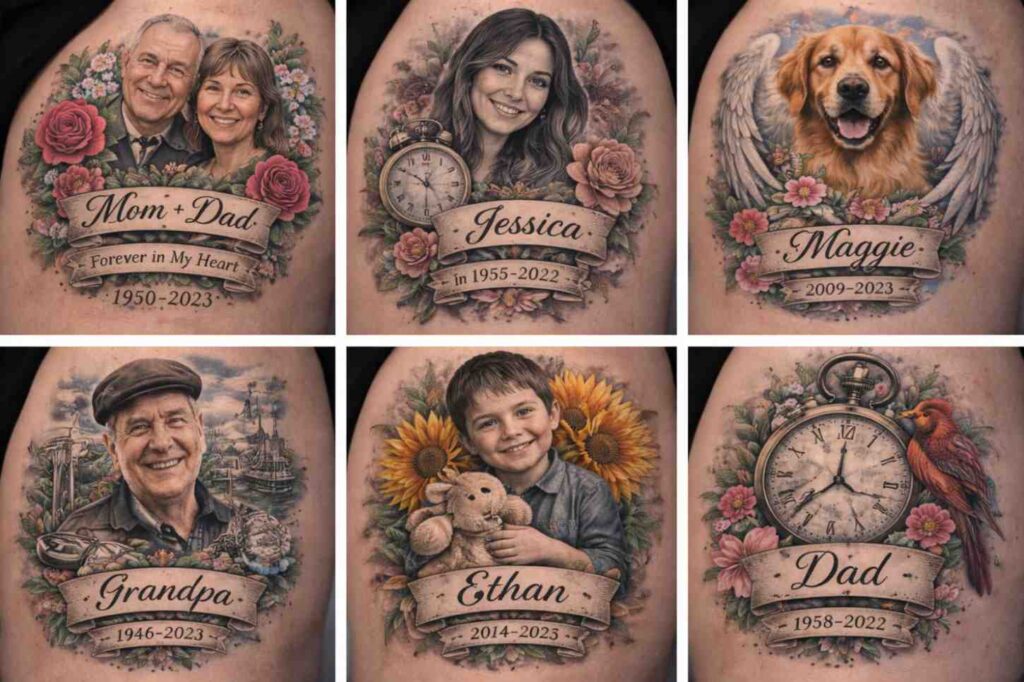
Commemorative tattoos mark significant life events, milestones, or achievements through permanent symbols. Commemorative tattoo examples include graduation years, recovery dates, childbirth symbols, marriage dates, and achievement icons.
Aesthetic Tattoos
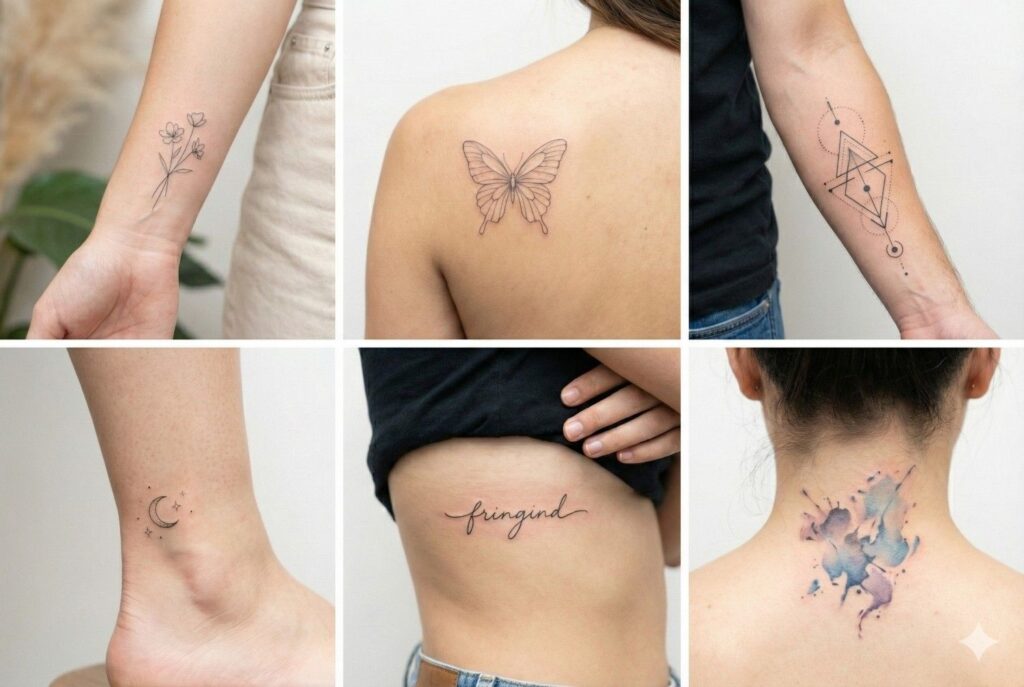
Aesthetic tattoos prioritize visual appeal without assigned symbolic meaning. Aesthetic tattoo examples include decorative florals, ornamental patterns, abstract shapes, and artistic designs selected for visual harmony.
Protective Tattoos
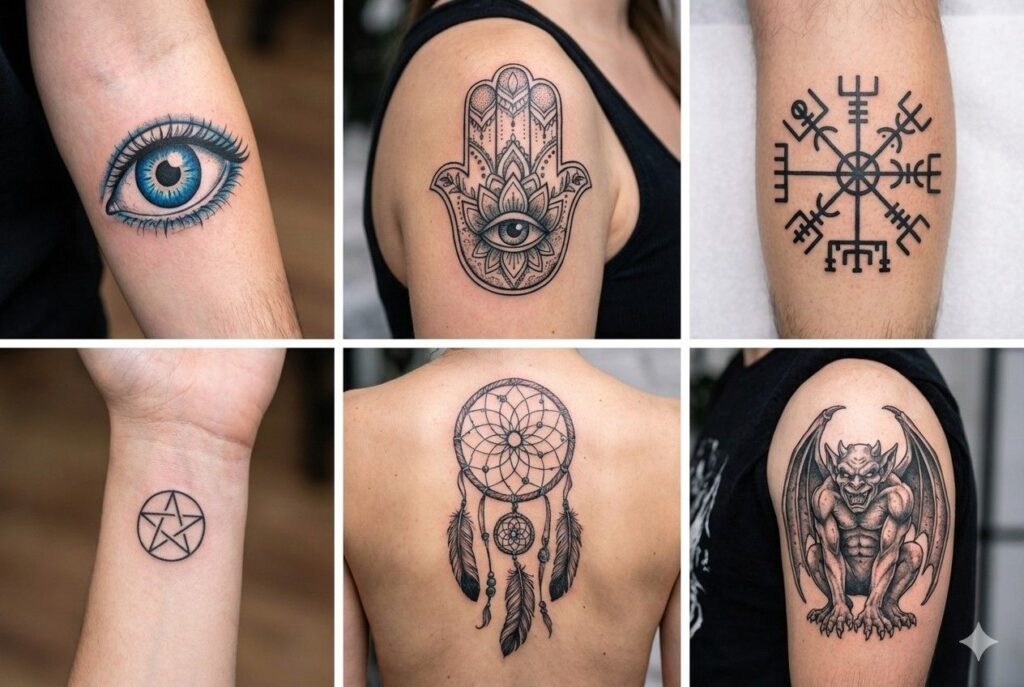
Protective tattoos symbolize safety, strength, or guardianship based on cultural or spiritual belief systems. Protective tattoo examples include talismans, eyes, animal symbols, runes, and protective geometric patterns.
Healing Tattoos
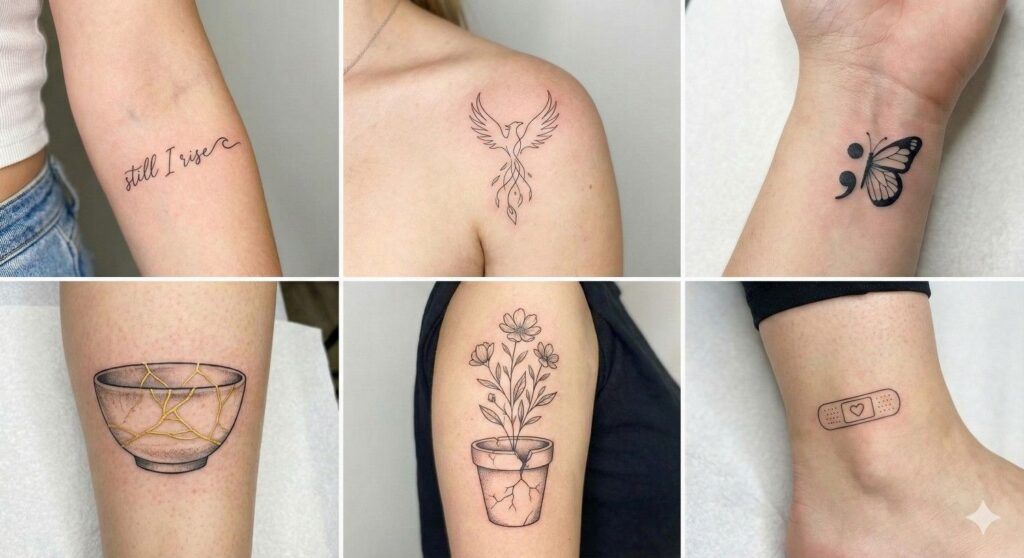
Healing tattoos support emotional recovery, trauma processing, or body reclamation through symbolic marking. Healing tattoo examples include scar-covering designs, survival symbols, recovery dates, and empowerment imagery.
Storytelling Tattoos
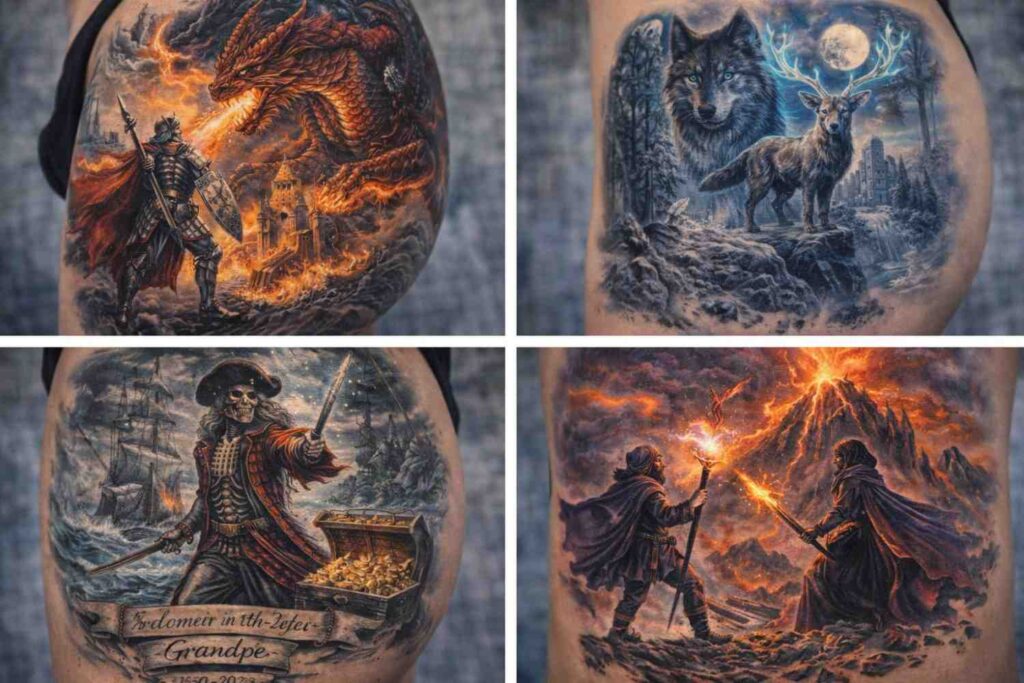
Storytelling tattoos narrate personal life experiences or transformations through connected visual elements. Storytelling tattoo examples combine multiple symbols into a cohesive sequence representing life phases or journeys.
What are the Types of Tattoos by Theme / Subject?
The types of tattoos by theme or subject are nature, animal, floral, portrait, religious, spiritual, mythological, cultural, geometric, abstract, text, calligraphy, symbolic, memorial, fantasy, pop culture, nautical, celestial, skull, biomechanical, horror, and minimalist subject tattoos, each defined by the primary subject depicted rather than style, size, or placement. Tattoo theme classification explains what a tattoo visually represents.
Nature Tattoos
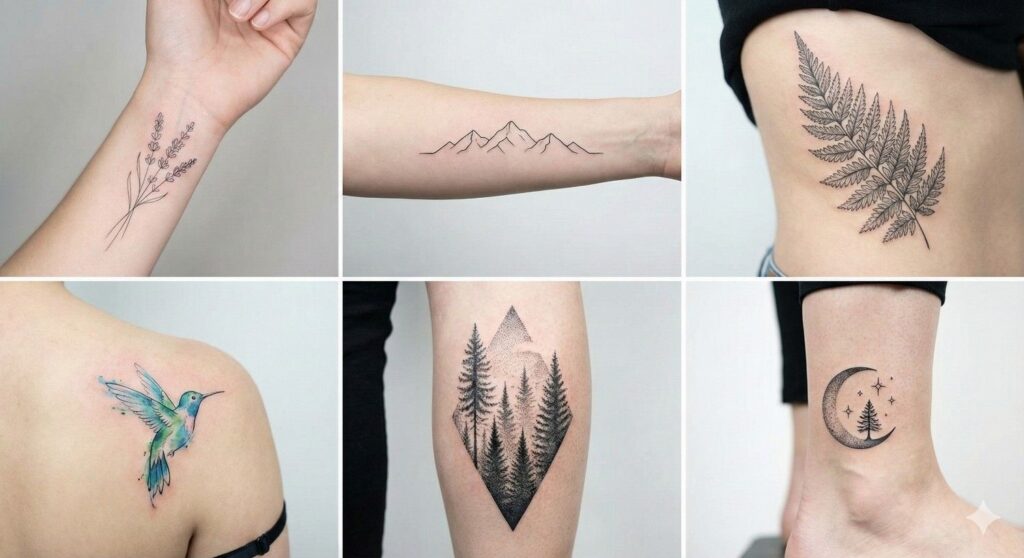
Nature tattoos depict natural elements as the central subject. Nature tattoo subjects include mountains, forests, oceans, rivers, trees, suns, moons, and stars representing natural cycles and environmental forms.
Animal Tattoos
Animal tattoos portray animals as the primary subject to convey species-associated traits. Animal tattoo subjects include lions, wolves, tigers, snakes, eagles, birds, butterflies, and insects.
Floral Tattoos
Floral tattoos use flowers and botanical forms as the main subject. Floral tattoo subjects include roses, lotus flowers, lilies, cherry blossoms, peonies, and sunflowers.
Portrait Tattoos
Portrait tattoos depict identifiable human faces as the dominant subject. Portrait tattoo subjects include family members, historical figures, artists, leaders, and cultural icons.
Religious Tattoos
Religious tattoos represent organized belief systems through sacred imagery. Religious tattoo subjects include crosses, angels, saints, prayer verses, Islamic calligraphy, Buddhist figures, and Hindu deities.
Spiritual Tattoos
Spiritual tattoos express metaphysical beliefs using symbolic imagery rather than organized religion. Spiritual tattoo subjects include mandalas, chakras, sacred geometry, enlightenment symbols, and third-eye imagery.
Mythological Tattoos
Mythological tattoos depict figures and stories from ancient myth systems. Mythological tattoo subjects include Greek gods, Norse warriors, Egyptian deities, phoenixes, dragons, and legendary heroes.
Cultural Tattoos
Cultural tattoos represent heritage and ancestry through culturally specific imagery. Cultural tattoo subjects include Polynesian patterns, Māori moko elements, Celtic knotwork, and indigenous symbols.
Geometric Tattoos
Geometric tattoos use shapes and mathematical forms as the primary subject. Geometric tattoo subjects include mandalas, tessellations, line grids, and symmetry-based patterns.
Abstract Tattoos
Abstract tattoos present non-representational forms as the central subject. Abstract tattoo subjects include free-flowing shapes, fragmented lines, and conceptual color compositions.
Text Tattoos
Text tattoos use written language as the main subject. Text tattoo subjects include names, dates, quotes, single words, phrases, and mantras.
Calligraphy Tattoos
Calligraphy tattoos focus on artistic lettering as the subject. Calligraphy tattoo subjects include ornate scripts, stylized alphabets, and expressive handwritten forms.
Symbolic Tattoos
Symbolic tattoos use icons to convey meaning through representation. Symbolic tattoo subjects include infinity symbols, compasses, arrows, eyes, hearts, and runes.
Memorial Tattoos
Memorial tattoos commemorate individuals or events as the subject. Memorial tattoo subjects include names, dates, portraits, handwriting samples, and remembrance symbols.
Fantasy Tattoos
Fantasy tattoos depict imaginary or supernatural subjects. Fantasy tattoo subjects include dragons, demons, angels, mythical creatures, and fictional worlds.
Pop Culture Tattoos
Pop culture tattoos reference modern media and entertainment subjects. Pop culture tattoo subjects include movie characters, television symbols, musicians, comics, and video game imagery.
Nautical Tattoos
Nautical tattoos depict maritime and sea-related subjects. Nautical tattoo subjects include anchors, ships, compasses, waves, lighthouses, and nautical stars.
Celestial Tattoos
Celestial tattoos represent astronomical subjects. Celestial tattoo subjects include planets, constellations, zodiac signs, suns, and moons.
Skull Tattoos
Skull tattoos use skull imagery as the primary subject. Skull tattoo subjects include human skulls, animal skulls, sugar skulls, and skeletal forms.
Biomechanical Tattoos
Biomechanical tattoos depict mechanical elements integrated with organic forms. Biomechanical tattoo subjects include gears, wires, pistons, and mechanical anatomy imagery.
Horror Tattoos
Horror tattoos represent dark or fear-based subjects. Horror tattoo subjects include monsters, gothic figures, folklore entities, and macabre scenes.
Minimalist Subject Tattoos
Minimalist subject tattoos present simplified subjects with reduced visual detail. Minimalist tattoo subjects include single-line icons, basic symbols, and minimal forms.
What are the Types of Tattoos by Technique?
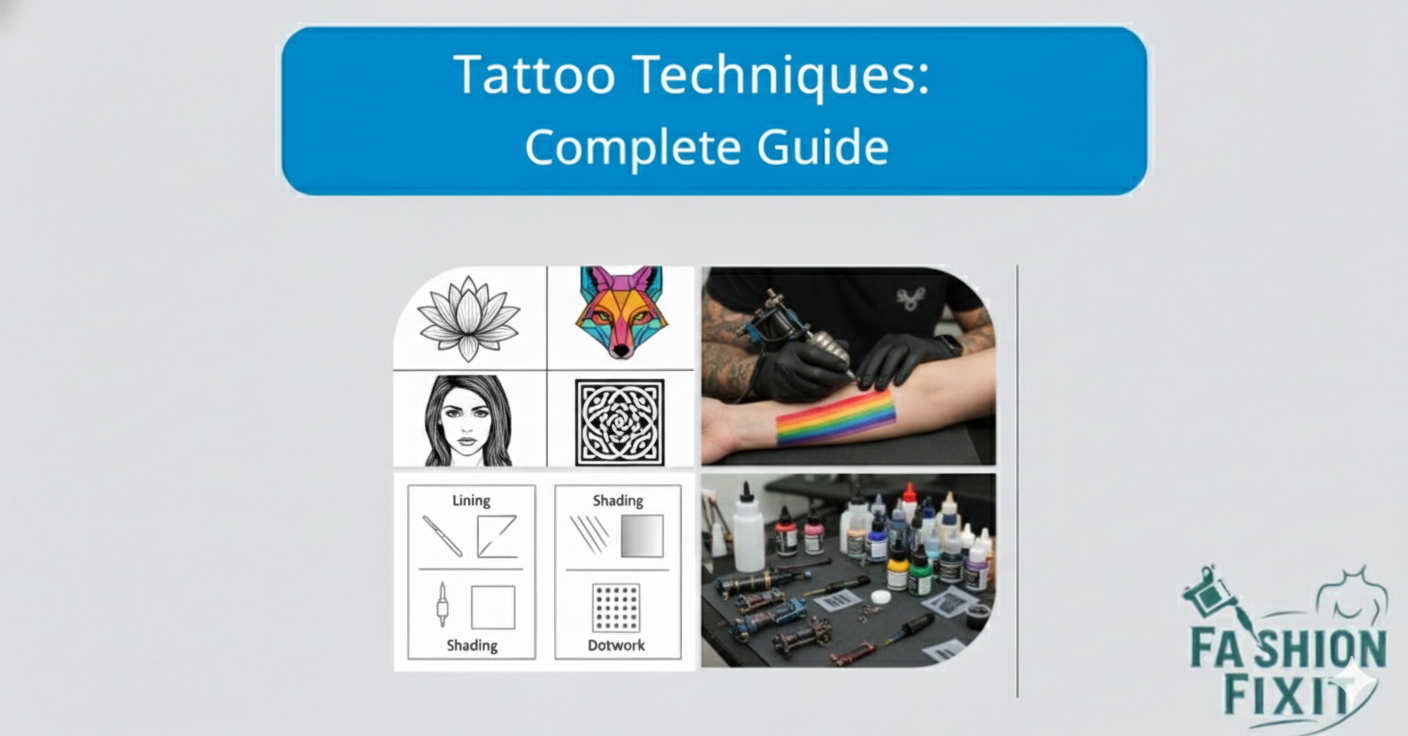
The types of tattoos by technique are machine tattooing, hand-poked tattooing, Tebori tattooing, dotwork tattooing, whip shading tattooing, fine line tattooing, blackout tattooing, cosmetic tattooing, UV ink tattooing, white ink tattooing and Amateur tattoos, each defined by how pigment is applied to skin rather than tattoo style, size, placement, or subject. Tattoo technique classification explains how tattoos are created.
Machine Tattooing
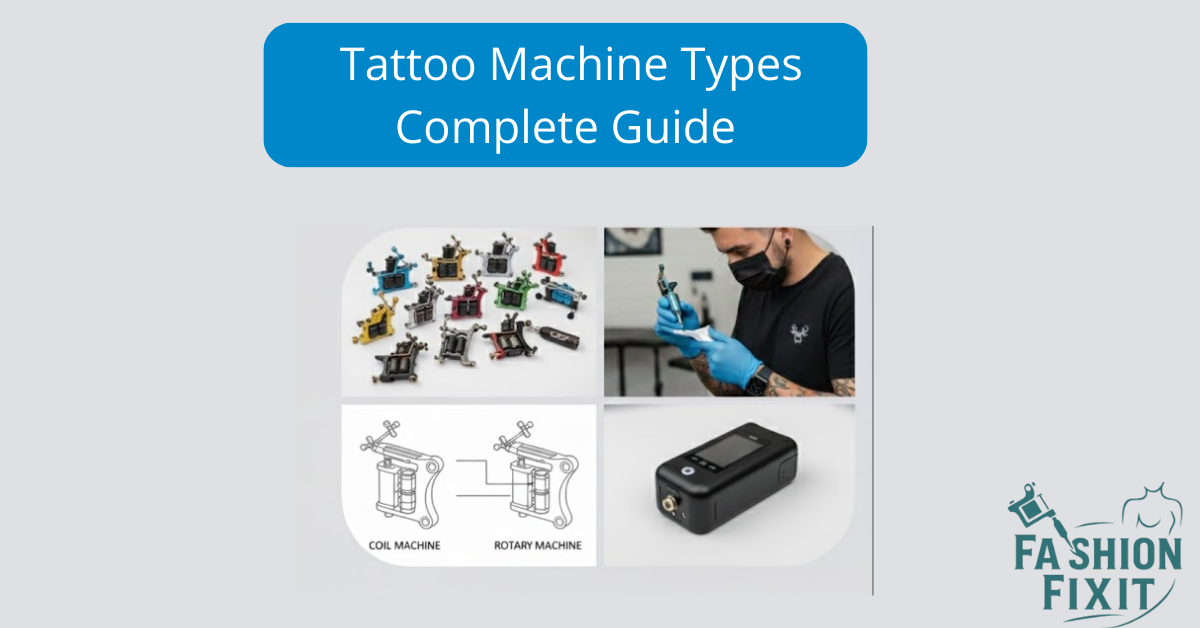
Machine tattooing applies ink using an electrically driven tattoo machine that moves needles vertically at controlled speed and depth. Machine tattooing supports lining, shading, and color packing across most modern tattoo designs.
Hand-Poked Tattooing
Hand-poked tattooing inserts ink manually using a single needle without electrical assistance. Hand-poked tattoo designs emphasize dot precision, slower execution, and organic line variation.
Stick and Poke Tattooing
Stick and poke tattooing uses repeated manual needle punctures to place ink into skin without machines. Stick and poke tattoo designs commonly feature simple symbols, dots, and minimal line structures.
Tebori Tattooing
Tebori tattooing is a traditional Japanese hand technique using a metal or bamboo rod to insert ink rhythmically. Tebori tattooing produces smooth gradients and dense pigment saturation through controlled manual motion.
Dotwork Tattooing
Dotwork tattooing builds images using individual ink dots placed in deliberate patterns. Dotwork tattoo technique controls shading and depth through dot density rather than continuous lines.
Whip Shading Tattooing
Whip shading tattooing creates gradient shading through quick, arcing needle motions. Whip shading tattoo technique produces soft transitions and textured shading without solid fills.
Fine Line Tattooing
Fine line tattooing uses tight needle groupings and low pressure to create thin, precise lines. Fine line tattoo technique supports minimal detail and reduced pigment spread.
Blackout Tattooing
Blackout tattooing saturates large skin areas with solid black ink using repeated passes. Blackout tattoo technique prioritizes uniform pigment density and full coverage.
Cosmetic Tattooing
Cosmetic tattooing implants pigment into facial skin for aesthetic enhancement. Cosmetic tattoo technique includes eyebrow tattooing, lip pigmentation, and eyeliner tattooing with shallow depth control.
UV Ink Tattooing
UV ink tattooing uses fluorescent pigments that react under ultraviolet light exposure. UV ink tattoo technique applies clear or lightly colored ink visible primarily under UV lighting.
White Ink Tattooing
White ink tattooing uses white pigment to create subtle designs or highlights. White ink tattoo technique produces low-contrast tattoos that fade faster than darker pigments.
Amateur Tattoos
Amateur tattoos are a type of tattoo done by untrained individuals from basic tools like needles, pins, razor blades, or homemade tattoo machines. These tattoos are commonly seen in people who used DIY craft, who are in prison, or tattoo enthusiasts that make tattoos impulsively without professional training or tools.
What are the Types of Tattoos by Cultural Origin?
The types of tattoos by cultural origin are Polynesian, Māori, Japanese, Native American, Celtic, Egyptian, African tribal, Hindu, Buddhist, Chinese, Norse, Mayan, Aztec, Thai Sak Yant, and Middle Eastern tattoos, each defined by historical geography, symbolic systems, ritual use, and inherited cultural practices. Cultural tattoo classification explains where tattoo traditions originate and how meaning is preserved.
Polynesian Tattoos
Polynesian tattoos originate from Pacific Island cultures and communicate ancestry, rank, and life milestones through structured geometric pattern systems. Polynesian tattoo elements include shark teeth, spearheads, waves, and banded line motifs arranged according to social hierarchy.
Māori Tattoos
Māori tattoos, known as Tā Moko, originate from Māori culture and encode genealogy, status, and personal identity using spirals and curved line structures. Māori tattoo placement follows facial and body contours to document lineage and achievements.
Japanese Tattoos
Japanese tattoos originate from Irezumi traditions and convey mythology, protection, and moral values through large narrative compositions. Japanese tattoo imagery includes koi fish, dragons, tigers, samurai, peonies, and chrysanthemums arranged in flowing panels.
Native American Tattoos
Native American tattoos originate from indigenous tribal traditions and express spiritual guidance, protection, and tribal affiliation. Native American tattoo subjects include eagles, feathers, spirit animals, and ceremonial symbols tied to ritual practice.
Celtic Tattoos
Celtic tattoos originate from ancient Celtic cultures and use interlaced knotwork to represent eternity, continuity, and interconnected existence. Celtic tattoo motifs include triquetras, spirals, crosses, and endless knot designs.
Egyptian Tattoos
Egyptian tattoos originate from ancient Egyptian civilization and symbolize divinity, protection, and the afterlife. Egyptian tattoo imagery includes ankhs, scarabs, Eye of Horus symbols, deities, and hieroglyphic elements.
African Tribal Tattoos
African tribal tattoos originate from diverse African societies and represent identity, rites of passage, and social roles through symbolic pattern systems. African tattoo designs vary by region, tribe, and ceremonial function.
Hindu Tattoos
Hindu tattoos originate from Hindu spiritual traditions and depict sacred symbols and deities associated with cosmic order and devotion. Hindu tattoo subjects include Om symbols, mandalas, Ganesha, Shiva, Vishnu, and Sanskrit inscriptions.
Buddhist Tattoos
Buddhist tattoos originate from Buddhist practice and emphasize enlightenment, mindfulness, and protection. Buddhist tattoo imagery includes Buddha figures, lotus flowers, dharma wheels, and sacred geometric forms.
Chinese Tattoos
Chinese tattoos originate from Chinese mythology and symbolic traditions centered on balance, strength, and harmony. Chinese tattoo subjects include dragons, phoenixes, calligraphy characters, yin–yang symbols, and guardian imagery.
Norse Tattoos
Norse tattoos originate from Scandinavian mythology and Viking traditions emphasizing fate, strength, and warrior identity. Norse tattoo imagery includes runes, Odin, Thor’s hammer, ravens, wolves, and mythological symbols.
Mayan Tattoos
Mayan tattoos originate from ancient Mesoamerican civilization and represent cosmology, power, and ceremonial belief systems. Mayan tattoo subjects include calendar glyphs, deities, and geometric ritual iconography.
Aztec Tattoos
Aztec tattoos originate from Aztec civilization and symbolize gods, sacrifice, and cosmic cycles. Aztec tattoo imagery includes sun stones, warrior symbols, and deity representations.
Thai Sak Yant Tattoos
Thai Sak Yant tattoos originate from Thai spiritual traditions and combine sacred geometry with ancient script to convey protection and blessings. Sak Yant tattoo designs include yantra patterns and ritual inscriptions applied through ceremonial practice.
Middle Eastern Tattoos
Middle Eastern tattoos originate from regional script and symbolic traditions emphasizing spirituality, protection, and identity. Middle Eastern tattoo imagery includes Arabic calligraphy, geometric patterns, and ancient protective symbols.
What are the Types of Tattoos by Gender Orientation (Social Preference)?
The types of tattoos by gender orientation or social preference are masculine-oriented tattoos, feminine-oriented tattoos, and gender-neutral tattoos, defined by commonly preferred visual traits, symbolism, and social expression patterns rather than biological sex or artistic quality. Tattoo gender orientation classification explains how tattoo choices align with social identity preferences.
Masculine-Oriented Tattoos
Masculine-oriented tattoos emphasize strength, dominance, resilience, and assertive identity through bold imagery and structure. Masculine-oriented tattoo subjects include lions, wolves, skulls, warriors, weapons, Norse symbols, large animals, tribal patterns, and heavy blackwork characterized by thick lines and high contrast.
Feminine-Oriented Tattoos
Feminine-oriented tattoos express elegance, emotion, growth, and personal narrative through refined imagery and fluid composition. Feminine-oriented tattoo subjects include flowers, butterflies, birds, celestial symbols, script lettering, ornamental designs, and fine-line artwork featuring soft curves and lighter shading.
Gender-Neutral Tattoos
Gender-neutral tattoos focus on universal themes, abstract meaning, and personal symbolism without alignment to gender-coded aesthetics. Gender-neutral tattoo subjects include geometric patterns, minimal symbols, abstract forms, nature elements, coordinates, dates, mandalas, and symbolic icons selected for meaning rather than social gender association.
What are the Types of Tattoos by Visibility?
The types of tattoos by visibility are always-visible tattoos, highly visible tattoos, moderately visible tattoos, conditionally visible tattoos, minimally visible tattoos, and fully concealed tattoos, classified by exposure frequency, clothing coverage, and social observability rather than tattoo style, size, or technique. Tattoo visibility explains how often tattoos appear in daily interaction.
Always-Visible Tattoos
Always-visible tattoos remain exposed regardless of clothing choice or setting. Always-visible tattoo placements include face tattoos, scalp tattoos, throat tattoos, and eye-area tattoos with continuous public observability.
Highly Visible Tattoos
Highly visible tattoos appear during most daily activities with standard clothing. Highly visible tattoo placements include hand tattoos, finger tattoos, knuckle tattoos, wrist tattoos, lower forearm tattoos, and side-neck tattoos.
Moderately Visible Tattoos
Moderately visible tattoos appear frequently but allow concealment with common clothing adjustments. Moderately visible tattoo placements include upper forearm tattoos, ankle tattoos, lower calf tattoos, collarbone tattoos, and shoulder cap tattoos.
Conditionally Visible Tattoos
Conditionally visible tattoos appear only under specific clothing styles, movement, or posture. Conditionally visible tattoo placements include upper arm tattoos, upper chest tattoos, back-of-neck tattoos, side rib tattoos, and upper thigh tattoos.
Minimally Visible Tattoos
Minimally visible tattoos remain hidden in most routine social situations. Minimally visible tattoo placements include hip tattoos, inner thigh tattoos, under-breast tattoos, inner upper arm tattoos, and lower stomach tattoos.
Fully Concealed Tattoos
Fully concealed tattoos remain hidden under standard daily clothing in nearly all environments. Fully concealed tattoo placements include full back tattoos, torso tattoos, pelvic-area tattoos, upper leg tattoos, and buttock tattoos.
Professionally Concealed Tattoos
Professionally concealed tattoos are intentionally placed to avoid visibility in formal or workplace settings. Professionally concealed tattoo placements include shoulder blade tattoos, rib cage tattoos, mid-back tattoos, and high-thigh tattoos.
Selectively Revealed Tattoos
Selectively revealed tattoos are designed for intentional exposure rather than incidental visibility. Selectively revealed tattoo placements include sternum tattoos, side torso tattoos, waist tattoos, and lower back tattoos.
What are the Types of Tattoos by Age / Life Stage?
The types of tattoos by age or life stage are early adulthood tattoos, identity formation tattoos, career-phase tattoos, transition tattoos, parenthood tattoos, recovery tattoos, legacy tattoos, and remembrance tattoos, each defined by life phase, psychological focus, and social transition rather than tattoo style or placement. Tattoo age-based classification explains when tattoos are chosen.
Early Adulthood Tattoos
Early adulthood tattoos mark entry into legal independence and personal autonomy. Early adulthood tattoo subjects include dates, initials, minimalist symbols, and first-achievement icons commonly chosen between ages 18 and 25.
Identity Formation Tattoos
Identity formation tattoos express personal values, beliefs, and self-definition during emerging adulthood. Identity formation tattoo subjects include symbols, animals, abstract forms, quotes, and cultural motifs associated with self-exploration.
Career-Phase Tattoos
Career-phase tattoos reflect stability, ambition, and long-term self-image during professional establishment. Career-phase tattoo subjects include geometric designs, subtle scripts, coordinates, and symbolic imagery selected for controlled visibility.
Transition Tattoos
Transition tattoos represent major life changes such as relocation, divorce, recovery, or personal transformation. Transition tattoo subjects include phoenix symbols, mandalas, cycles, dates, and abstract transition imagery.
Parenthood Tattoos
Parenthood tattoos commemorate childbirth, guardianship, and family bonds. Parenthood tattoo subjects include names, birth dates, footprints, heartbeat lines, birth flowers, zodiac symbols, and family trees.
Recovery Tattoos
Recovery tattoos mark survival, healing milestones, and resilience after physical or psychological trauma. Recovery tattoo subjects include dates, strength symbols, semicolons, scar-covering designs, and empowerment icons.
Legacy Tattoos
Legacy tattoos preserve personal philosophy, heritage, or life lessons accumulated over time. Legacy tattoo subjects include mottos, ancestral symbols, cultural scripts, crests, and meaningful emblems chosen later in life.
Remembrance Tattoos
Remembrance tattoos honor deceased individuals or closed life chapters. Remembrance tattoo subjects include names, dates, portraits, handwriting samples, symbolic animals, and memorial imagery.
What are the Types of Tattoos by Commitment Level?
The types of tattoos by commitment level are temporary tattoos, semi-permanent tattoos, low-commitment permanent tattoos, medium-commitment permanent tattoos, high-commitment permanent tattoos, and irreversible tattoos, classified by durability, removability complexity, visibility persistence, and long-term skin alteration rather than artistic style or theme. Tattoo commitment level explains how permanent the tattoo decision is.
Temporary Tattoos
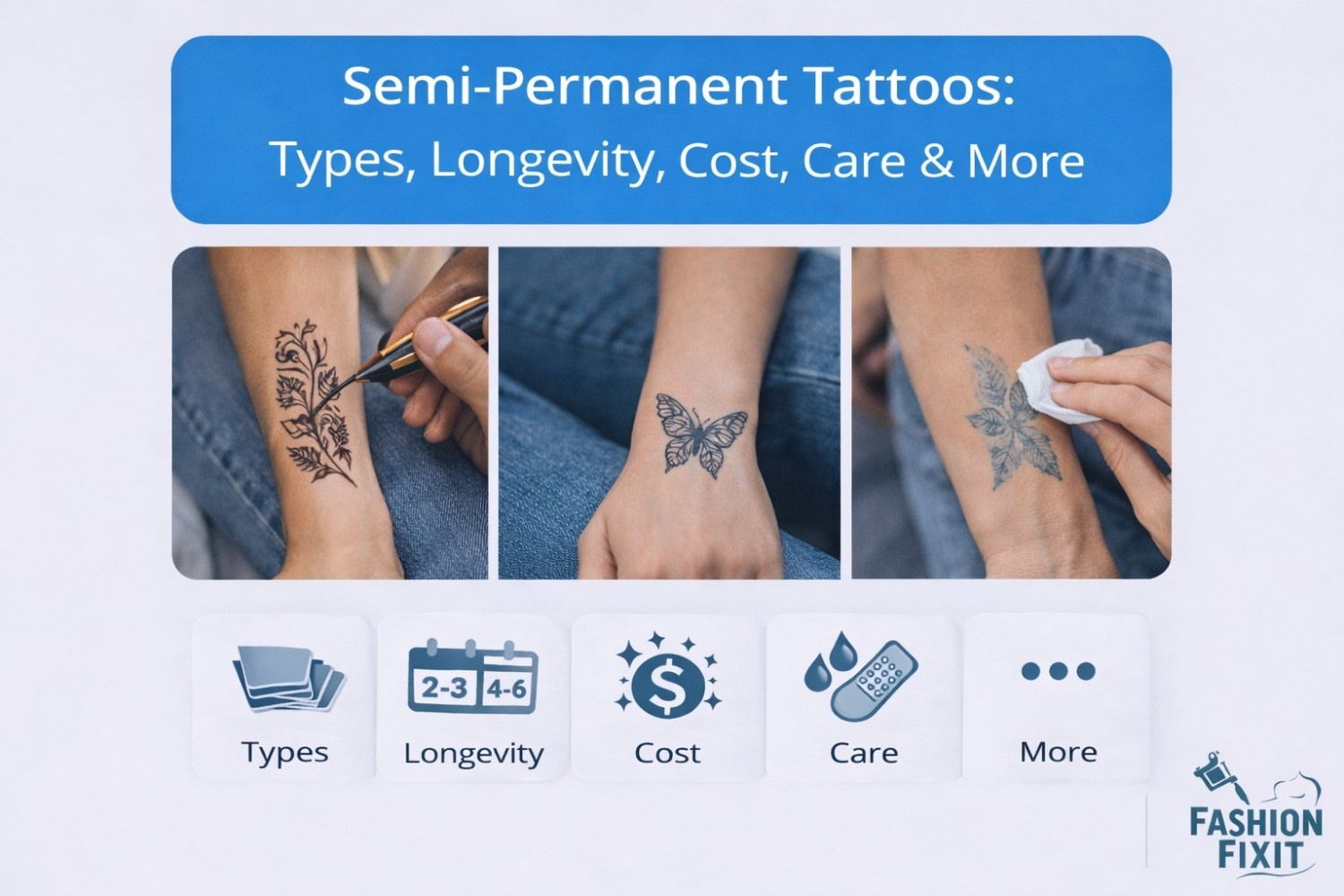
Temporary tattoos are non-permanent body markings that last between 1 and 14 days and do not penetrate the dermis layer. Temporary tattoo formats include water-transfer decals, cosmetic body inks, henna designs, and airbrush tattoos that fade through surface skin shedding.
Semi-Permanent Tattoos
Semi-permanent tattoos deposit pigment into superficial skin layers and fade within 6 to 36 months due to gradual pigment dispersion. Semi-permanent tattoo examples include cosmetic micropigmentation, fade-designed inks, and cosmetic brow or lip tattoos with controlled longevity.
Low-Commitment Permanent Tattoos
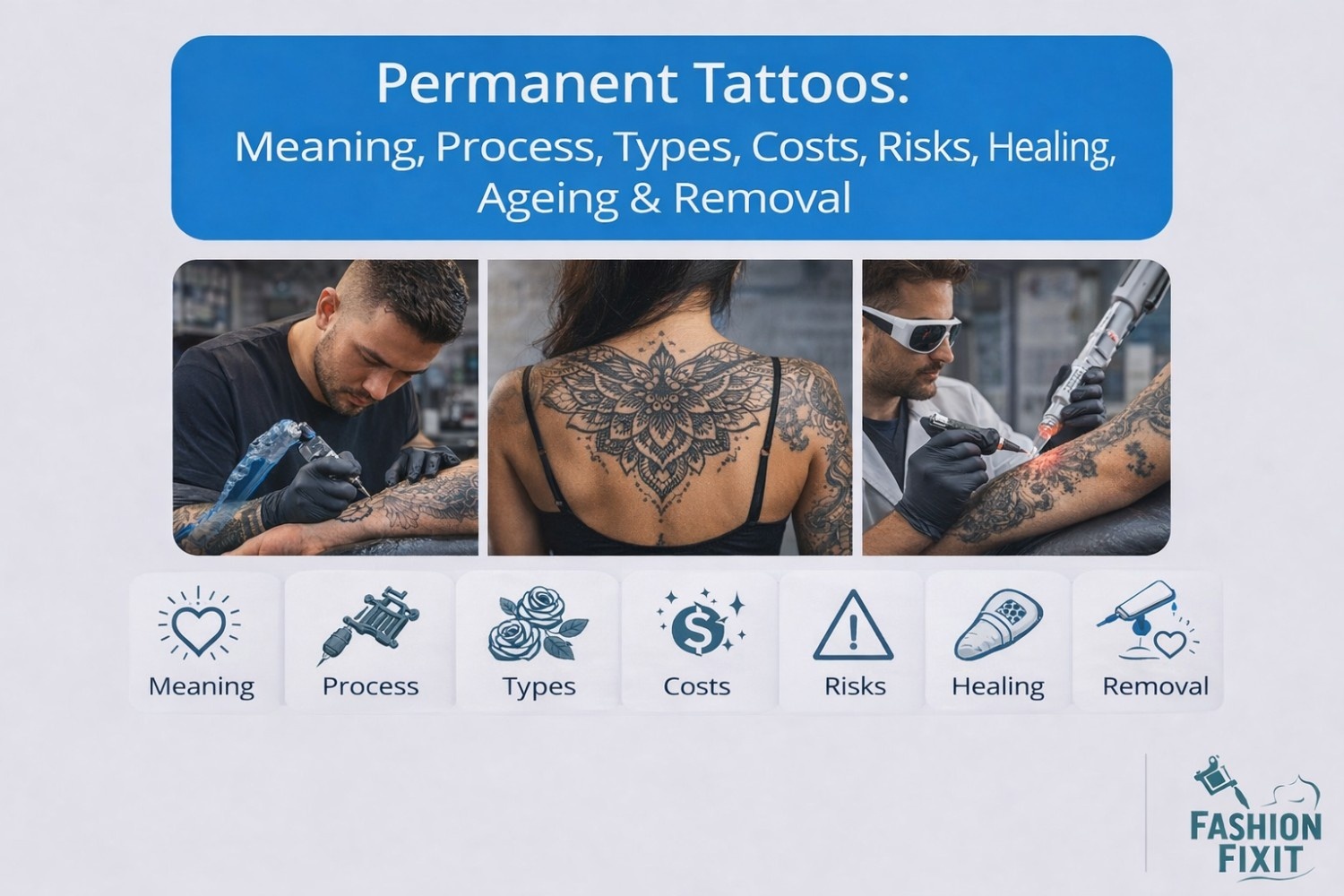
Low-commitment permanent tattoos are small, simple designs placed in easily concealable areas with higher laser removal success rates. Low-commitment tattoo characteristics include minimal ink density, fine linework, and placements such as inner arm, rib, ankle, or hip areas.
Medium-Commitment Permanent Tattoos
Medium-commitment permanent tattoos involve moderate size, balanced visibility, and layered pigment density with partial removal feasibility. Medium-commitment tattoo examples include forearm tattoos, upper-arm tattoos, calf tattoos, shoulder tattoos, and mid-sized illustrative designs.
High-Commitment Permanent Tattoos
High-commitment permanent tattoos feature large scale, high visibility, or dense ink saturation with complex removal difficulty. High-commitment tattoo examples include sleeves, chest tattoos, neck tattoos, large back pieces, and heavy color or blackwork compositions.
Irreversible Commitment Tattoos
Irreversible commitment tattoos involve extreme permanence due to placement, scale, or pigment saturation that significantly alters skin structure. Irreversible tattoo examples include face tattoos, scalp tattoos, blackout tattoos, full-torso tattoos, and full-body tattoo coverage.
What are the Types of Tattoos by Design Complexity?
The types of tattoos by design complexity are minimal tattoos, simple tattoos, moderately complex tattoos, highly complex tattoos, and ultra-complex tattoos, classified by visual detail density, line variation, shading layers, color count, and compositional structure rather than tattoo size, placement, or theme. Tattoo design complexity explains how intricate a tattoo design is.
Minimal Tattoos
Minimal tattoos consist of single-line or single-symbol designs with extremely low visual detail and limited ink usage. Minimal tattoo designs include dots, tiny icons, single letters, numbers, or basic geometric shapes executed with one needle grouping.
Simple Tattoos
Simple tattoos use clear outlines, limited detail, and minimal shading with low compositional layering. Simple tattoo designs include small symbols, basic florals, short words, outlines of animals, and uncomplicated line illustrations.
Moderately Complex Tattoos
Moderately complex tattoos combine multiple visual elements with controlled shading, line variation, and balanced composition. Moderately complex tattoo designs include flowers with shading, animals with texture detail, geometric patterns, and multi-symbol compositions.
Highly Complex Tattoos
Highly complex tattoos feature dense detail, multiple shading layers, varied line weights, and expanded color usage. Highly complex tattoo designs include realism portraits, large illustrative scenes, biomechanical imagery, and detailed mythological compositions.
Ultra-Complex Tattoos
Ultra-complex tattoos involve extreme detail density, advanced shading techniques, extensive color layering, and multi-session execution. Ultra-complex tattoo designs include hyperrealism portraits, full sleeves, full back pieces, large narrative scenes, and full-body compositions.
What are the Types of Tattoos by Layout / Structure?
The types of tattoos by layout or structure are single-motif tattoos, linear tattoos, symmetrical tattoos, asymmetrical tattoos, band tattoos, wrap-around tattoos, panel tattoos, layered tattoos, negative-space tattoos, continuous-flow tattoos, modular tattoos, and full-composition tattoos, classified by spatial arrangement, visual balance, and structural organization on the body rather than theme or technique. Tattoo layout explains how tattoo elements are arranged.
Single-Motif Tattoos
Single-motif tattoos consist of one central visual element arranged as a standalone composition. Single-motif tattoo layouts include single symbols, icons, animals, flowers, or emblems placed without supporting elements.
Linear Tattoos
Linear tattoos follow a straight or gently curved line structure aligned with body anatomy. Linear tattoo layouts include spine tattoos, script lines, coordinates, arrows, vertical text, and minimalist line designs.
Symmetrical Tattoos
Symmetrical tattoos arrange visual elements evenly on both sides of a central axis. Symmetrical tattoo layouts include mandalas, chest pieces, sternum tattoos, mirrored animals, and balanced geometric compositions.
Asymmetrical Tattoos
Asymmetrical tattoos distribute visual elements unevenly to create dynamic balance. Asymmetrical tattoo layouts include shoulder-to-arm designs, diagonal compositions, and free-form illustrative structures.
Band Tattoos
Band tattoos form continuous horizontal or circular layouts around a limb or body section. Band tattoo layouts include armbands, wristbands, ankle bands, and geometric wrap bands.
Wrap-Around Tattoos
Wrap-around tattoos curve around body parts to create three-dimensional visual flow. Wrap-around tattoo layouts include arm wraps, leg wraps, rib wraps, and torso-encompassing designs.
Panel Tattoos
Panel tattoos divide designs into defined sections or frames. Panel tattoo layouts include Japanese-style background panels, framed illustrations, and segmented narrative blocks.
Layered Tattoos
Layered tattoos stack multiple visual elements with depth and overlap. Layered tattoo layouts include foreground–background compositions, overlapping symbols, and depth-based illustrative designs.
Negative-Space Tattoos
Negative-space tattoos use untreated skin as an intentional design element. Negative-space tattoo layouts include cut-out shapes, reversed symbols, and contrast-based geometric patterns.
Continuous-Flow Tattoos
Continuous-flow tattoos connect elements seamlessly across body contours. Continuous-flow tattoo layouts include sleeves, large back pieces, and full-torso designs without visible breaks.
Modular Tattoos
Modular tattoos consist of separate elements designed to function individually or as a collective system. Modular tattoo layouts include patchwork tattoos, incremental sleeves, and symbol collections added over time.
Full-Composition Tattoos
Full-composition tattoos integrate multiple elements into a unified, complete visual structure. Full-composition tattoo layouts include full sleeves, full backs, bodysuits, and large narrative scenes.
What are the Types of Tattoos by Text Type?
The types of tattoos by text type are single-word tattoos, phrase tattoos, quote tattoos, name tattoos, date tattoos, coordinate tattoos, numeral tattoos, script tattoos, calligraphy tattoos, typographic tattoos, handwriting tattoos, and symbolic text tattoos, classified by linguistic structure and textual function rather than style, size, or placement. Text type explains how language appears in tattoo form.
Single-Word Tattoos
Single-word tattoos present one lexical unit to convey a focused meaning. Single-word tattoo examples include nouns, verbs, or adjectives such as strength terms, virtues, or identity labels selected for semantic precision.
Phrase Tattoos
Phrase tattoos display short multi-word expressions with condensed meaning. Phrase tattoo examples include mottos, affirmations, and concise statements structured for readability and balance.
Quote Tattoos
Quote tattoos reproduce complete sentences sourced from literature, speech, or personal writing. Quote tattoo examples include literary lines, spoken statements, and authored excerpts presented verbatim.
Name Tattoos
Name tattoos present proper nouns to signify personal connection or identification. Name tattoo examples include given names, surnames, nicknames, and familial identifiers rendered as standalone text.
Date Tattoos
Date tattoos encode specific calendar points to mark events or milestones. Date tattoo examples include birth dates, anniversaries, memorial dates, and achievement timestamps formatted numerically.
Coordinate Tattoos
Coordinate tattoos display geographic latitude and longitude as text. Coordinate tattoo examples include birthplace locations, event sites, and meaningful destinations written in numeric notation.
Numeral Tattoos
Numeral tattoos use numbers as the primary textual content. Numeral tattoo examples include Roman numerals, Arabic numerals, and symbolic number sequences representing age, order, or significance.
Script Tattoos
Script tattoos use cursive letterforms to present textual content with fluid strokes. Script tattoo examples include names, phrases, and short quotes written in connected handwriting styles.
Calligraphy Tattoos
Calligraphy tattoos apply formal lettering systems with controlled stroke contrast and structure. Calligraphy tattoo examples include ornamental scripts, traditional alphabets, and stylized written forms.
Typographic Tattoos
Typographic tattoos use designed typefaces with consistent letter geometry. Typographic tattoo examples include serif fonts, sans-serif fonts, monospace styles, and custom typography layouts.
Handwriting Tattoos
Handwriting tattoos reproduce personal handwritten text. Handwriting tattoo examples include signatures, letters, notes, and written phrases copied from original handwriting samples.
Symbolic Text Tattoos
Symbolic text tattoos combine language with coded meaning. Symbolic text tattoo examples include initials, acronyms, abbreviated words, and single letters representing expanded concepts.
What are the Types of Tattoos by Motion / Effect?
The types of tattoos by motion or effect are static tattoos, dynamic illusion tattoos, optical motion tattoos, depth-effect tattoos, light-reactive tattoos, perspective-shift tattoos, texture-effect tattoos, and transformation tattoos, classified by perceived movement, visual illusion, and sensory response rather than theme, size, or placement. Motion or effect explains how a tattoo visually behaves.
Static Tattoos
Static tattoos present a fixed visual appearance without perceived movement or optical change. Static tattoo designs include linework, solid fills, and flat illustrations that remain visually constant from all viewing angles.
Dynamic Illusion Tattoos
Dynamic illusion tattoos create the impression of movement through directional lines, gradients, and repeated forms. Dynamic illusion tattoo designs include flowing hair, flames, waves, and motion lines arranged to guide eye movement.
Optical Motion Tattoos
Optical motion tattoos generate perceived motion through geometric repetition and contrast manipulation. Optical motion tattoo designs include Op Art patterns, vibrating lines, and high-frequency shapes that appear to shift during viewing.
Depth-Effect Tattoos
Depth-effect tattoos simulate three-dimensional space using shading, perspective, and highlight control. Depth-effect tattoo designs include 3D objects, shadow casting, and layered elements creating spatial realism.
Light-Reactive Tattoos
Light-reactive tattoos change appearance under specific lighting conditions. Light-reactive tattoo designs include ultraviolet-reactive ink tattoos that appear muted in daylight and luminous under UV light.
Perspective-Shift Tattoos
Perspective-shift tattoos alter appearance based on viewing angle or body movement. Perspective-shift tattoo designs include anamorphic imagery and body-contour-aligned graphics that visually transform with posture.
Texture-Effect Tattoos
Texture-effect tattoos simulate tactile surfaces through detailed shading and pattern density. Texture-effect tattoo designs include skin, metal, stone, fabric, and organic textures rendered through micro-detailing.
Transformation Tattoos
Transformation tattoos depict visual change within a single composition. Transformation tattoo designs include morphing imagery, before-and-after sequences, and transitional forms showing evolution or motion stages.
What are the Types of Tattoos by Inspiration Source?
The types of tattoos by inspiration source are personal-experience tattoos, nature-inspired tattoos, art-inspired tattoos, literature-inspired tattoos, music-inspired tattoos, mythology-inspired tattoos, religion-inspired tattoos, culture-inspired tattoos, travel-inspired tattoos, science-inspired tattoos, and memory-inspired tattoos, classified by the origin of creative influence rather than tattoo style, size, or placement. Tattoo inspiration source explains where tattoo ideas originate.
Personal-Experience Tattoos
Personal-experience tattoos derive inspiration from individual life events, emotions, or turning points. Personal-experience tattoo inspirations include recovery milestones, achievements, losses, transformations, and defining personal moments translated into symbols or imagery.
Nature-Inspired Tattoos
Nature-inspired tattoos draw influence from natural elements and environmental forms. Nature-inspired tattoo sources include animals, plants, landscapes, oceans, mountains, weather patterns, and celestial bodies.
Art-Inspired Tattoos
Art-inspired tattoos originate from visual art disciplines and artistic movements. Art-inspired tattoo sources include paintings, sculptures, sketches, illustration styles, surrealism, realism, abstract art, and classical or modern art references.
Literature-Inspired Tattoos
Literature-inspired tattoos take influence from written works and literary expression. Literature-inspired tattoo sources include novels, poems, philosophical texts, quotes, fictional characters, and narrative symbolism.
Music-Inspired Tattoos
Music-inspired tattoos derive inspiration from musical works and sound-related expression. Music-inspired tattoo sources include song lyrics, album art, musical notes, instruments, composers, and emotional associations with music.
Mythology-Inspired Tattoos
Mythology-inspired tattoos originate from mythological stories and legendary figures. Mythology-inspired tattoo sources include gods, heroes, creatures, and symbolic narratives from ancient myth systems.
Religion-Inspired Tattoos
Religion-inspired tattoos draw inspiration from organized belief systems and sacred traditions. Religion-inspired tattoo sources include deities, scriptures, sacred symbols, rituals, and religious iconography.
Culture-Inspired Tattoos
Culture-inspired tattoos originate from shared cultural practices, heritage, and social identity. Culture-inspired tattoo sources include traditional patterns, ancestral symbols, folklore elements, and regional visual languages.
Travel-Inspired Tattoos
Travel-inspired tattoos derive inspiration from places, journeys, and geographic experiences. Travel-inspired tattoo sources include landmarks, maps, coordinates, architecture, landscapes, and cultural impressions from travel.
Science-Inspired Tattoos
Science-inspired tattoos take influence from scientific knowledge and discovery. Science-inspired tattoo sources include anatomy, astronomy, mathematics, chemistry symbols, physics concepts, and scientific diagrams.
Memory-Inspired Tattoos
Memory-inspired tattoos originate from recollection and remembrance. Memory-inspired tattoo sources include memorial imagery, dates, handwriting, objects, and symbols tied to specific memories or people.
What are the Types of Tattoos by Healing / Aging Behaviour?
The types of tattoos by healing and aging behaviour are fast-healing tattoos, standard-healing tattoos, slow-healing tattoos, stable-aging tattoos, moderate-aging tattoos, and high-aging tattoos, classified by skin recovery speed, pigment stability, line retention, and long-term visual change rather than style, theme, or placement. Tattoo healing and aging behaviour explains how tattoos change over time.
Fast-Healing Tattoos
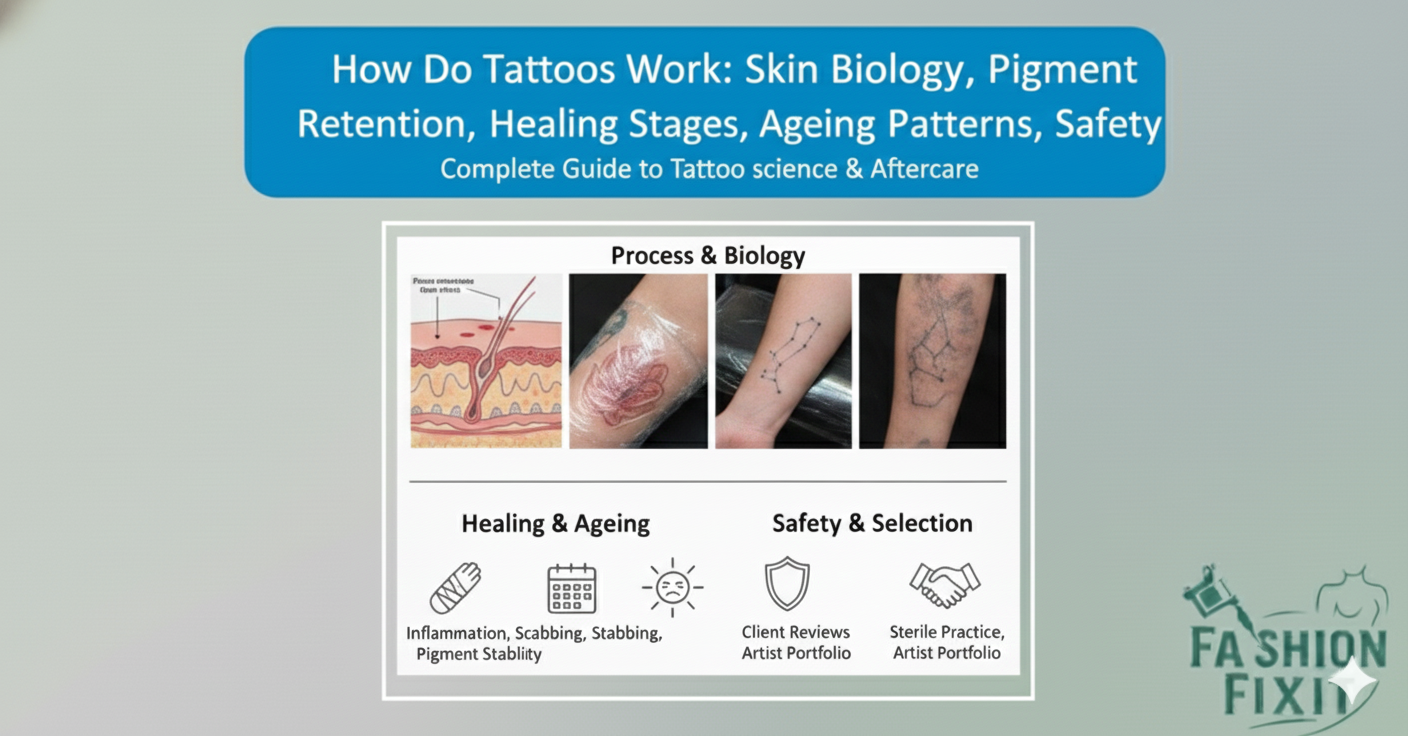
Fast-healing tattoos recover within 7 to 14 days and show minimal inflammation or scabbing. Fast-healing tattoo characteristics include light linework, low pigment density, minimal shading, and shallow dermal placement commonly seen in fine-line and minimalist tattoos.
Standard-Healing Tattoos
Standard-healing tattoos complete surface healing within 14 to 21 days with predictable scab formation and pigment retention. Standard-healing tattoo designs include traditional tattoos, moderate shading tattoos, and balanced color tattoos applied at consistent dermal depth.
Slow-Healing Tattoos
Slow-healing tattoos require more than 21 days for surface recovery due to dense pigment or repeated needle passes. Slow-healing tattoo characteristics include heavy color packing, large blackwork areas, extensive shading, and multi-session designs causing prolonged skin trauma.
Stable-Aging Tattoos
Stable-aging tattoos maintain line clarity and color integrity for 10 years or more with minimal visual degradation. Stable-aging tattoo features include bold outlines, high-contrast designs, solid black ink, and traditional tattoo structures resistant to pigment diffusion.
Moderate-Aging Tattoos
Moderate-aging tattoos experience gradual line softening and color fading over 5 to 10 years. Moderate-aging tattoo behaviour appears in color tattoos, medium-line tattoos, and designs with blended shading where pigment disperses slowly.
High-Aging Tattoos
High-aging tattoos show noticeable blurring, fading, or loss of detail within 3 to 5 years. High-aging tattoo characteristics include fine-line tattoos, micro tattoos, light-colored ink tattoos, and designs with minimal negative space.
Blowout-Prone Tattoos
Blowout-prone tattoos exhibit early pigment spread due to deep needle penetration or thin skin areas. Blowout-prone tattoo behaviour appears near joints, wrists, ankles, and soft tissue zones where ink migration occurs faster.
Sun-Sensitive Aging Tattoos
Sun-sensitive aging tattoos degrade faster under ultraviolet exposure through pigment breakdown. Sun-sensitive tattoo characteristics include red, yellow, and pastel inks exposed on frequently uncovered skin areas.
Scar-Interaction Tattoos
Scar-interaction tattoos heal and age unpredictably due to altered skin structure. Scar-interaction tattoo behaviour includes uneven pigment uptake, texture change, and variable fading over time.
What are the Types of Tattoos by Pain Level?
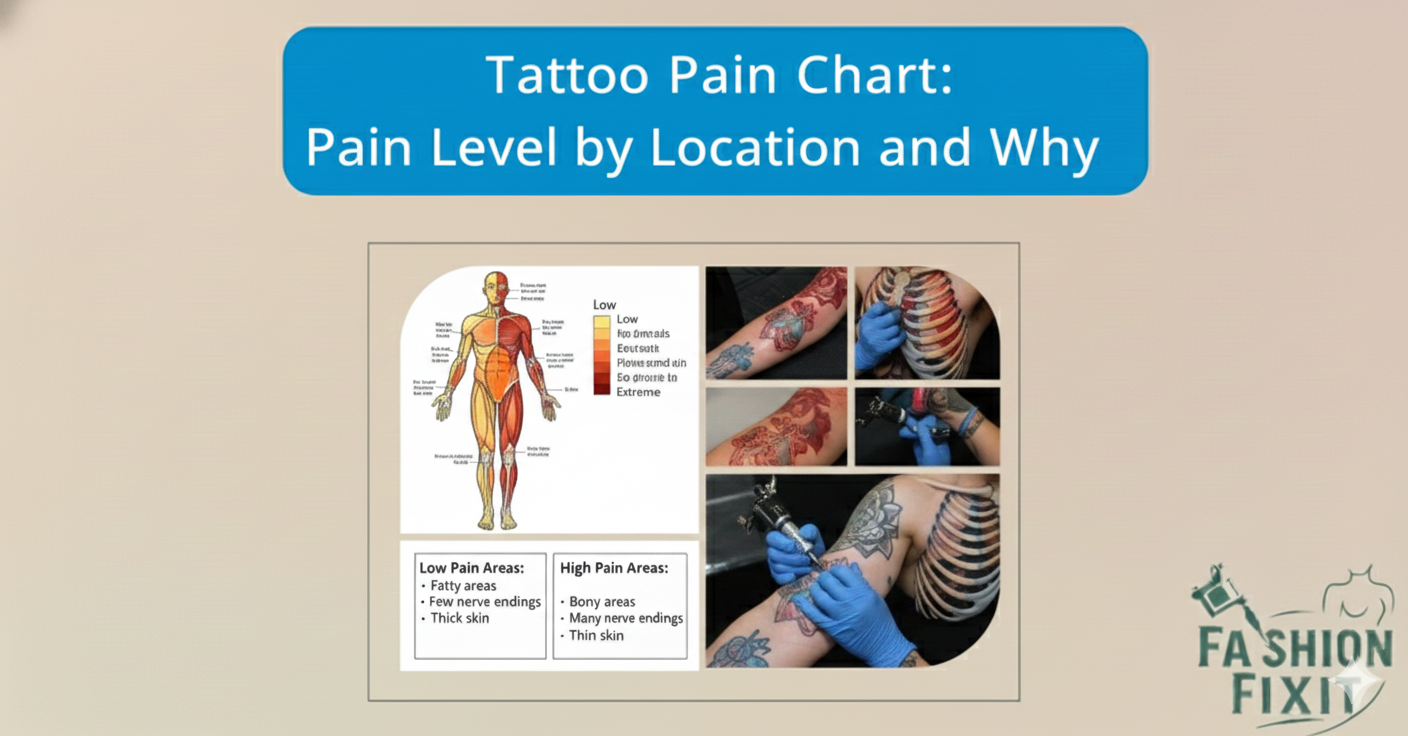
The types of tattoos by pain level are low-pain tattoos, low-to-moderate pain tattoos, moderate-pain tattoos, high-pain tattoos, and extreme-pain tattoos, classified by nerve density, skin thickness, bone proximity, and session duration rather than tattoo style, theme, or technique. Tattoo pain level explains how tattooing feels during application.
Low-Pain Tattoos
Low-pain tattoos occur on body areas with thick muscle tissue, high fat content, and low nerve concentration. Low-pain tattoo placements include outer upper arm, shoulder, calf, buttock, and thigh areas where needle vibration disperses across soft tissue.
Low-to-Moderate Pain Tattoos
Low-to-moderate pain tattoos occur on areas with moderate muscle coverage and limited bone exposure. Low-to-moderate pain tattoo placements include forearm, upper back, shoulder blade, and outer chest areas with balanced nerve distribution.
Moderate-Pain Tattoos
Moderate-pain tattoos occur on areas with thinner skin or increased nerve sensitivity. Moderate-pain tattoo placements include inner arm, collarbone, sternum, ankle, and back of the calf where vibration contacts bone intermittently.
High-Pain Tattoos
High-pain tattoos occur on areas with thin skin, dense nerve endings, and close bone proximity. High-pain tattoo placements include ribs, spine, hip bone, neck, knee, shin, and top of the foot where nerve response intensifies.
Extreme-Pain Tattoos
Extreme-pain tattoos occur on areas with minimal cushioning, maximum nerve density, and constant movement. Extreme-pain tattoo placements include face, scalp, throat, armpit, groin, inner thigh, palm, fingers, and soles of the feet.
What are the Types of Tattoos by Professional Use?
The types of tattoos by professional use are decorative tattoos, cosmetic tattoos, medical tattoos, corrective tattoos, occupational tattoos, identification tattoos, and performance-related tattoos, classified by functional purpose within professional, clinical, or work-related contexts rather than artistic style or personal theme. Professional-use tattoo classification explains why tattoos are applied for functional outcomes.
Decorative Tattoos
Decorative tattoos serve visual and branding functions within creative professions. Decorative tattoo use appears in fashion, art, music, and entertainment roles where body art supports professional image and audience recognition.
Cosmetic Tattoos
Cosmetic tattoos place pigment for aesthetic enhancement or feature restoration using micropigmentation methods. Cosmetic tattoo use includes eyebrow enhancement, lip coloration, scalp micropigmentation, and eyeliner application performed by trained practitioners.
Medical Tattoos
Medical tattoos provide clinical reference points or treatment guidance on skin. Medical tattoo use includes radiation alignment markers, surgical mapping dots, and medical alert tattoos applied under healthcare protocols.
Corrective Tattoos
Corrective tattoos normalize skin appearance through pigment blending and tone matching. Corrective tattoo use includes scar camouflage, vitiligo blending, areola reconstruction, and burn-scar correction performed by specialized practitioners.
Occupational Tattoos
Occupational tattoos indicate professional affiliation, service history, or role identity. Occupational tattoo use includes military insignia, unit symbols, service dates, and profession-related emblems representing career association.
Identification Tattoos
Identification tattoos provide permanent personal or institutional identifiers. Identification tattoo use includes numeric identifiers or symbols applied historically in controlled settings or voluntarily for personal identification needs.
Performance-Related Tattoos
Performance-related tattoos support recognition, character continuity, or role differentiation in performance settings. Performance-related tattoo use includes character markings for acting roles, stage identifiers, and sport-related symbols for public recognition.
What are the Types of Tattoos by Line Quality?
The types of tattoos by line quality are ultra-fine line tattoos, fine line tattoos, medium line tattoos, bold line tattoos, variable line tattoos, textured line tattoos, and broken line tattoos, classified by stroke thickness, edge clarity, pressure consistency, and long-term line stability rather than tattoo theme or placement. Line quality explains how tattoo lines appear and age.
Ultra-Fine Line Tattoos
Ultra-fine line tattoos use extremely thin needle groupings to create delicate strokes with minimal ink saturation. Ultra-fine line tattoo characteristics include micro-detail execution, light visual weight, and higher long-term blur risk due to pigment dispersion.
Fine Line Tattoos
Fine line tattoos use thin, controlled strokes that balance precision and visibility. Fine line tattoo characteristics include clean outlines, minimal shading integration, and moderate aging stability when spacing remains adequate.
Medium Line Tattoos
Medium line tattoos use balanced stroke thickness that supports clarity and durability. Medium line tattoo characteristics include consistent edge definition, stable pigment retention, and adaptability across symbols, text, and illustrative designs.
Bold Line Tattoos
Bold line tattoos use thick, high-contrast strokes with dense pigment packing. Bold line tattoo characteristics include strong edge permanence, high visibility, and superior aging performance due to reduced line spread perception.
Variable Line Tattoos
Variable line tattoos combine multiple stroke weights within a single design. Variable line tattoo characteristics include dynamic emphasis, visual hierarchy, and controlled contrast through intentional line-weight transitions.
Textured Line Tattoos
Textured line tattoos use irregular or grain-influenced strokes to simulate organic surfaces. Textured line tattoo characteristics include hand-drawn appearance, visual softness, and intentional edge variation.
Broken Line Tattoos
Broken line tattoos use interrupted or dashed strokes to form imagery through negative spacing. Broken line tattoo characteristics include minimalist structure, reduced ink density, and reliance on spacing accuracy for long-term legibility.
What are the Types of Tattoos by Ink Density?
The types of tattoos by ink density are ultra-light ink tattoos, light ink tattoos, medium ink tattoos, high ink tattoos, solid-fill tattoos, and saturation-heavy tattoos, classified by pigment concentration, needle pass frequency, and dermal load rather than tattoo style, subject, or placement. Ink density explains how much pigment resides in skin.
Ultra-Light Ink Tattoos
Ultra-light ink tattoos contain minimal pigment with sparse needle passes and low saturation. Ultra-light ink tattoo examples include micro tattoos, ultra-fine line designs, single-needle symbols, and minimalist outlines with high fade susceptibility.
Light Ink Tattoos
Light ink tattoos use controlled pigment amounts with limited shading and low fill density. Light ink tattoo examples include fine-line florals, small script tattoos, outline-only illustrations, and soft pastel designs.
Medium Ink Tattoos
Medium ink tattoos balance pigment load with moderate shading and consistent line fill. Medium ink tattoo examples include traditional outlines with light color fills, illustrative designs, and geometric patterns with stable long-term clarity.
High Ink Tattoos
High ink tattoos apply dense pigment through repeated needle passes and layered shading. High ink tattoo examples include realism shading, color-packed imagery, dark gradients, and detailed illustrative compositions.
Solid-Fill Tattoos
Solid-fill tattoos saturate skin areas uniformly with continuous pigment coverage. Solid-fill tattoo examples include blackwork shapes, color blocks, tribal fills, and background panels requiring consistent dermal saturation.
Saturation-Heavy Tattoos
Saturation-heavy tattoos maximize pigment concentration across large areas with extensive needle repetition. Saturation-heavy tattoo examples include blackout tattoos, heavy color packing, full sleeves, and full-back coverage with minimal negative space.
What are the Types of Tattoos by Shading Style?
The types of tattoos by shading style are flat shading tattoos, soft shading tattoos, gradient shading tattoos, whip shading tattoos, dotwork shading tattoos, stipple shading tattoos, black-and-grey shading tattoos, color realism shading tattoos, negative-space shading tattoos, and texture shading tattoos, classified by light transition method, depth simulation, and pigment dispersion rather than tattoo theme or placement. Shading style explains how depth and dimension are created.
Flat Shading Tattoos
Flat shading tattoos apply uniform pigment without tonal variation to create solid visual blocks. Flat shading tattoo usage appears in traditional tattoos, graphic designs, and symbolic imagery where clarity and contrast dominate.
Soft Shading Tattoos
Soft shading tattoos use low-pressure needle movement to create smooth tonal transitions without harsh edges. Soft shading tattoo usage appears in portraits, floral tattoos, and organic forms requiring gentle depth.
Gradient Shading Tattoos
Gradient shading tattoos transition pigment gradually from dark to light across a defined area. Gradient shading tattoo usage appears in realism tattoos, large-scale compositions, and three-dimensional imagery.
Whip Shading Tattoos
Whip shading tattoos create texture and fade using quick arcing needle motions. Whip shading tattoo usage appears in illustrative tattoos, sketch-style designs, and dynamic shading effects.
Dotwork Shading Tattoos
Dotwork shading tattoos build tonal depth using clustered ink dots rather than continuous strokes. Dotwork shading tattoo usage appears in geometric tattoos, mandalas, and sacred geometry designs.
Stipple Shading Tattoos
Stipple shading tattoos use evenly spaced dots to control light and shadow intensity. Stipple shading tattoo usage appears in fine-art tattoos, portraits, and controlled texture rendering.
Black-and-Grey Shading Tattoos
Black-and-grey shading tattoos rely on diluted black ink to produce tonal variation and realism. Black-and-grey shading tattoo usage appears in portrait tattoos, realism scenes, and dramatic compositions.
Color Realism Shading Tattoos
Color realism shading tattoos layer multiple hues to simulate natural light behavior and surface texture. Color realism shading tattoo usage appears in lifelike portraits, animals, and object renderings.
Negative-Space Shading Tattoos
Negative-space shading tattoos use untreated skin to define highlights and contrast. Negative-space shading tattoo usage appears in blackwork tattoos, lettering, and geometric compositions.
Texture Shading Tattoos
Texture shading tattoos simulate tactile surfaces through controlled micro-shading patterns. Texture shading tattoo usage appears in metal, skin, fabric, stone, and organic surface representations.
What are the Types of Tattoos by Surface Coverage?
The types of tattoos by surface coverage are spot tattoos, partial-area tattoos, section tattoos, extended-area tattoos, full-area tattoos, and total-coverage tattoos, classified by the proportion of skin surface covered by tattoo pigment rather than tattoo style, meaning, or technique. Surface coverage explains how much of the body a tattoo occupies.
Spot Tattoos
Spot tattoos cover very small, localized skin areas with a single focal point. Spot tattoo coverage includes dots, micro symbols, single icons, and minimal marks confined to a few square centimeters of skin.
Partial-Area Tattoos
Partial-area tattoos cover a limited portion of a specific body area without spanning the full anatomical section. Partial-area tattoo coverage includes small forearm tattoos, shoulder cap tattoos, ankle tattoos, and localized chest or calf designs.
Section Tattoos
Section tattoos cover an entire defined body section without extending beyond anatomical boundaries. Section tattoo coverage includes full forearm tattoos, full thigh tattoos, full shoulder tattoos, and isolated back-panel tattoos.
Extended-Area Tattoos
Extended-area tattoos span multiple connected body sections while maintaining a continuous visual flow. Extended-area tattoo coverage includes half sleeves, three-quarter sleeves, rib-to-hip designs, and shoulder-to-chest compositions.
Full-Area Tattoos
Full-area tattoos cover an entire major body region in a single integrated design. Full-area tattoo coverage includes full sleeves, full back tattoos, full leg tattoos, and full chest tattoos with unified composition.
Total-Coverage Tattoos
Total-coverage tattoos extend across most or all of the body surface with minimal untreated skin. Total-coverage tattoo coverage includes bodysuits, near-complete blackout designs, and multi-region tattoos forming continuous full-body artwork.
What are the Types of Tattoos by Orientation?
The types of tattoos by orientation are vertical tattoos, horizontal tattoos, diagonal tattoos, radial tattoos, circular tattoos, anatomical-flow tattoos, mirrored tattoos, and multi-directional tattoos, classified by directional alignment and reading flow relative to body anatomy rather than tattoo style, theme, or placement. Tattoo orientation explains how a tattoo is aligned on the body.
Vertical Tattoos
Vertical tattoos align design elements along the top-to-bottom axis of the body. Vertical tattoo orientation appears in spine tattoos, vertical scripts, symbols, daggers, arrows, and elongated motifs following natural body length.
Horizontal Tattoos
Horizontal tattoos align design elements along the left-to-right axis of the body. Horizontal tattoo orientation appears in collarbone tattoos, chest scripts, wrist text, banner designs, and band-style compositions.
Diagonal Tattoos
Diagonal tattoos align design elements at an angled axis across the body. Diagonal tattoo orientation appears in shoulder-to-arm designs, rib tattoos, thigh tattoos, and dynamic compositions emphasizing movement.
Radial Tattoos
Radial tattoos orient design elements outward from a central focal point. Radial tattoo orientation appears in mandalas, sun motifs, chest-centered designs, and joint-focused tattoos around knees, elbows, or shoulders.
Circular Tattoos
Circular tattoos orient design elements in a closed loop or ring structure. Circular tattoo orientation appears in armbands, wristbands, ankle bands, halo designs, and cyclic symbols representing continuity.
Anatomical-Flow Tattoos
Anatomical-flow tattoos follow muscle lines, bone structure, and natural body curvature. Anatomical-flow tattoo orientation appears in sleeves, large back pieces, rib tattoos, and biomechanical designs aligned to body movement.
Mirrored Tattoos
Mirrored tattoos use symmetrical orientation across two body sides. Mirrored tattoo orientation appears in paired chest tattoos, shoulder tattoos, matching arm designs, and bilateral imagery.
Multi-Directional Tattoos
Multi-directional tattoos combine more than one orientation within a single composition. Multi-directional tattoo orientation appears in complex scenes, patchwork tattoos, and layered designs readable from multiple angles.
What are the Types of Tattoos by Time Investment?
The types of tattoos by time investment are micro-session tattoos, short-session tattoos, medium-session tattoos, long-session tattoos, multi-session tattoos, and long-term project tattoos, classified by total tattooing duration, session length, cumulative hours, and recovery intervals rather than tattoo style, theme, or placement. Tattoo time investment explains how long tattoo creation requires.
Micro-Session Tattoos
Micro-session tattoos require less than 30 minutes of active tattooing time. Micro-session tattoo examples include dots, initials, micro symbols, tiny text, and single-line icons completed in one sitting.
Short-Session Tattoos
Short-session tattoos require 30 minutes to 2 hours of tattooing time. Short-session tattoo examples include small script tattoos, minimalist florals, outline-only designs, and compact geometric patterns.
Medium-Session Tattoos
Medium-session tattoos require 2 to 5 hours of continuous tattooing time. Medium-session tattoo examples include shaded florals, animals, mandalas, and medium-detail illustrative compositions.
Long-Session Tattoos
Long-session tattoos require 5 to 8 hours of tattooing time within a single sitting. Long-session tattoo examples include half sleeves, chest panels, large thigh tattoos, and dense color or shading work.
Multi-Session Tattoos
Multi-session tattoos require multiple appointments totaling 10 to 30 tattooing hours. Multi-session tattoo examples include full sleeves, full back tattoos, realism portraits, biomechanical designs, and large narrative scenes.
Long-Term Project Tattoos
Long-term project tattoos require extended execution over months or years with cumulative tattooing time exceeding 30 hours. Long-term project tattoo examples include bodysuits, full-leg sleeves, blackout tattoos, and evolving multi-region tattoo compositions.
What are the Types of Tattoos by Layering?
The types of tattoos by layering are single-layer tattoos, two-layer tattoos, multi-layer tattoos, overlay tattoos, rework-layer tattoos, and cumulative-layer tattoos, classified by the number of ink strata, pass sequencing, depth management, and visual stacking rather than tattoo style, theme, or placement. Tattoo layering explains how ink is built over time.
Single-Layer Tattoos
Single-layer tattoos are created with one ink pass and one visual stratum without overlap. Single-layer tattoo examples include outlines, minimal symbols, simple script, and flat designs executed in a single session.
Two-Layer Tattoos
Two-layer tattoos combine a base layer and a secondary layer for contrast or emphasis. Two-layer tattoo examples include outline-plus-shading designs, linework with highlights, and basic color fills added after lining.
Multi-Layer Tattoos
Multi-layer tattoos use three or more ink strata to create depth, texture, and tonal complexity. Multi-layer tattoo examples include realism portraits, detailed animals, florals with depth, and illustrative scenes built through staged passes.
Overlay Tattoos
Overlay tattoos place new ink directly over existing tattoo work to alter appearance or add detail. Overlay tattoo examples include color overlays on black-and-grey work, highlight additions, and stylistic upgrades applied after healing.
Rework-Layer Tattoos
Rework-layer tattoos modify earlier tattoos through corrective layering without full coverage. Rework-layer tattoo examples include line refinement, shading correction, contrast enhancement, and partial redesigns preserving original structure.
Cumulative-Layer Tattoos
Cumulative-layer tattoos develop through repeated additions over months or years. Cumulative-layer tattoo examples include patchwork sleeves, evolving narratives, memory-based additions, and long-term body projects expanded incrementally.
What are the Types of Tattoos by Emotional Tone?
The types of tattoos by emotional tone are celebratory tattoos, expressive tattoos, reflective tattoos, empowering tattoos, melancholic tattoos, memorial tattoos, spiritual tattoos, protective tattoos, cathartic tattoos, and neutral tattoos, classified by the dominant emotional signal conveyed through imagery, symbolism, and composition rather than style, size, or placement. Emotional tone explains how a tattoo feels.
Celebratory Tattoos
Celebratory tattoos express joy, achievement, and positive milestones. Celebratory tattoo subjects include dates, trophies, graduation symbols, birth events, travel markers, and success icons signaling accomplishment.
Expressive Tattoos
Expressive tattoos communicate emotions openly through visual language. Expressive tattoo subjects include hearts, abstract color fields, facial expressions, lyric fragments, and symbolic gestures conveying feeling states.
Reflective Tattoos
Reflective tattoos convey contemplation, balance, and personal insight. Reflective tattoo subjects include mandalas, nature cycles, quotes on growth, minimal geometry, and time-related symbols.
Empowering Tattoos
Empowering tattoos signal strength, resilience, and self-efficacy. Empowering tattoo subjects include animals of power, warrior symbols, affirmations, runes, and iconography associated with endurance.
Melancholic Tattoos
Melancholic tattoos express sorrow, longing, or quiet introspection. Melancholic tattoo subjects include rain motifs, broken forms, fading florals, solitary figures, and subdued monochrome imagery.
Memorial Tattoos
Memorial tattoos communicate remembrance and loss. Memorial tattoo subjects include names, dates, portraits, handwriting, candles, and symbolic animals tied to memory.
Spiritual Tattoos
Spiritual tattoos convey reverence, faith, and transcendence. Spiritual tattoo subjects include sacred geometry, deities, prayer symbols, chakras, and enlightenment motifs.
Protective Tattoos
Protective tattoos signal safety, guardianship, and warding intent. Protective tattoo subjects include eyes, talismans, shields, guardian animals, and geometric protection patterns.
Cathartic Tattoos
Cathartic tattoos express release after hardship or recovery. Cathartic tattoo subjects include phoenix imagery, breaking chains, recovery dates, scars transformed into symbols, and transition marks.
Neutral Tattoos
Neutral tattoos present minimal emotional charge and focus on form or data. Neutral tattoo subjects include coordinates, numbers, simple shapes, technical diagrams, and typographic marks.
What are the Types of Tattoos by Energy / Vibe?
The types of tattoos by energy or vibe are soft tattoos, bold tattoos, intense tattoos, minimal tattoos, loud tattoos, and subtle tattoos, classified by visual force, contrast intensity, compositional density, and emotional presence rather than tattoo style, placement, or subject. Tattoo energy describes how strongly a tattoo asserts itself visually and emotionally.
Soft Tattoos
Soft tattoos express calm and gentleness through low contrast, light line weight, and smooth tonal transitions. Soft tattoo characteristics include fine-line execution, pastel or diluted ink tones, organic shapes, and minimal shading that produce a low-impact visual presence.
Bold Tattoos
Bold tattoos project confidence and strength through thick outlines, high contrast, and decisive form structure. Bold tattoo characteristics include heavy linework, solid color fills, strong symmetry, and clear shapes designed for long-term visibility and dominance.
Intense Tattoos
Intense tattoos convey high emotional or visual force through dense detail, dark saturation, and dramatic contrast. Intense tattoo characteristics include heavy blackwork, compressed spacing, sharp edges, layered shading, and high ink density creating strong visual pressure.
Minimal Tattoos
Minimal tattoos communicate restraint and clarity through reduced elements and controlled simplicity. Minimal tattoo characteristics include limited line count, reliance on negative space, small-scale execution, and absence of decorative complexity.
Loud Tattoos
Loud tattoos demand immediate attention through vivid color, large scale, and high visual activity. Loud tattoo characteristics include bright palettes, multiple focal points, layered imagery, and expansive surface coverage producing maximum visual presence.
Subtle Tattoos
Subtle tattoos communicate meaning quietly through understated design and low visual dominance. Subtle tattoo characteristics include muted tones, fine lines, discreet compositional balance, and symbolic simplicity visible primarily at close range.
What are the Types of Tattoos by Trend Status?
The types of tattoos by trend status are timeless tattoos, classic tattoos, contemporary tattoos, trending tattoos, peak-trend tattoos, declining-trend tattoos, revived tattoos, and niche tattoos, classified by cultural adoption cycle, longevity of popularity, and recurrence pattern rather than tattoo style, placement, or technique. Tattoo trend status explains how tattoos perform over time in public preference.
Timeless Tattoos
Timeless tattoos maintain consistent popularity across multiple decades without significant decline. Timeless tattoo examples include traditional symbols, classic animals, religious icons, script names, and simple linework that remain culturally stable.
Classic Tattoos
Classic tattoos achieve long-term acceptance after initial popularity peaks. Classic tattoo examples include American traditional designs, black-and-grey portraits, roses, skulls, anchors, and nautical imagery with sustained relevance.
Contemporary Tattoos
Contemporary tattoos reflect current design language without extreme trend volatility. Contemporary tattoo examples include fine-line illustrations, geometric compositions, minimalist florals, and modern typography aligned with present aesthetics.
Trending Tattoos
Trending tattoos experience rapid growth in popularity within a short time window. Trending tattoo examples include micro tattoos, minimalist symbols, astrology signs, single-word tattoos, and social-media-influenced designs.
Peak-Trend Tattoos
Peak-trend tattoos reach maximum popularity saturation within a limited timeframe. Peak-trend tattoo examples include watercolor tattoos, infinity symbols, dreamcatchers, and specific pop-culture references at their height of adoption.
Declining-Trend Tattoos
Declining-trend tattoos show reduced adoption following peak popularity. Declining-trend tattoo examples include dated motifs, overused symbols, and once-viral designs experiencing cultural fatigue.
Revived Tattoos
Revived tattoos regain popularity after a period of reduced interest. Revived tattoo examples include tribal reinterpretations, retro flash designs, vintage typography, and re-emerging traditional aesthetics.
Niche Tattoos
Niche tattoos maintain limited but dedicated popularity within specific communities. Niche tattoo examples include technical diagrams, obscure symbolism, subculture references, and specialized thematic designs.
What are the Types of Tattoos by Personalisation Level?
The types of tattoos by personalisation level are generic tattoos, semi-personalised tattoos, personalised tattoos, highly personalised tattoos, bespoke tattoos, and identity-specific tattoos, classified by uniqueness, custom input, symbolic exclusivity, and individual relevance rather than tattoo style, size, or placement. Tattoo personalisation level explains how uniquely a tattoo relates to one individual.
Generic Tattoos
Generic tattoos use widely shared designs with no individual modification. Generic tattoo examples include common symbols, flash designs, popular icons, and standard motifs reproduced with identical or near-identical structure across many people.
Semi-Personalised Tattoos
Semi-personalised tattoos adapt existing designs with minor individual changes. Semi-personalised tattoo examples include altered colors, resized motifs, added dates, initials, or small compositional adjustments applied to common designs.
Personalised Tattoos
Personalised tattoos are custom-designed to reflect individual meaning or preference. Personalised tattoo examples include unique symbol combinations, custom text, tailored imagery, and designs created specifically for one person.
Highly Personalised Tattoos
Highly personalised tattoos encode personal history, emotions, or life events through layered symbolism. Highly personalised tattoo examples include milestone timelines, recovery markers, family representations, and narrative-based compositions unique to the wearer.
Bespoke Tattoos
Bespoke tattoos are fully custom artworks designed from concept to execution for a single individual. Bespoke tattoo examples include one-of-one designs created through artist collaboration, original sketches, and exclusive composition with no replication.
Identity-Specific Tattoos
Identity-specific tattoos permanently express core personal identity or lived experience. Identity-specific tattoo examples include cultural lineage markers, memorial handwriting, scars transformed into art, coordinates of formative locations, and defining life symbols.
What are the Types of Tattoos by Maintenance Level?
The types of tattoos by maintenance level are low-maintenance tattoos, moderate-maintenance tattoos, high-maintenance tattoos, refresh-required tattoos, correction-prone tattoos, and intensive-maintenance tattoos, classified by aftercare demand, fade rate, touch-up frequency, and long-term upkeep rather than tattoo style, theme, or placement. Tattoo maintenance level explains how much ongoing care a tattoo requires.
Low-Maintenance Tattoos
Low-maintenance tattoos retain clarity and contrast with minimal long-term intervention. Low-maintenance tattoo characteristics include bold linework, solid black ink, high contrast designs, and placements with limited sun exposure, resulting in slow fading and infrequent touch-ups.
Moderate-Maintenance Tattoos
Moderate-maintenance tattoos require periodic care to preserve definition and color balance. Moderate-maintenance tattoo characteristics include medium line weight, balanced shading, limited color palettes, and placements exposed intermittently to sunlight.
High-Maintenance Tattoos
High-maintenance tattoos demand regular care to prevent noticeable fading or blur. High-maintenance tattoo characteristics include fine-line work, light shading, pastel colors, and frequent sun exposure, increasing the need for aftercare and monitoring.
Refresh-Required Tattoos
Refresh-required tattoos need scheduled touch-ups to maintain original appearance. Refresh-required tattoo characteristics include cosmetic tattoos, light ink saturation, soft gradients, and designs intended to fade gradually over time.
Correction-Prone Tattoos
Correction-prone tattoos are susceptible to visual degradation that may require adjustment. Correction-prone tattoo characteristics include dense saturation, placement on high-movement skin, or uneven pigment uptake leading to blowouts, patchiness, or distortion.
Intensive-Maintenance Tattoos
Intensive-maintenance tattoos require ongoing protection and repeated professional intervention. Intensive-maintenance tattoo characteristics include ultraviolet-reactive inks, large color fields, blackout work, and tattoos on sun-exposed or high-friction areas requiring frequent touch-ups.
What are the Types of Tattoos by Tattoo Lifecycle?
The types of tattoos by tattoo lifecycle are fresh tattoos, healing-phase tattoos, settled tattoos, matured tattoos, aging tattoos, refreshed tattoos, altered tattoos, and retired tattoos, classified by biological skin response, pigment behavior, and visual change over time rather than tattoo style, theme, or placement. Tattoo lifecycle explains how tattoos evolve from creation to long-term state.
Fresh Tattoos
Fresh tattoos represent the immediate post-application stage characterized by open skin response and high pigment visibility. Fresh tattoo features include redness, swelling, plasma weeping, and maximum color intensity during the first 48 to 72 hours.
Healing-Phase Tattoos
Healing-phase tattoos undergo epidermal repair and scab formation while pigment stabilizes in the dermis. Healing-phase tattoo duration spans 7 to 21 days with flaking, itching, and gradual surface normalization.
Settled Tattoos
Settled tattoos appear after full surface healing when pigment clarity stabilizes and skin texture normalizes. Settled tattoo features include reduced brightness, even tone distribution, and consistent line definition typically visible after 4 to 8 weeks.
Matured Tattoos
Matured tattoos represent the long-term stable phase with predictable appearance and minimal short-term change. Matured tattoo characteristics include steady contrast, controlled pigment dispersion, and visual consistency maintained over several years.
Aging Tattoos
Aging tattoos show gradual visual changes due to pigment diffusion, ultraviolet exposure, and skin aging. Aging tattoo indicators include line softening, color fading, contrast reduction, and minor blur developing over 5 to 15 years.
Refreshed Tattoos
Refreshed tattoos undergo professional touch-ups to restore contrast, color depth, or line clarity. Refreshed tattoo features include reinforced outlines, recolored fills, and corrected shading following pigment loss.
Altered Tattoos
Altered tattoos change form through intentional modification such as rework, overlay, or cover-up. Altered tattoo outcomes include design expansion, stylistic updates, partial concealment, or complete visual transformation.
Retired Tattoos
Retired tattoos represent the final lifecycle stage where tattoos are intentionally removed or rendered non-visible. Retired tattoo processes include laser fading, laser removal, or complete blackout coverage eliminating original design recognition.
What are the Types of Tattoos by Historical Era?
The types of tattoos by historical era are ancient-era tattoos, classical-era tattoos, medieval-era tattoos, early modern-era tattoos, industrial-era tattoos, modern-era tattoos, late modern tattoos, and contemporary tattoos, each defined by historical context, cultural function, technique availability, and symbolic use over time. Tattoo historical era classification explains when tattoo practices emerged and evolved.
Ancient-Era Tattoos
Ancient-era tattoos originate from prehistoric and early civilizations where tattooing served ritual, medicinal, or identity functions. Ancient tattoo evidence includes Ötzi the Iceman tattoos dated circa 3300 BCE, Egyptian tattoos linked to fertility and protection, and Nubian and Siberian cultural markings.
Classical-Era Tattoos
Classical-era tattoos appear in Greek and Roman societies where tattoos marked punishment, ownership, or military affiliation. Classical tattoo usage included branding enslaved individuals, identifying soldiers, and denoting criminal status through symbolic marks.
Medieval-Era Tattoos
Medieval-era tattoos functioned as religious devotion markers and pilgrimage records. Medieval tattoo practices included Christian pilgrimage tattoos, crusader symbols, and devotional marks applied to signify faith and protection.
Early Modern-Era Tattoos
Early modern-era tattoos expanded through global exploration and cross-cultural contact. Early modern tattoo adoption occurred among sailors and explorers influenced by Polynesian tatau traditions encountered during 16th to 18th century voyages.
Industrial-Era Tattoos
Industrial-era tattoos grew with mechanization and urbanization, introducing electric tattoo tools and mass adoption. Industrial tattoo development accelerated after the electric tattoo machine invention in 1891, enabling standardized linework and repeatable designs.
Modern-Era Tattoos
Modern-era tattoos normalized tattooing as personal expression rather than social stigma. Modern tattoo culture expanded during the mid-20th century through military service, counterculture movements, and professional tattoo studios.
Late Modern Tattoos
Late modern tattoos diversified stylistically through globalization and media influence. Late modern tattoo trends include realism, tribal revivals, biomechanical designs, and cross-cultural symbolism popularized during late 20th century globalization.
Contemporary Tattoos
Contemporary tattoos integrate advanced technology, diverse aesthetics, and individual narrative focus. Contemporary tattoo practices include fine-line work, cosmetic tattooing, hyperrealism, and digital design collaboration reflecting current artistic integration.
What are the Types of Tattoos by Colour?
The types of tattoos by colour are black ink tattoos, black-and-grey tattoos, limited-colour tattoos, full-colour tattoos, monochromatic tattoos, pastel-colour tattoos, high-saturation colour tattoos, white ink tattoos, ultraviolet ink tattoos, and mixed-colour tattoos, classified by pigment palette, saturation level, contrast behaviour, and long-term colour stability. Tattoo colour classification explains how pigment colour is applied and perceived.
Black Ink Tattoos
Black ink tattoos use only black pigment to form outlines, fills, and high-contrast imagery. Black ink tattoo designs include linework, lettering, tribal patterns, symbols, and graphic compositions with the highest long-term clarity and aging stability.
Black-and-Grey Tattoos
Black-and-grey tattoos use diluted black ink to create tonal gradients from light grey to deep black. Black-and-grey tattoo designs include portraits, realism scenes, shading-focused imagery, and depth-driven compositions.
Limited-Colour Tattoos
Limited-colour tattoos use two or three colour pigments combined with black ink for controlled emphasis. Limited-colour tattoo designs include traditional tattoos, accent-based imagery, and symbolic elements using colours such as red, blue, or green.
Full-Colour Tattoos
Full-colour tattoos use a wide spectrum of pigments to create multi-hued, layered compositions. Full-colour tattoo designs include realism scenes, illustrative artwork, fantasy imagery, and narrative tattoos requiring complex colour interaction.
Monochromatic Tattoos
Monochromatic tattoos use a single colour hue with tonal variation for unified visual identity. Monochromatic tattoo designs include red-ink tattoos, blue-ink tattoos, green-ink tattoos, and single-hue symbolic imagery.
Pastel-Colour Tattoos
Pastel-colour tattoos use low-saturation pigments to produce soft and muted visual appearance. Pastel-colour tattoo designs include fine-line florals, minimalist illustrations, and delicate imagery with increased fade sensitivity.
High-Saturation Colour Tattoos
High-saturation colour tattoos apply dense pigment loads to achieve maximum brightness and intensity. High-saturation colour tattoo designs include new-school tattoos, bold illustrative work, and graphic compositions with strong colour dominance.
White Ink Tattoos
White ink tattoos use white pigment to create subtle, low-contrast designs or highlight details. White ink tattoo designs include minimalist symbols, accent highlights, and understated imagery with reduced long-term visibility.
Ultraviolet Ink Tattoos
Ultraviolet ink tattoos use pigments that react under ultraviolet light exposure. Ultraviolet ink tattoo designs include hidden symbols and accent elements visible primarily in UV-lit environments.
Mixed-Colour Tattoos
Mixed-colour tattoos combine black, grey, and multiple colour pigments within a single design. Mixed-colour tattoo designs balance structure, shading, and colour emphasis across different visual zones.
What are the Types of Tattoos by Generation?
The types of tattoos by generation are Generation Z tattoos, Millennial tattoos, Generation X tattoos, Baby Boomer tattoos, and Silent Generation tattoos, classified by generational identity, cultural exposure period, social norms, and dominant self-expression patterns rather than tattoo style alone. Tattoo generation classification explains when and why tattoo preferences formed.
Generation Z Tattoos
Generation Z tattoos emphasize individuality, flexibility, and visual minimalism shaped by digital culture and social platforms. Generation Z tattoo preferences include fine-line tattoos, micro tattoos, abstract symbols, astrology signs, short text tattoos, and trend-responsive designs with low commitment and high adaptability.
Millennial Tattoos
Millennial tattoos focus on personal meaning, life milestones, and self-narrative shaped by globalization and early social media influence. Millennial tattoo preferences include script tattoos, geometric tattoos, minimalist florals, symbolic imagery, coordinates, and commemorative tattoos balancing meaning and aesthetics.
Generation X Tattoos
Generation X tattoos emphasize identity, rebellion, and long-term symbolism influenced by counterculture and early mainstream tattoo acceptance. Generation X tattoo preferences include tribal tattoos, traditional tattoos, bold blackwork, band tattoos, and icon-driven imagery reflecting permanence and independence.
Baby Boomer Tattoos
Baby Boomer tattoos prioritize remembrance, legacy, and symbolic meaning shaped by historical stigma and later-life acceptance. Baby Boomer tattoo preferences include memorial tattoos, religious tattoos, cultural symbols, names, dates, and conservative placements reflecting deliberate commitment.
Silent Generation Tattoos
Silent Generation tattoos reflect historical necessity, service identity, or medical function rather than aesthetic expression. Silent Generation tattoo types include military tattoos, identification tattoos, religious symbols, and medical tattoos applied during periods of limited social acceptance.
How to Choose the Best Tattoo Type as per Your Needs?
The best tattoo type is selected by aligning tattoo purpose, visibility preference, pain tolerance, maintenance capacity, commitment level, and long-term aging behaviour into a single, consistent decision structure matched to lifestyle and skin response. We determine tattoo suitability through structured criteria.
Tattoo Purpose Alignment
Tattoo purpose determines the correct tattoo category before any design decision. Symbolic intent aligns with meaning-based tattoos, commemorative intent aligns with memorial tattoos, aesthetic intent aligns with decorative tattoos, and functional intent aligns with cosmetic or medical tattoos.
Visibility Preference Control
Visibility preference defines tattoo placement, scale, and social exposure. Low-visibility preference aligns with concealed or conditionally visible tattoos, while high-visibility tolerance aligns with forearm, wrist, hand, or neck tattoos.
Pain Capacity Assessment
Pain capacity limits viable body areas and session duration. Low pain capacity aligns with low-pain placements and short-session tattoos, while high pain capacity supports ribs, spine, dense shading, and extended tattoo sessions.
Maintenance Capacity Evaluation
Maintenance capacity governs ink density, colour selection, and line quality. Low-maintenance capacity aligns with black ink tattoos, bold line tattoos, and high-contrast designs, while high-maintenance capacity supports fine-line tattoos, pastel colours, and colour-saturated tattoos.
Commitment Level Determination
Commitment level defines permanence, scale, and reversibility exposure. Low commitment aligns with temporary, semi-permanent, or small concealed tattoos, while high commitment aligns with large-scale, highly visible, or irreversible tattoo projects.
Aging Behaviour Consideration
Aging behaviour predicts long-term clarity, contrast retention, and visual stability. Stable-aging tattoos with bold structure, adequate spacing, and strategic placement preserve definition under skin movement and ultraviolet exposure.
Lifestyle Compatibility Matching
Lifestyle compatibility ensures long-term practicality and relevance. High sun exposure, physical activity, and professional constraints align with durable, low-maintenance tattoos placed in controlled-visibility areas.
Conclusion
Tattoo choice works best when visual preference, physical impact, and long-term behaviour are evaluated together rather than in isolation. Style, colour, shading, line quality, ink density, and layout determine appearance, while placement, visibility, pain level, time investment, and surface coverage define physical experience. Meaning, cultural origin, emotional tone, energy, generation, and life stage shape symbolism and relevance. Maintenance demand, aging behaviour, commitment level, and lifestyle exposure determine durability over time. Tattoos that align purpose, visibility tolerance, skin behaviour, and care capacity retain clarity and personal relevance longer than trend-driven decisions. A well-chosen tattoo balances expression with practicality, ensuring the design remains intentional, readable, and meaningful across the full tattoo lifecycle.